




Unisom vs. Melatonin: How These Sleep Aids Compare
It’s 1 a.m. Your alarm is set, and your brain is still wide awake. You’re staring at Unisom and melatonin. Here’s the quick comparison. Unisom SleepTabs use doxylamine, a sedating antihistamine, and melatonin supplements support the body’s nighttime timing signal. Neither choice fits every person or every rough night.
What matters most is why you’re awake. Check the active ingredient, your other medicines, your health history, and how sharp you need to feel tomorrow.
If sleep trouble keeps showing up, bring in a healthcare professional instead of starting another round of bedtime guesswork. That ingredient-level difference sounds tiny at 1 a.m., yet it changes the whole comparison.
Key Takeaways: Unisom vs. Melatonin
- Unisom SleepTabs and melatonin serve different purposes. Doxylamine is a sedating antihistamine for occasional sleeplessness. Melatonin supports circadian timing, so neither option is universally better.
- Check the active ingredient because Unisom SleepTabs contain doxylamine, and Unisom SleepGels contain diphenhydramine.
- Ask a clinician or pharmacist before combining Unisom and melatonin because the SleepTabs label says to ask before use with another sleep aid or sedative.
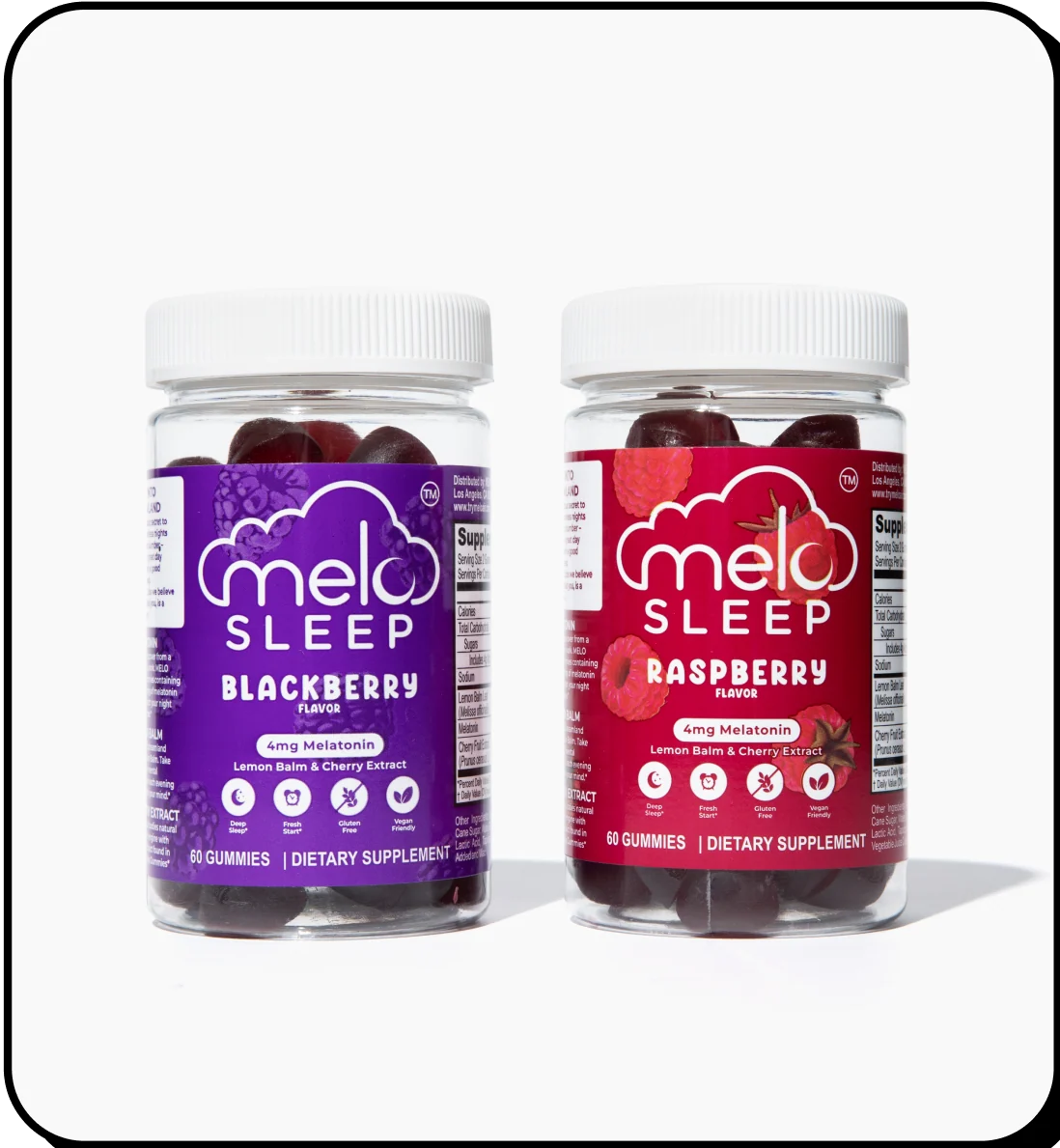
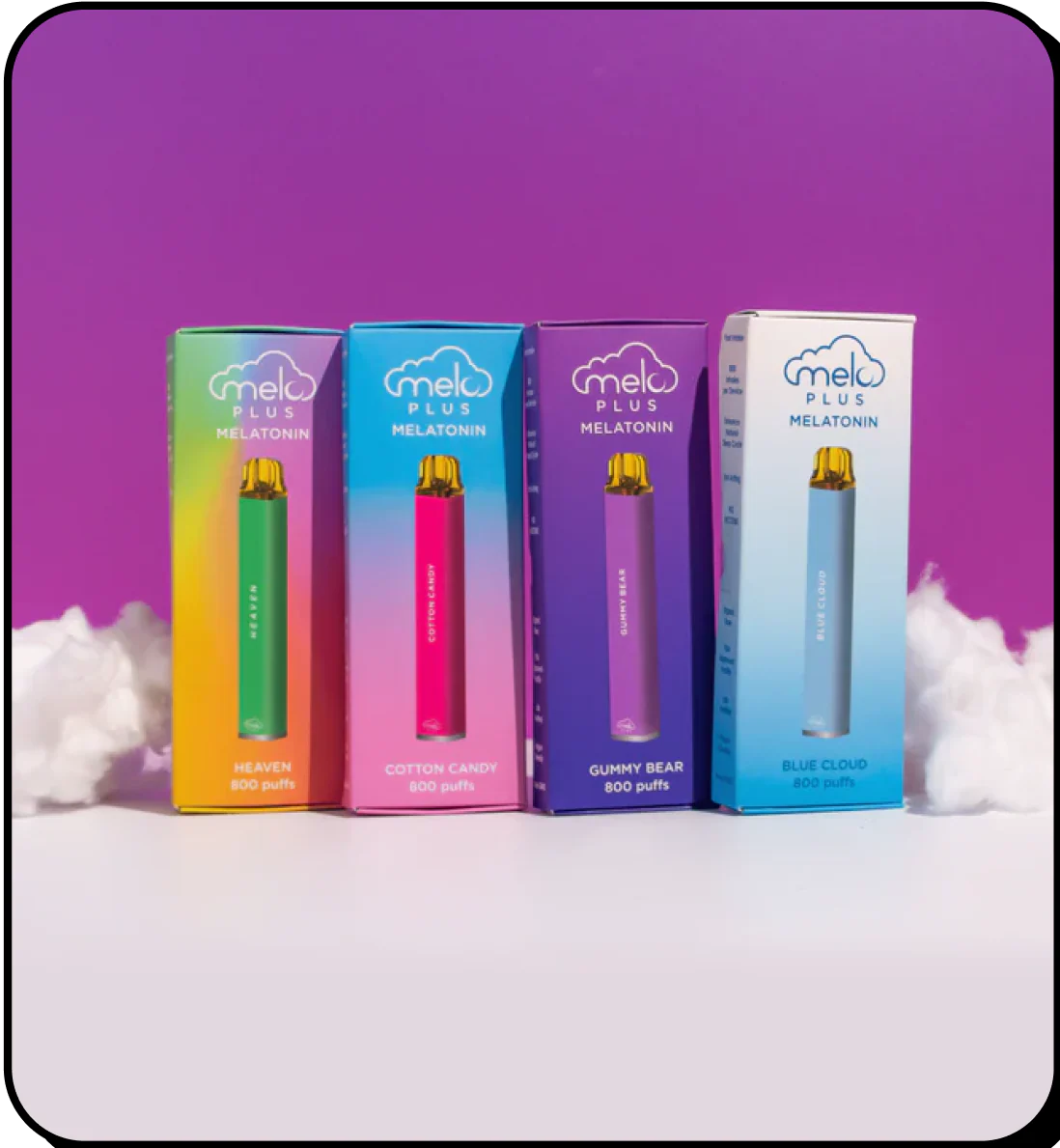
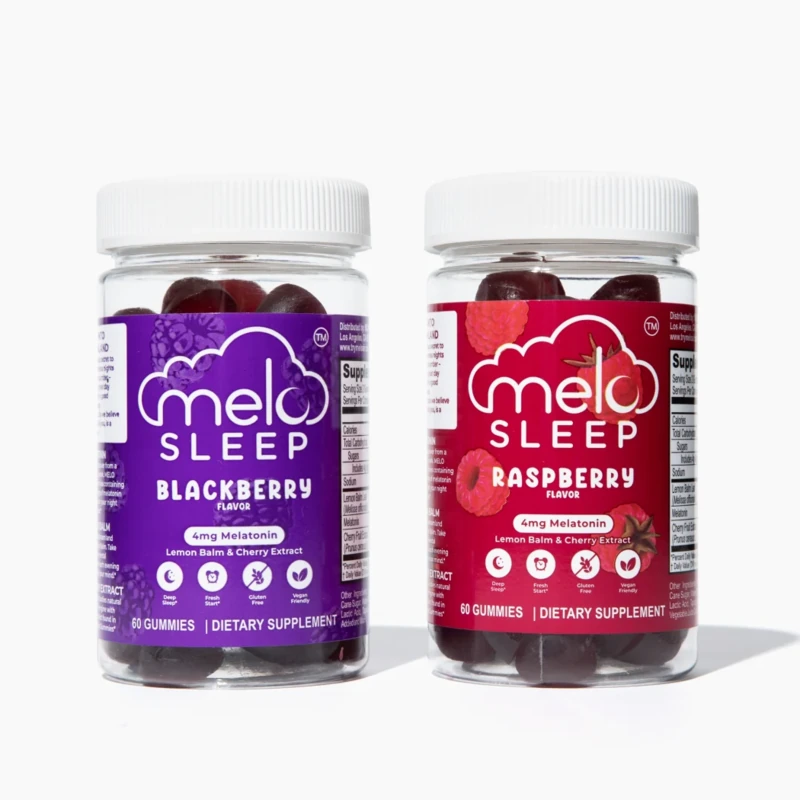
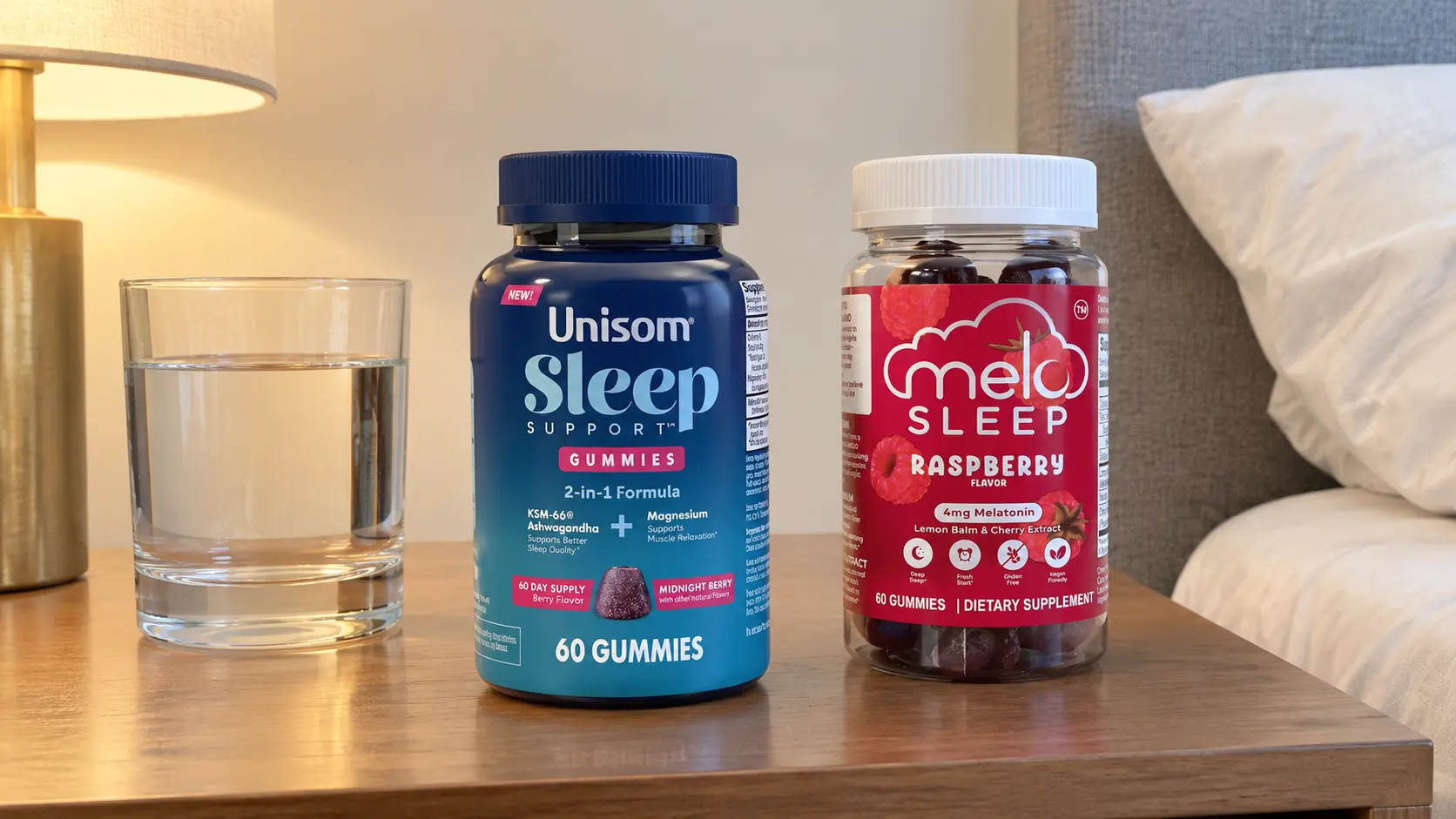
- MELO Labs offers sleep gummies as a separate nighttime format to compare by its current label. Ingredient details and professional guidance, not the format name alone, should shape the choice.
Unisom vs. Melatonin at a Glance
For readers comparing melatonin vs. Unisom, the clearest starting point is each option’s job. Unisom SleepTabs contain doxylamine, an antihistamine that makes you drowsy.
Melatonin as a sleep aid is a dietary supplement based on a hormone involved in circadian timing. A stronger sleepy feeling doesn’t automatically mean a better match for the problem.
| Feature | Unisom SleepTabs | Melatonin supplement |
| Active ingredient | Doxylamine succinate 25 mg | Melatonin, with the amount varying by product |
| Product type | Over-the-counter (OTC) sedating antihistamine | Dietary supplement based on a hormone signal |
| Designed to do | Reduce occasional difficulty falling asleep | Support circadian timing and a nighttime signal |
| Typical timing | Label says 30 minutes before bed | Varies by formulation, goal, and product label |
| Next-day effects | Drowsiness and reduced alertness are possible | Sleepiness, headache, dizziness, or nausea are possible |
| Main cautions | Short-term use. Check alcohol, medicines, and health warnings | Check interactions, pregnancy or breastfeeding, and label quality |
Check the box before deciding. Unisom is a brand family with several active ingredients.
SleepTabs contain doxylamine, but SleepGels contain diphenhydramine. The Drug Facts panel settles what you’re actually comparing.
What Are You Actually Comparing?
Look past the front label and find the active-ingredient line. Then read the amount, age directions, warnings, and instructions. A SleepTabs vs. melatonin comparison differs from one involving SleepGels or a combination product.
In this guide, “Unisom” means SleepTabs with 25 mg of doxylamine succinate. “Melatonin” means a standard over-the-counter supplement. That is why Unisom SleepTabs vs. SleepGels is not a cosmetic comparison.
Comparing gummies? The same label-first rule applies, and our guide to melatonin gummy dosage explains why the number on the label matters more than the serving format.
Unisom SleepTabs and Doxylamine
Doxylamine is a sedating antihistamine sold as a nighttime sleep aid for occasional difficulty falling asleep. The current DailyMed SleepTabs label lists 25 mg in one tablet for adults and children ages 12 and older, taken 30 minutes before bed with a full night’s sleep available. Treat that as label information, not personal dosing advice.
Here’s the tradeoff. Doxylamine can make you sleepy, and the effect may still be hanging around after your alarm goes off.
MedlinePlus advises short-term use and notes that drowsiness can linger. Have an early drive, heavy-equipment work, or a morning exam? Put next-day alertness near the top of your checklist.
Melatonin and Circadian Timing
For the question “Is melatonin a sleeping pill?”, the practical answer is that melatonin plays a different role from a sedating antihistamine because it affects sleep timing. Your brain releases melatonin in response to darkness. That distinction can matter after travel, a shifted schedule, or nights when your internal clock feels scrambled.
The NCCIH melatonin overview finds stronger support for some circadian timing problems than for chronic insomnia. Melatonin is regulated as a dietary supplement in the United States, not as an OTC drug. Formulas vary, so a clear label and a seller you trust matter.
Melatonin won’t flip an instant off switch. Timing changes with the formulation, the reason you’re using it, and your response. Our guide to how long melatonin takes to work digs into those variables without pretending there is one countdown for everyone.
Does the Format Change the Melatonin Comparison?
The format changes the routine, not the questions you need to ask. A gummy or diffuser deserves the same label-first review. Check the amount per serving, ingredients, directions, warnings, and interactions. The format alone should not count as proof that a product is stronger, faster, or a better match for your night.
How Their Effects and Timing Differ
A doxylamine vs. melatonin comparison is about different roles, not which option feels stronger. Unisom SleepTabs make you drowsy through antihistamine action. Melatonin supports the body’s nighttime timing signal.
That difference still doesn’t make this a race. The SleepTabs label gives a 30-minute instruction. Melatonin labels and timing vary with the product and goal. Use the directions on the package in your hand.
What kind of night is this? Maybe you’re having occasional trouble falling asleep, or travel knocked your internal clock sideways. A problem that keeps spilling into your days needs evaluation more than another product swap.
Falling Asleep, Staying Asleep, and the Next Morning
Falling asleep and staying asleep can be two separate headaches. Bedtime drowsiness doesn’t guarantee you won’t be wide awake at 3 a.m. Melatonin’s role in sleep timing doesn’t promise an uninterrupted night either.
And tomorrow counts. Doxylamine can bring lingering drowsiness, dry mouth, nausea, headache, or reduced alertness. Melatonin can cause sleepiness, headache, dizziness, or nausea. Trying a new sleep aid before a morning when sharp focus is nonnegotiable is a gamble worth skipping.
Skip promises like “works in 20 minutes” or “lasts all night.” Formulation, dose, timing, age, metabolism, and other medicines can change the experience. The label gives you a starting point, not a guarantee.
Side Effects, Interactions, and Who Needs Extra Caution
The main Unisom SleepTabs side effects and warnings go beyond grogginess. The label says to avoid alcohol and driving, then tells users to ask a doctor or pharmacist about sedatives, tranquilizers, antihistamines, sleep aids, and other drugs. Breathing problems, glaucoma, and trouble urinating are reasons to ask first.
Older adults may face more risk from sedating antihistamines. If you take prescriptions, supplements, or several cold and allergy products, check for overlapping ingredients. A pharmacist can often catch a duplicate antihistamine or interaction in a quick label review.
Melatonin brings its own interaction questions. NCCIH advises anyone taking medicines to talk with a healthcare professional, especially people using blood thinners or epilepsy medicines. “Natural” doesn’t mean interaction-free. Our melatonin gummy safety guide covers a few useful questions for that conversation.
Pregnancy, Breastfeeding, and Other High-Stakes Situations
An Unisom vs. melatonin pregnancy search can’t replace personal medical advice. The SleepTabs label tells pregnant or breastfeeding users to ask a health professional before use. NCCIH says research on melatonin during pregnancy and breastfeeding remains limited.
There is no universal “safer” pick here. An obstetric clinician, primary-care clinician, or pharmacist can look at the ingredient, trimester, other medicines, and full health picture. A search snippet can’t carry that context.
Can You Take Unisom and Melatonin Together?
Check with a healthcare professional before combining Unisom and melatonin. SleepTabs labeling specifically says to ask before using it with another sleep aid or sedative. Doxylamine can cause drowsiness, and melatonin can cause sleepiness, so professional review matters before combining them.
A workaround pulled from the internet can’t account for your full medication list. Bring both labels to a pharmacist or clinician and ask about the combination itself, especially if alcohol, another antihistamine, or a sedating medicine is involved.
Does a Different Melatonin Format Change the Combination Warning?
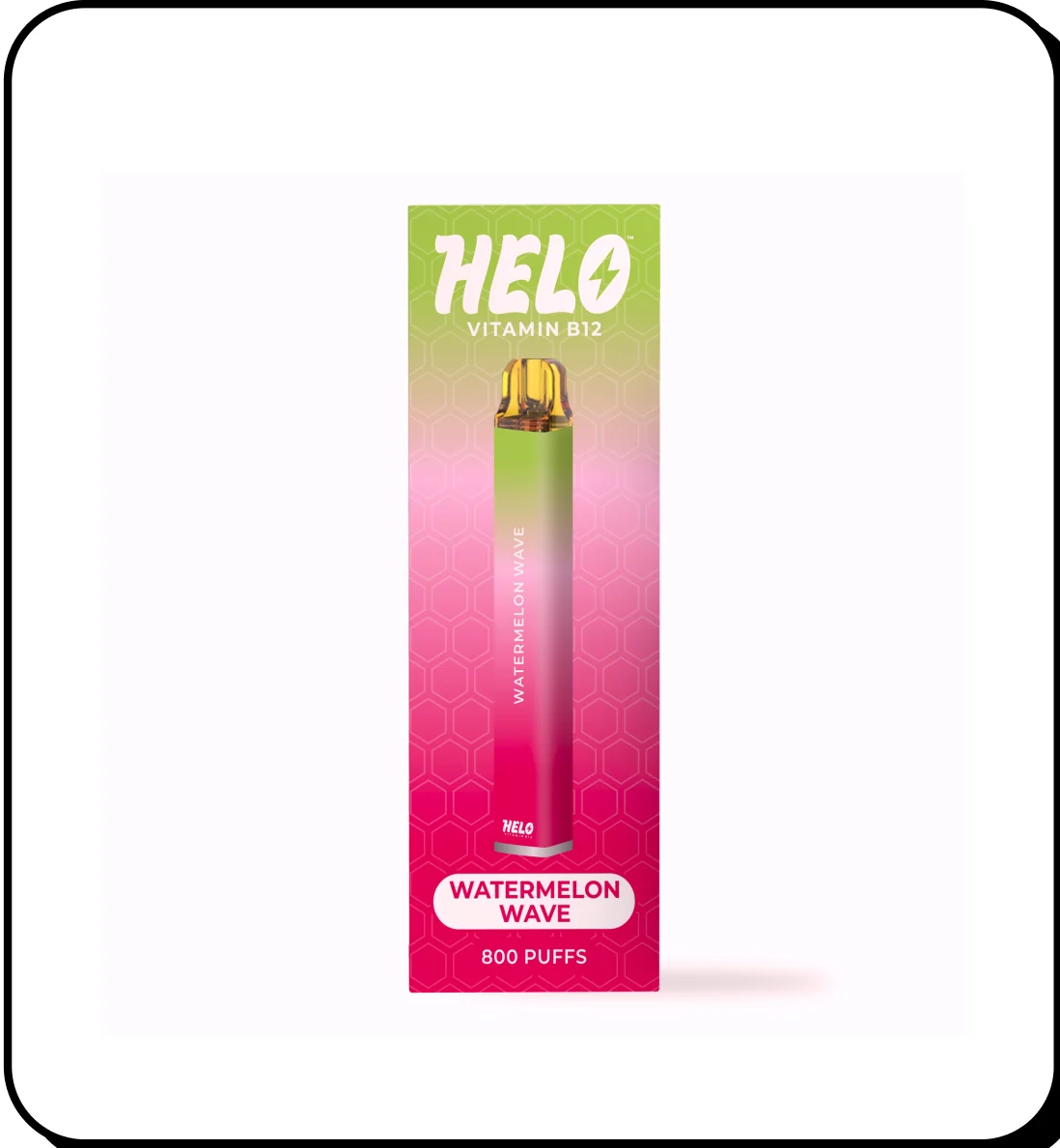
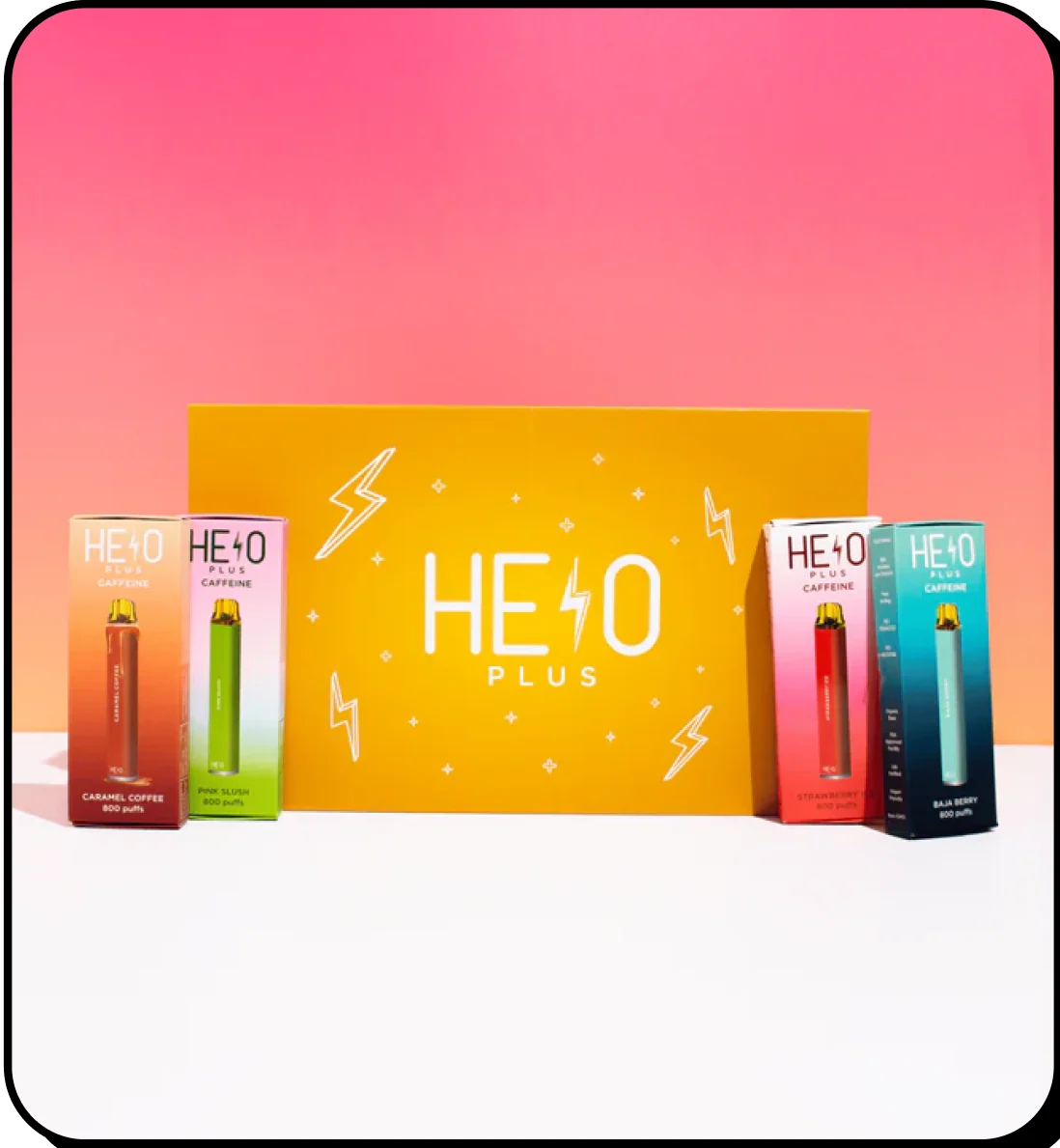
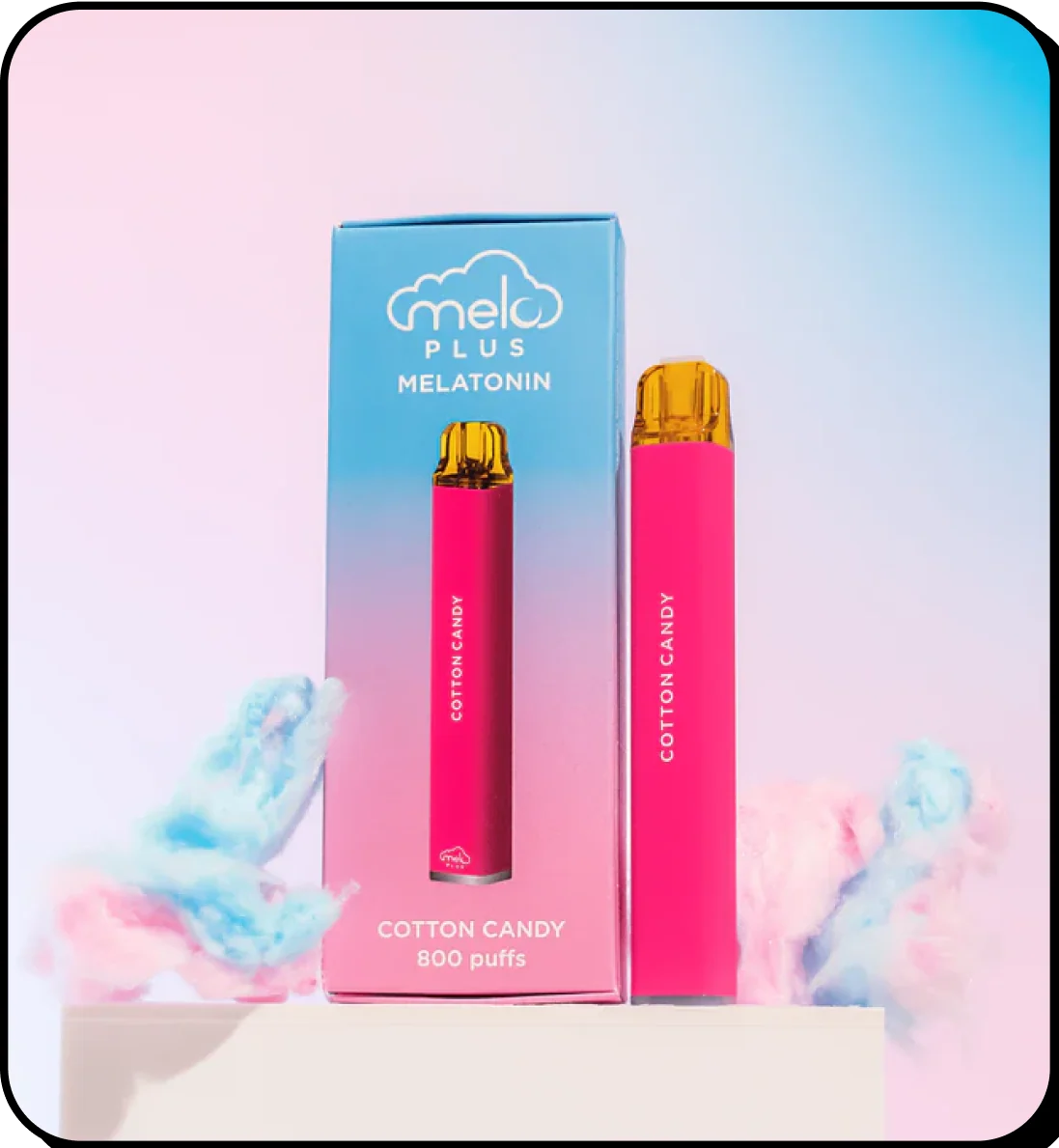
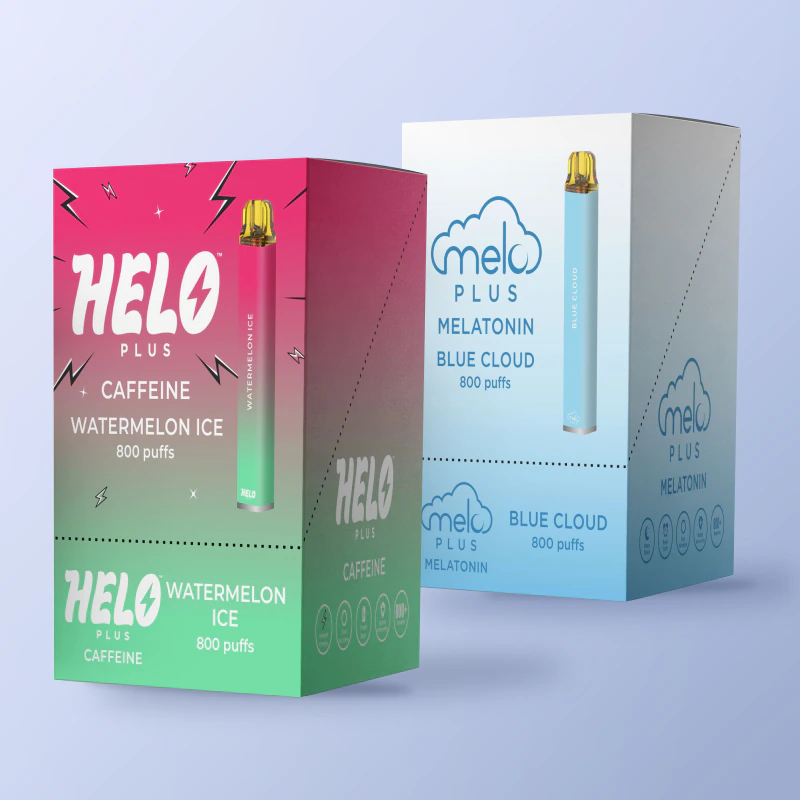
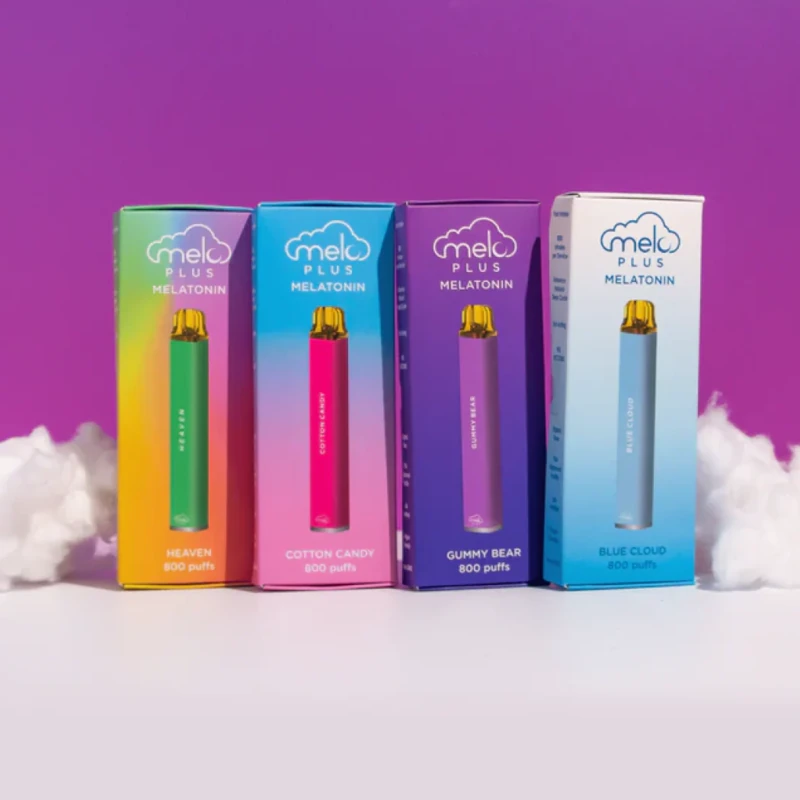
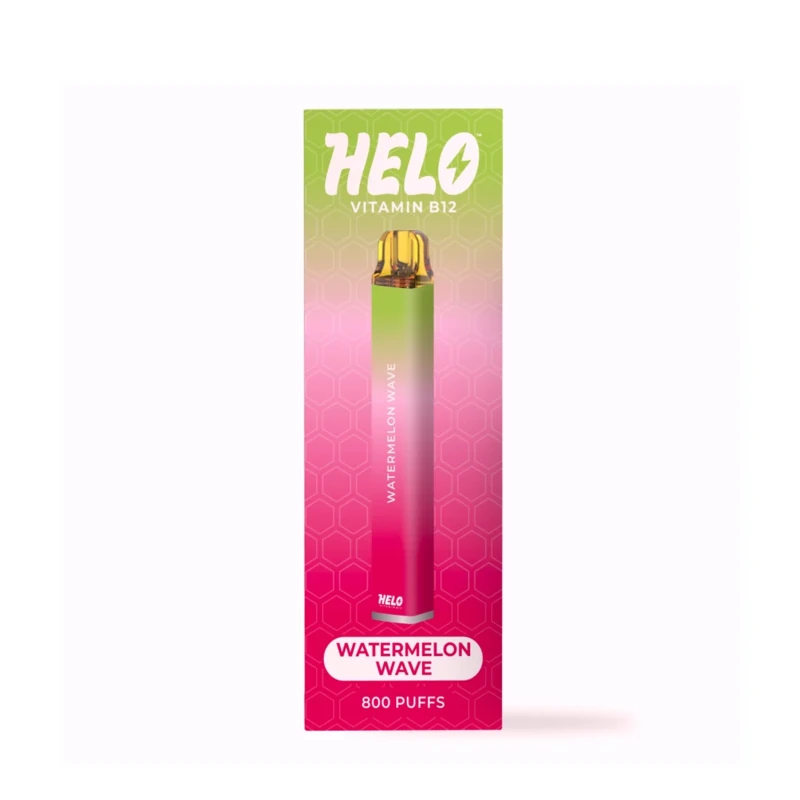
A different melatonin format does not remove the need for a combination check. If you are weighing a MELO Labs gummy or melatonin diffuser alongside Unisom, bring both labels to a clinician or pharmacist. The ingredients, serving details, and directions matter more than the format name.
Which Option Fits the Situation Better?
There’s no universal winner. Melatonin may be more relevant when timing is the problem, such as jet lag or a shifted schedule. Doxylamine is labeled for occasional difficulty falling asleep and short-term use.
Before choosing, check the active ingredient, amount per serving, age limits, warnings, other medicines, alcohol use, and the hours you can actually sleep. Then picture tomorrow morning. A long drive calls for a different level of caution than a quiet day at home.
If sleep trouble lasts more than two weeks or affects your days, talk with a healthcare professional. The SleepTabs label warns that persistent sleeplessness may point to an underlying issue. Cycling through stronger OTC options can delay a more useful conversation.
What Supports Better Sleep Long Term?
A steady wake time, dimmer evening light, a calmer wind-down routine, and a sleep-friendly bedroom can support a healthier pattern. Neither sleep aid replaces those long-term basics. Small changes you repeat beat a “perfect” routine that disappears by Thursday.
For long-term insomnia, NHLBI calls cognitive behavioral therapy for insomnia, or CBT-I, the usual first treatment. It pairs sleep education with strategies for unhelpful habits and worry around bedtime. People can do it in person, by phone, or online with a qualified professional.
Late screens, travel, stress, and off nights will still happen. Aim for enough consistency that one bad night doesn’t turn into a week of bedtime guesswork. The boring basics win surprisingly often because you can actually repeat them.
Build a Nighttime Routine That Fits Real Life
In the Unisom vs. melatonin comparison, start by reading the active ingredient and matching the product to the actual sleep issue. Ask for help when medicines, pregnancy, ongoing symptoms, or morning safety enter the picture.
If melatonin is part of a plan you discussed with a healthcare professional, compare MELO Labs’ two sleep formats. Check the current labels for its sleep gummies and melatonin diffusers, then choose the format that fits an ordinary weeknight. Follow the label and keep the bedtime basics doing their share of the work.