
Does Lemon Balm Make You Sleepy? What the Research Says
Yes, lemon balm can make some people feel calmer, drowsy, or ready to wind down, though the effect varies. That sleepy feeling does not prove better sleep quality. Human research looks promising, but it is still limited and often tests extracts or blends rather than lemon balm alone.
That distinction matters when you are staring at the ceiling after one last scroll turned into 45 minutes. Lemon balm may support relaxation without acting like melatonin, a prescription sleep medicine, or a guaranteed fix for insomnia.
Short Answer to Whether Lemon Balm Makes You Sleepy
Lemon balm drowsiness is possible because the herb may have a calming effect. Some people notice that as sleepiness. If you are comparing sleep gummies, remember that the full formula matters too.
Others feel less tense, and some notice very little. Your response can depend on the preparation, dose, other ingredients, and your own sensitivity.
Sleepiness is only one outcome. A product can make you feel heavy-eyed without improving how long or how well you sleep. Researchers measure sleep quality, total sleep time, night waking, and next-day function separately, so a sleepy feeling cannot answer every question.
If you are trying lemon balm for the first time, choose an evening when you are done driving, working, or doing anything that needs your full attention. Give yourself room to learn how your body responds.
Why Lemon Balm May Make You Feel Drowsy
Lemon balm, or Melissa officinalis, is a mint-family herb with a long history of use for calm and sleep. The European Medicines Agency recognizes its traditional use for mild stress symptoms and as a sleep aid. The agency makes clear that this conclusion comes from long-standing use rather than strong clinical trial evidence.
Why does lemon balm make you sleepy? Researchers have proposed that the herb may affect gamma-aminobutyric acid (GABA) signaling, a pathway that helps regulate nerve activity. Rosmarinic acid is one compound under study, but researchers have not confirmed how this mechanism works in people.
Lemon balm works differently from a prescription or over-the-counter sedative. The proposed mechanisms are not fully settled in humans, and different teas and extracts can contain very different amounts of active compounds. If you notice an effect, it may feel subtle.
What the Research Actually Says About Lemon Balm and Sleep
The evidence is encouraging but uneven. A 2024 review of lemon balm research found potential benefits for calm, mood, cognition, and sleep quality. The review noted that few strong clinical trials exist and called for stronger randomized studies using well-defined lemon balm preparations.
That gap matters because a tea made from dried leaves is not the same as a standardized extract. A combination capsule is not the same as either one. Studies include different age groups, health conditions, doses, and outcome measures, which makes neat, universal conclusions difficult.
One 2024 randomized placebo-controlled trial shows why caution is useful. Researchers randomly assigned 64 adults with impaired sleep to either a blend containing L-theanine, lemon balm, valerian, and saffron or a placebo for six weeks. The combination did not improve objective or subjective sleep measures more than placebo.
Does lemon balm help you sleep? The trial tested several ingredients together, so it cannot tell us what lemon balm does by itself. Still, a plausible calming formula can fall short in a well-controlled trial.
The fairest verdict right now is promising, with plenty left to prove.
Many positive studies use people with specific health concerns, such as stress, anxiety, or sleep disruption after a medical event.
Results from those groups may not predict what a healthy adult feels after a casual cup of tea. Small samples and short study periods leave important questions open.
For now, the research supports a measured experiment, not a bold promise. Pay attention to how you feel that evening and the next morning. Treat grogginess, restlessness, or poor rest as signs that the product may be a poor fit.
Write down what you took, when you took it, and how you slept. A tiny note beats trying to reconstruct a fuzzy bedtime from memory the next afternoon.
Does a Sleep Gummy Show What Lemon Balm Does on Its Own?
No. A blended sleep gummy can show whether the full formula fits you, but it cannot isolate lemon balm’s effect.
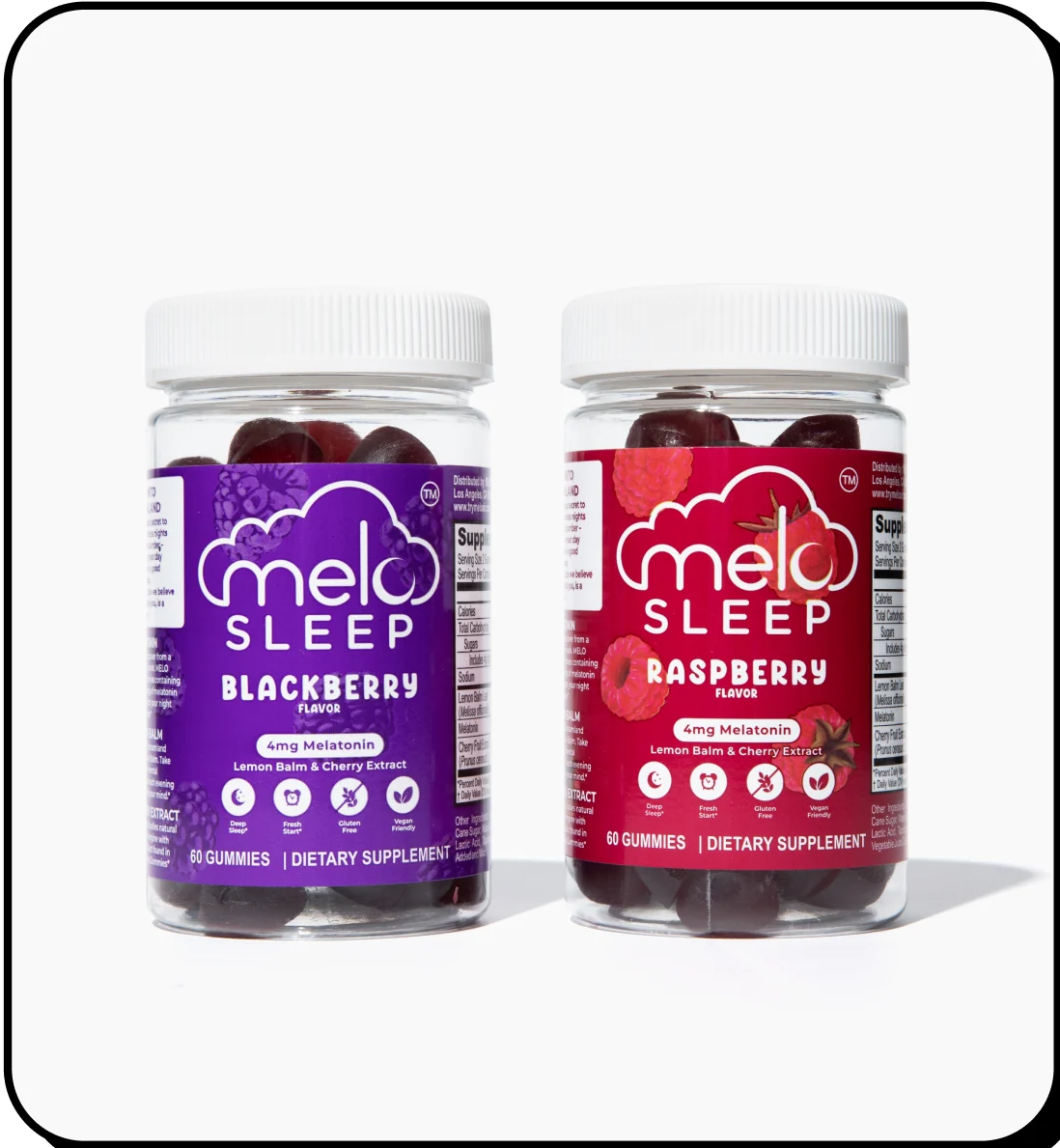
MELO Labs makes functional sleep gummies that pair lemon balm with melatonin and cherry extract. That combination gives you one labeled bedtime option, not a clean experiment on lemon balm alone. Judge the complete formula, follow its package directions, and avoid crediting one ingredient for the whole response.
How Long Does Lemon Balm Take to Work, and When Should You Take It?
Lemon balm has no universal onset time. Tea, tinctures, capsules, extracts, and gummies use different preparations and amounts. Food, body size, sensitivity, and other calming ingredients can change what you notice and when you notice it.
For sleep support, people often use lemon balm in the evening. Follow the timing on the specific product label instead of assuming every form works in 30 minutes or one hour. Melatonin has its own timing, which we explain in how long melatonin takes to work. On your first try, take lemon balm only after alertness-heavy tasks are finished.
Avoid taking more because you do not feel an immediate effect. Herbal products are not interchangeable, and doubling up can increase side effects without making the result more predictable.
Keep the rest of the evening consistent while you test it. If you change the dose, drink alcohol, stay up two hours later, and scroll in bright light, you will not learn much from the result. One simple change at a time gives you a clearer read.
Tea, Extracts, and Gummies Do Not Work the Same Way
Does lemon balm tea make you sleepy? It may feel calming, especially as part of a quiet bedtime routine, but the strength of a cup depends on the leaves, amount, steeping method, and serving size. You cannot assume it delivers the same compounds as a studied extract.
Extracts concentrate selected plant compounds and may be standardized. Gummies can pair lemon balm with melatonin or other ingredients, so any drowsiness may come from the full formula. Read the whole label before combining products.
How Much Lemon Balm Should You Take?
Follow the label for the exact product in your hand. Lemon balm preparations vary too much for one universal amount, and a tea dose cannot be translated directly into a gummy or concentrated extract.
Traditional European guidance lists form-specific ranges for certain leaf teas, powders, liquid extracts, and tinctures. Those ranges describe particular preparations. They are not a personal dosing plan, and they do not automatically apply to products that combine lemon balm with melatonin, valerian, or other calming ingredients.
Starting with the labeled serving makes it easier to judge your response. If the product directions are unclear, or you take regular medication, a pharmacist can help you check the label and potential interactions.
How Do You Know Whether a Sleep Gummy Fits Your Routine?
A sleep gummy fits your routine only if its full ingredient list, serving directions, and dietary format work for you.
MELO Labs’ Sleep Gummies use vegan pectin instead of gelatin and combine lemon balm with melatonin and cherry extract. That makes them a practical option for someone who wants one bedtime product and avoids gelatin. Check every calming ingredient you already use before adding the gummy.
Side Effects, Interactions, and Who Should Be Careful
Lemon balm is often described as gentle, but gentle does not mean effect-free. Possible side effects include the following.
-
Drowsiness or reduced alertness
-
Dizziness
-
Headache
-
Stomach upset
Wait to drive or operate equipment until you know how lemon balm affects you. Cleveland Clinic notes that long-term safety studies are lacking, so talk with a healthcare professional before using it daily over time.
What Should You Not Mix With Lemon Balm?
Check with a healthcare professional before combining lemon balm with alcohol, sleep aids, anti-anxiety medicines, sedating antihistamines, or other calming supplements. Combining them could leave you sleepier or less alert than expected.
Thyroid medication deserves a separate check. Concerns about lemon balm and thyroid signaling are based mainly on laboratory and animal evidence, not clear proof of a harmful interaction in people. Still, anyone taking thyroid medicine should ask a pharmacist or healthcare professional before using lemon balm regularly.
The same check is smart before combining multiple sleep products. A label may already include melatonin, valerian, L-theanine, or another ingredient that affects alertness.
Tea, capsules, tinctures, and gummies can include ingredients beyond lemon balm. Flavors, sweeteners, alcohol-based extracts, and multi-herb blends may matter for allergies, medication interactions, or personal preferences. Reading the full ingredient panel is part of the safety check.
Who Should Check With a Healthcare Professional First?
Talk with a healthcare professional before use if you are pregnant or breastfeeding, have a thyroid condition, take regular medication, or are choosing a product for a child. Product labels and age limits differ, and safety data are not equally strong for every group.
Stop using the product and seek help for a severe reaction or concerning symptoms. If sleep trouble keeps returning, affects your daytime life, or lasts for weeks, get professional guidance instead of relying on a supplement as the only answer.
Can You Take Lemon Balm With Melatonin?
Lemon balm and melatonin appear together in some sleep products, but they play different roles.
Lemon balm is used for its potential calming effects. Melatonin is a hormone that helps signal the timing of your sleep-wake cycle. The differences between melatonin and ZzzQuil show why not all nighttime products work the same way. Together, lemon balm and melatonin may increase drowsiness.
With a combination product, one label shows the intended serving for the full formula. Check that label first, and avoid adding extra melatonin or another calming supplement without professional advice.
If you want a quick refresher, melatonin helps signal sleep timing, while lemon balm is used for its potential calming effects. The label on a combination product should guide timing and serving size.
Where MELO Sleep Gummies Fit Into a Bedtime Routine
MELO Sleep Gummies are a vegan option made with pectin and combine melatonin, lemon balm, and cherry extract. The current product page lists 4 mg of melatonin per serving. Follow the package label you receive for the serving size and timing.
The routine matters more than the gummy alone.
-
Lower the lights and put your phone out of reach.
-
Choose a realistic lights-out time.
-
Finish caffeine earlier in the day.
-
Keep the room comfortable.
Give yourself a repeatable cue that the day is over. A supplement can support that routine, but it cannot replace it.
Quality matters, too. Understanding how melatonin gummies are made can help you compare ingredient lists, label accuracy, and testing practices.
Frequently Asked Questions
Quick questions deserve clear answers. These FAQs cover timing, bedtime use, and daily use.
Should You Take Lemon Balm in the Morning or at Night?
If you are using lemon balm for sleep, evening usually makes more sense. Daytime use may reduce alertness for some people. Try it for the first time only after driving, work, and other focus-heavy tasks are done, and follow the product label.
Is It Good to Take Lemon Balm Before Bed?
Follow the specific label for timing. If you are using tea, leave enough time that a large mug does not become a middle-of-the-night bathroom alarm. If you are using a multi-ingredient gummy or capsule, consider the full formula rather than judging the lemon balm in isolation.
Lemon balm may help some people relax before bed when stress keeps the mind busy, but it is no guaranteed insomnia treatment. Pair it with repeatable basics such as a steady schedule, lower evening light, and less late-night stimulation.
Can You Take Lemon Balm Every Day?
Long-term safety evidence is limited, and products differ in strength and ingredients. Do not assume indefinite daily use is right for everyone. Follow the label and ask a healthcare professional about ongoing use, especially if you take medication or have a health condition.
Build a Calmer Nighttime Routine With Lemon Balm
Lemon balm may make you feel sleepy, but effects vary. It may help you unwind, and your response may differ from someone else’s. Format, timing, other ingredients, and safety all matter.
Start with your routine, then decide whether one labeled product fits it. The current MELO Sleep Gummies formula pairs lemon balm with melatonin and cherry extract in a vegan pectin gummy. Check the package directions and the rest of your evening lineup before you add another calming product.
Build the routine first, then decide whether a supportive tool belongs in it. If a simple vegan gummy fits your evening, explore MELO Sleep Gummies and follow the current package directions. Use it as one small cue that it is time to log off and let the night begin.
References
Mathews, Imogen Maria, et al. “Clinical Efficacy and Tolerability of Lemon Balm (Melissa officinalis L.) in Psychological Well-Being: A Review.” Nutrients, vol. 16, no. 20, 2024, article 3545.
Gutiérrez-Romero, Sebastián Antonio, et al. “Effect of a Nutraceutical Combination on Sleep Quality among People with Impaired Sleep: A Randomised, Placebo-Controlled Trial.” Scientific Reports, vol. 14, 2024, article 8062.
Leave a comment