Anxiety Statistics 2026: Prevalence by Age, Gender and Cause
An estimated 470 million people lived with an anxiety disorder in 2023, about 5.8% of the world’s population. The World Health Organization reports that figure from the Global Burden of Disease study. [1]
In the United States, a national diagnostic interview study found that 19.1% of adults met the criteria for an anxiety disorder in the previous year, according to the National Institute of Mental Health. The interviews took place in 2001–2003. More recent surveys offer a different view of daily life: in 2025, 12.5% of adults reported regular worry, nervousness or anxiety to the National Center for Health Statistics, and 6.6% reported moderate or severe symptoms over the previous two weeks in SAMHSA’s national survey. [2–4]
A person can have a difficult two weeks without meeting the criteria for a disorder. Clinicians consider how intense the fear or worry feels, how long it lasts and how it affects daily life. The WHO overview describes how anxiety can interfere with work, school and relationships. [1]
Key Anxiety Statistics at a Glance
| Statistic | What it measures | Year + source |
| 470 million (5.8%) | People worldwide living with an anxiety disorder | 2023 | Global Burden of Disease study [1] |
| 19.1% | U.S. adults who met diagnostic criteria in the past year | 2001–2003 | NIMH [2] |
| 31.1% | U.S. adults who met diagnostic criteria at some point in life | 2001–2003 | NIMH [2] |
| 19% | U.S. adults who reported ever receiving a professional anxiety diagnosis | 2024 | CDC [7] |
| 12.5% | U.S. adults reporting regular worry, nervousness or anxiety | 2025 | National Center for Health Statistics [3] |
| 6.6% | U.S. adults with moderate or severe symptoms in the past two weeks | 2025 | SAMHSA [4] |
| 14.3% | U.S. adults with mild symptoms in the past two weeks | 2025 | SAMHSA [4] |
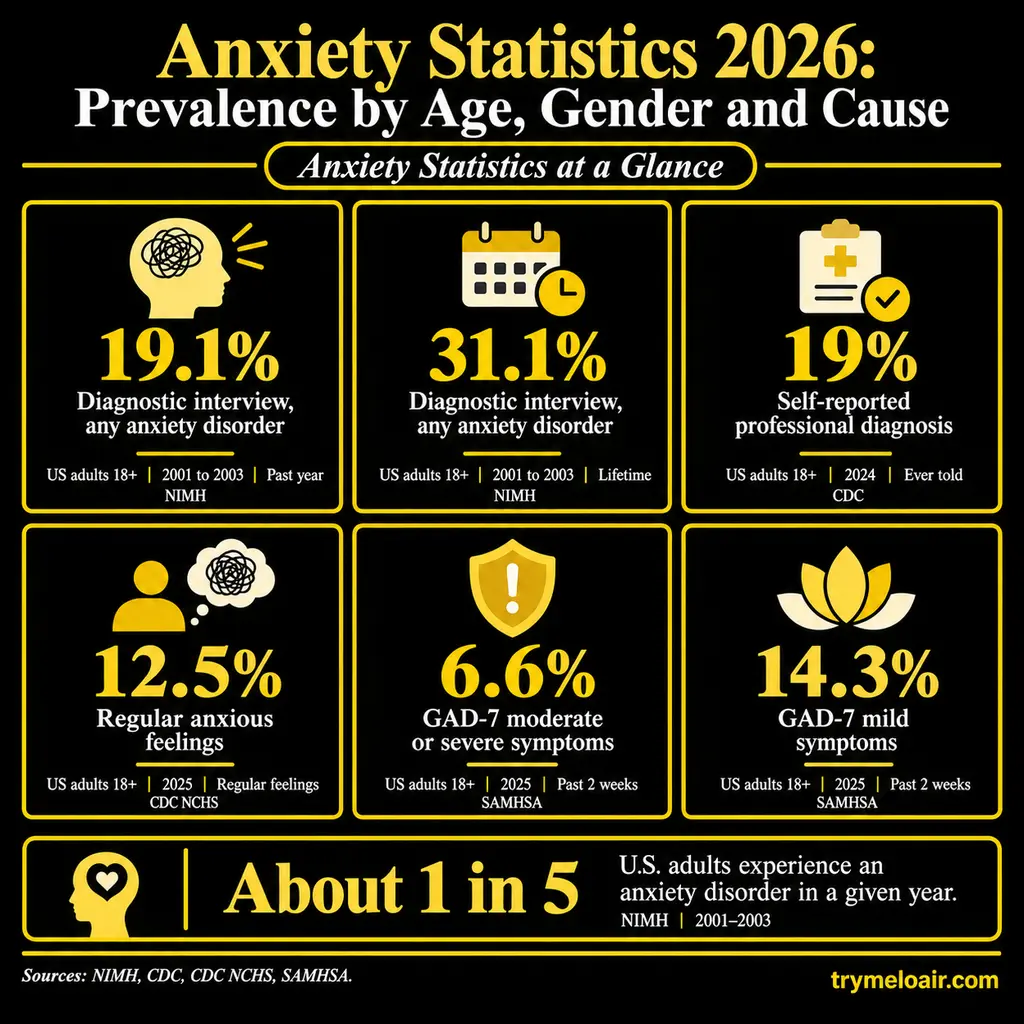
U.S. adult anxiety estimates from diagnostic interviews, diagnosis reports and symptom surveys, 2001–2025.
How Common Is Anxiety in the United States?
In 2024, 19% of U.S. adults reported that a health professional had diagnosed them with an anxiety disorder at some point, according to the CDC. Asking about a lifetime diagnosis captures people whose symptoms have since improved, as well as those who are currently struggling. [7]
A diagnostic interview can also identify people who have never received care. In the 2001–2003 National Comorbidity Survey Replication estimates, 19.1% of U.S. adults met criteria for an anxiety disorder during the previous year and 31.1% met criteria at some point in their lives. [2]
Measure Estimate Population Data year Time window Source Diagnostic interview, any anxiety disorder 19.1% US adults 18+ 2001 to 2003 Past year NIMH Diagnostic interview, any anxiety disorder 31.1% US adults 18+ 2001 to 2003 Lifetime NIMH Self-reported professional diagnosis 19% [7] US adults 18+ 2024 Ever told CDC Regular anxious feelings 12.5% US adults 18+ 2025 Regular feelings CDC NCHS GAD-7 moderate or severe symptoms 6.6% US adults 18+ 2025 Past 2 weeks SAMHSA GAD-7 mild symptoms 14.3% US adults 18+ 2025 Past 2 weeks SAMHSA
The National Comorbidity Survey Replication used the diagnostic criteria in effect when interviewers visited U.S. households in 2001–2003. Its anxiety disorder category included obsessive-compulsive disorder and post-traumatic stress disorder. Later diagnostic manuals group those conditions separately. [8][2]
What Does an Anxiety Screen Measure?
A screening questionnaire asks about recent experiences such as worrying excessively or finding it difficult to relax. The National Survey on Drug Use and Health uses the seven-item GAD-7 questionnaire to measure symptoms over the previous two weeks. [4]
In that 2025 survey, 14.3% of U.S. adults scored in the mild range and 6.6% in the moderate or severe range. A clinician evaluating generalized anxiety disorder considers a longer history of symptoms and their effects on daily activities. [4]
A survey about regular feelings of worry can also capture people whose symptoms come and go. This helps explain why the National Health Interview Survey and the GAD-7 survey give different estimates for the same year. [3][4]
Can Anxiety Statistics Show Whether a Wellness Product Works?
To find out whether a product helps, researchers would need to study people who use it and measure how their symptoms change against an appropriate comparison group. A survey of how common anxiety is answers a different question.
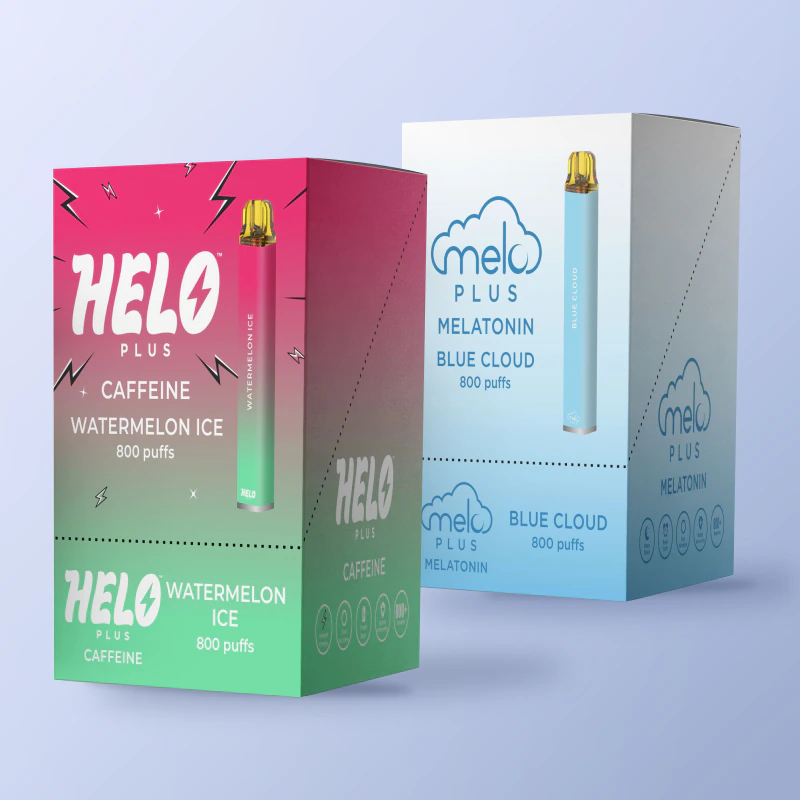
For example, MELO’s product information describes the ingredients and nicotine-free format of its anxiety pen. Those details tell shoppers what the product contains. [21]
People seeking help with persistent worry can discuss treatments with a qualified health professional.
How Common Are Anxiety Disorders Worldwide?
The Global Burden of Disease estimates combine evidence from many populations. The World Health Organization reports that anxiety disorders were the most common mental disorders worldwide in 2023. [1]
Access to care is a separate question. Across 23 community surveys in 21 countries, 27.6% of people who met criteria for an anxiety disorder during the past year had received any treatment. The World Mental Health Surveys study reporting that finding was published in 2018. [9]
Measure Estimate Population Estimate or source year Source People living with an anxiety disorder 470 million Global, all ages 2023 Global Burden of Disease study Prevalence 5.8% Global, all ages 2023 Global Burden of Disease study Treatment coverage among people in need 27.6% 21-country World Mental Health Surveys Published 2018 World Mental Health Surveys
The treatment figure comes from people interviewed in participating countries. The global prevalence estimate covers all ages worldwide and relies on modeling to fill gaps where survey data are limited.
Anxiety Statistics by Age
In both recent U.S. symptom surveys, anxiety was more common among younger adults. The pattern appeared even though the surveys used different age groups and different thresholds for symptom severity. [4][5]
In SAMHSA’s 2025 survey, 12.2% of adults ages 18–25 reported moderate or severe symptoms in the previous two weeks. That share fell to 8.1% among those ages 26–49 and 3.7% among adults 50 and older. In the 2022 National Health Interview Survey, which also counted mild symptoms, adults ages 18–29 had the highest share at 26.6%. [4][5]
Survey and measure Age group Estimate Data year and window Source SAMHSA, moderate or severe GAD-7 18 to 25 12.2% 2025, past 2 weeks SAMHSA SAMHSA, moderate or severe GAD-7 26 to 49 8.1% 2025, past 2 weeks SAMHSA SAMHSA, moderate or severe GAD-7 50+ 3.7% 2025, past 2 weeks SAMHSA CDC, any GAD-7 symptoms 18 to 29 26.6% 2022, past 2 weeks CDC NCHS CDC, any GAD-7 symptoms 30 to 44 20.7% 2022, past 2 weeks CDC NCHS CDC, any GAD-7 symptoms 45 to 64 15.8% 2022, past 2 weeks CDC NCHS CDC, any GAD-7 symptoms 65+ 11.2% 2022, past 2 weeks CDC NCHS
Including mild symptoms makes the CDC percentages higher. Within each survey, however, the share reporting symptoms fell with age.
Anxiety Statistics for Children and Teens
Parents reported a current anxiety diagnosis for 11% of U.S. children ages 3–17 in 2023–2024, according to the CDC’s childhood mental health data. In a separate 2025 adolescent survey, 18.0% of 12–17-year-olds reported moderate or severe anxiety symptoms over the previous two weeks. [6][4]
In the childhood survey, 13% of girls and 10% of boys had a current diagnosis. An earlier national interview study of adolescents found that 31.9% of 13–18-year-olds interviewed in 2001–2004 had met the criteria for an anxiety disorder at some point in their lives. [6][10]
Measure Population Estimate Data year and window Source Current diagnosed anxiety Children ages 3 to 17 11% 2023 to 2024, current CDC Current diagnosed anxiety Females ages 3 to 17 13% 2023 to 2024, current CDC Current diagnosed anxiety Males ages 3 to 17 10% 2023 to 2024, current CDC Moderate or severe GAD-7 symptoms Adolescents ages 12 to 17 18.0% 2025, past 2 weeks SAMHSA Any anxiety disorder diagnostic interview Adolescents ages 13 to 18 31.9% 2001 to 2004, lifetime NIMH NCS-A
Following the same children over time would help answer how their anxiety changes as they grow. These surveys instead capture different groups, from young children whose parents answer for them to teenagers who describe their own experiences.
Anxiety Statistics by Gender
In the national adult diagnostic interviews, 23.4% of female respondents and 14.3% of male respondents met the criteria for an anxiety disorder in the past year. Years later, women were also more likely to report recent symptoms in the 2022 National Health Interview Survey. [2][5]
The adult interviews used female and male categories, while the CDC adult symptom report describes women and men. The studies also differ in age, outcome and reporting period.
| Dataset and measure | Female or women | Male or men | Data year and population | Source |
|---|---|---|---|---|
| NIMH past-year diagnosis | 23.4% | 14.3% | 2001 to 2003, adults | NIMH NCS-R |
| CDC any GAD-7 symptoms | 21.4% | 14.8% | 2022, adults | CDC NCHS |
| NIMH lifetime diagnosis | 38.0% | 26.1% | 2001 to 2004, adolescents | NIMH NCS-A |
| CDC current diagnosed anxiety | 13% | 10% | 2023 to 2024, children 3 to 17 | CDC |
The surveys show how the estimates differ between groups. Understanding why requires other evidence. The World Health Organization describes social, psychological and biological factors that can interact over a person’s lifetime. [1]
Statistics by Anxiety Disorder Type
Specific phobia was the most common of four anxiety disorders in the 2001–2003 U.S. adult interviews. During the previous year, 9.1% of adults met criteria for specific phobia, 7.1% for social anxiety disorder, 2.7% for panic disorder and 2.7% for generalized anxiety disorder, according to NIMH. [11–14]
A lifetime estimate includes people who experienced a disorder earlier in life. For each of the four disorders below, that percentage was higher than the corresponding past-year estimate.
| Disorder type | Past-year prevalence | Lifetime prevalence | Population and data year | Source |
|---|---|---|---|---|
| Generalized anxiety disorder | 2.7% | 5.7% | US adults, 2001 to 2003 | NIMH |
| Panic disorder | 2.7% | 4.7% | US adults, 2001 to 2003 | NIMH |
| Social anxiety disorder | 7.1% | 12.1% | US adults, 2001 to 2003 | NIMH |
| Specific phobia | 9.1% | 12.5% | US adults, 2001 to 2003 | NIMH |
A person can meet the criteria for more than one disorder. Adding the four percentages would count some people twice. The NIMH estimate for any anxiety disorder accounts for people who meet criteria for multiple conditions. [2]
Have Anxiety Rates Increased Over Time?
The clearest U.S. comparison comes from adults who answered the same symptom questionnaire in two survey years.
The National Center for Health Statistics found that 15.6% of U.S. adults reported at least mild anxiety symptoms in 2019. By 2022, the share had risen to 18.2%, an increase of 2.6 percentage points. In both years, the questionnaire covered the two weeks before the interview. [5]
Globally, the COVID-19 Mental Disorders Collaborators estimated 76.2 million additional anxiety disorder cases in 2020, a 25.6% increase over the number expected without the pandemic. The researchers compared two models for the same year. [15]
A 2026 study in the American Journal of Public Health compared 10,953 U.S. young adults ages 18–25 across survey cohorts. Compared with 2020, the 2024 cohort had higher odds of reporting an anxiety diagnosis, using anxiety medication and experiencing frequent anxiety. The odds ratios were 1.31, 1.32 and 1.28, respectively. [16]
Indicator Baseline Comparison Change Population and years Source Any GAD-7 anxiety symptoms 15.6% 18.2% +2.6 percentage points US adults, 2019 to 2022 CDC NCHS Modeled anxiety cases 298 million 374 million +76.2 million, +25.6% Global, 2020 pandemic adjustment Lancet study History of diagnosis odds 2020 reference OR 1.31 Higher odds US adults 18 to 25, 2024 AJPH study Medication-use odds 2020 reference OR 1.32 Higher odds US adults 18 to 25, 2024 AJPH study Frequent-symptom odds 2020 reference OR 1.28 Higher odds US adults 18 to 25, 2024 AJPH study
Each study captures a particular period. The national symptom survey tracks change from 2019 to 2022, while the pandemic model estimates how much the global burden differed from what researchers expected in 2020.
What Causes Anxiety or Raises Its Risk?
The World Health Organization identifies abuse, severe loss and other adverse experiences among the factors that can raise someone’s likelihood of developing an anxiety disorder. People with similar experiences can have different outcomes. [1]
A review of 68 systematic reviews and meta-analyses found that adverse childhood experiences were associated with 1.94 times the odds of an anxiety disorder. [17]
That comparison concerns odds across groups. It cannot tell a person who experienced childhood adversity whether they will develop anxiety or identify the cause of an individual diagnosis.
Is Caffeine Associated With Anxiety?
In randomized studies, people given caffeine scored higher on anxiety measures on average than people given a comparison drink or product. The magnitude and direction of the effects varied across trials, according to a 2026 review in Frontiers in Nutrition. [18]
The review included 15 trials with 668 participants. Twelve trials contributed 16 comparisons to the anxiety analysis. The average difference was about half a standard deviation, but the prediction interval included zero, meaning a new study under different conditions could find little or no difference. [18]
An exploratory analysis found higher scores with doses above 200 mg. The authors rated the evidence as very uncertain and could not establish a dose at which anxiety begins. MELO’s caffeine consumption statistics put those trial doses in the context of what people typically drink. [18]
How Are Sleep and Anxiety Related?
People with anxiety-related disorders often describe difficulty sleeping. The extent of that difficulty depends partly on whether researchers ask people about their nights or measure sleep directly.
In a 2020 review of sleep and anxiety-related disorders, participants with anxiety-related conditions reported substantially more sleep disturbance than healthy comparison groups. Differences in measured sleep duration, continuity and depth were smaller. [19]
The findings varied by disorder. For a wider picture of how long people sleep and how often they struggle to stay asleep, see MELO’s sleep statistics and its survey of stress and sleeplessness.
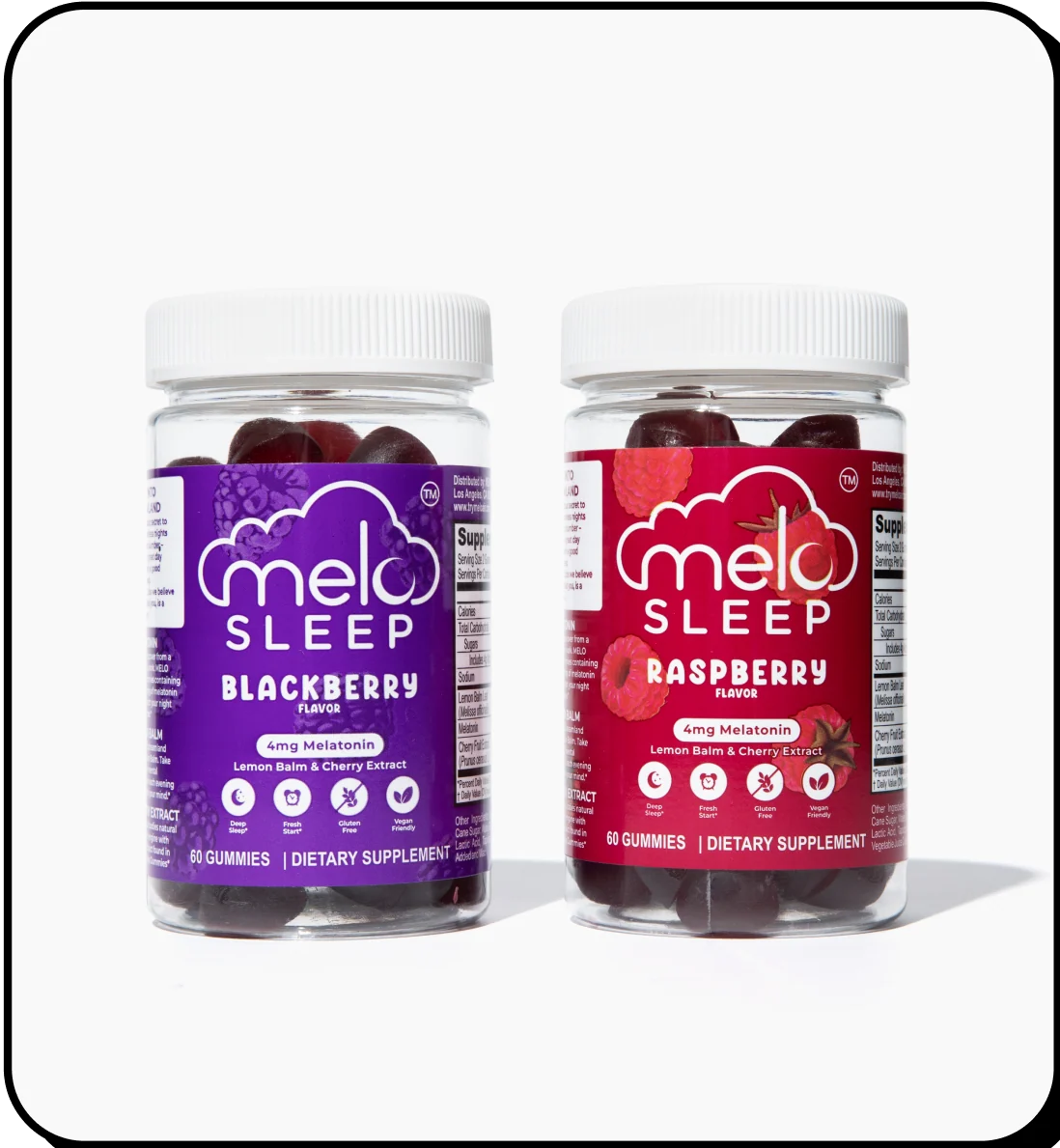
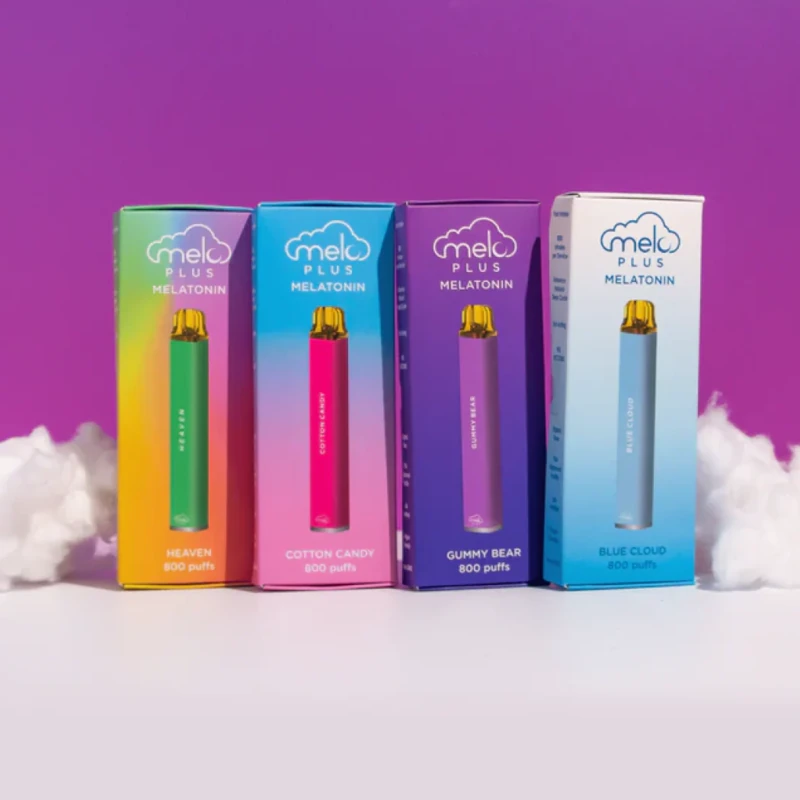
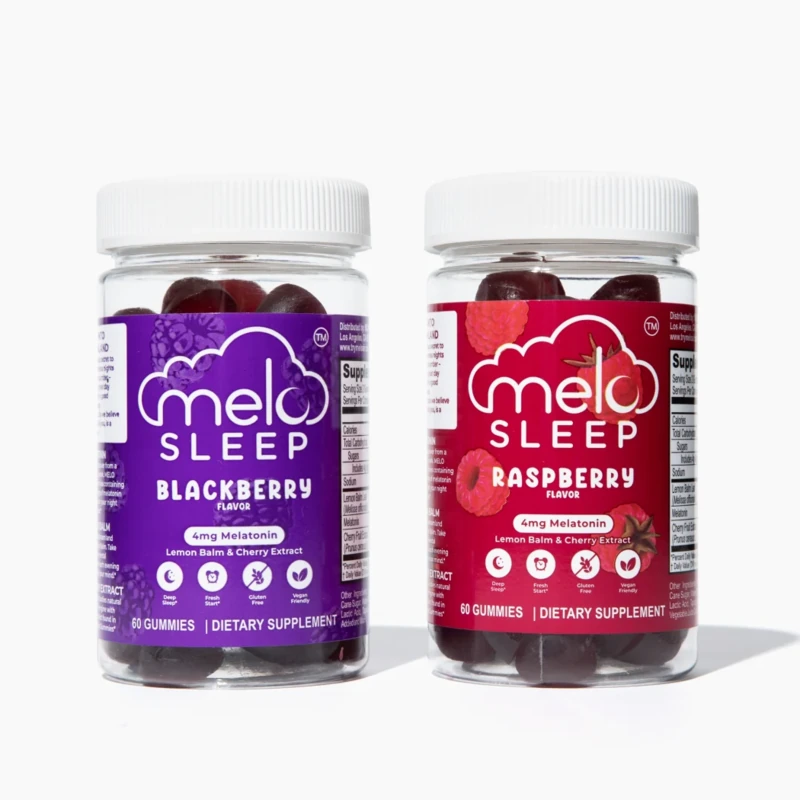
For adults comparing nighttime products, MELO’s sleep gummies contain 4 mg of melatonin per serving. MELO Plus diffusers are a separate product format. Anyone seeking care for anxiety can discuss treatment options with a qualified clinician. [20][22]
When to Seek Support
It can help to pay attention to what worry is keeping you from doing. Someone may begin avoiding social plans, lose sleep before work or struggle to concentrate because of recurring fears.
If worry or avoidance interferes with daily activities, the World Health Organization recommends seeking care. Effective treatments are available. MELO’s sleep deprivation statistics offer additional background for readers interested in how often people fall short on sleep. [1]
A health professional can ask about the timing, intensity and impact of symptoms and help identify an appropriate next step.
Frequently Asked Questions About Anxiety Statistics
The answers below identify who was surveyed and whether researchers counted symptoms, diagnoses or treatment.
What Percentage of Americans Have Anxiety?
In a U.S. adult diagnostic interview study from 2001–2003, 19.1% met criteria for a past-year anxiety disorder, according to NIMH. In SAMHSA’s 2025 survey, 6.6% of adults reported moderate or severe symptoms in the preceding two weeks. [2][4]
What Percentage of the World Has an Anxiety Disorder?
About 5.8%, or 470 million people, lived with an anxiety disorder in 2023, according to the World Health Organization’s report on the Global Burden of Disease estimates. [1]
Which Age Group Has the Most Anxiety?
In SAMHSA’s 2025 survey, 18.0% of U.S. adolescents ages 12–17 had moderate or severe symptoms in the previous two weeks. Among adults, the highest share was 12.2% in the 18–25 age group. [4]
Is Anxiety More Common in Women Than Men?
Yes. In the 2001–2003 interviews summarized by NIMH, 23.4% of female U.S. adults and 14.3% of male adults met criteria for a past-year anxiety disorder. [2]
What Is the Most Common Type of Anxiety Disorder?
Of the four conditions compared in the U.S. adult interviews, specific phobia had the highest past-year prevalence, at 9.1%. Social anxiety disorder followed at 7.1%, while generalized anxiety disorder and panic disorder each affected 2.7% of adults in the past year. Those interviews took place in 2001–2003. [11–14]
Are Anxiety Rates Increasing?
U.S. adults were more likely to report anxiety symptoms in 2022 than in 2019, with prevalence rising from 15.6% to 18.2% in the National Health Interview Survey. A global modeling study separately estimated a 25.6% increase in anxiety disorder cases associated with the pandemic in 2020. [5][15]
Can Caffeine Cause Anxiety?
A review of randomized trials found higher average anxiety scores after caffeine exposure. Responses varied across studies and the evidence was very uncertain. Researchers could not identify a dose at which everyone would experience anxiety. [18]
Understanding Your Own Symptoms
Population studies reveal how common anxiety is. A clinical evaluation can explore what a particular person is experiencing and how much it interferes with work, sleep or relationships.
If you are comparing products for a personal routine, MELO’s ingredient information describes what its nicotine-free pen contains. [21]
For worry that persists or starts to shape everyday decisions, speak with a qualified health professional.
References
[1] World Health Organization. “Anxiety Disorders.” World Health Organization, 15 Sept. 2026, https://www.who.int/news-room/fact-sheets/detail/anxiety-disorders. Accessed 6 Nov. 2026.
[2] National Institute of Mental Health. “Any Anxiety Disorder.” National Institute of Mental Health, n.d., https://www.nimh.nih.gov/health/statistics/any-anxiety-disorder. Accessed 6 Nov. 2026.
[3] National Center for Health Statistics. “Mental Health.” FastStats, Centers for Disease Control and Prevention, n.d., https://www.cdc.gov/nchs/fastats/mental-health.htm. Accessed 6 Nov. 2026.
[4] Substance Abuse and Mental Health Services Administration. Key Substance Use and Mental Health Indicators in the United States: Results from the 2025 National Survey on Drug Use and Health. July 2026, https://www.samhsa.gov/data/sites/default/files/reports/rpt57150/2025-nsduh-annual-national-report.pdf.
[5] Terlizzi, Emily P., and Benjamin Zablotsky. “Symptoms of Anxiety and Depression Among Adults: United States, 2019 and 2022.” National Health Statistics Reports, no. 213, 7 Nov. 2024, https://www.cdc.gov/nchs/data/nhsr/nhsr213.pdf.
[6] Centers for Disease Control and Prevention. “Data and Statistics on Children’s Mental Health.” CDC, 20 Aug. 2026, https://www.cdc.gov/children-mental-health/data-research/index.html. Accessed 6 Nov. 2026.
[7] Centers for Disease Control and Prevention. “Mental Health Conditions & Care.” CDC, 27 May 2026, https://www.cdc.gov/mental-health/about-data/conditions-care.html. Accessed 6 Nov. 2026.
[8] Kessler, Ronald C., et al. “Prevalence, Severity, and Comorbidity of 12-Month DSM-IV Disorders in the National Comorbidity Survey Replication.” Archives of General Psychiatry, vol. 62, no. 6, 2005, pp. 617-627, https://pubmed.ncbi.nlm.nih.gov/15939839/.
[9] Alonso, Jordi, et al. “Treatment Gap for Anxiety Disorders Is Global: Results of the World Mental Health Surveys in 21 Countries.” Depression and Anxiety, vol. 35, no. 3, 2018, pp. 195-208, https://pubmed.ncbi.nlm.nih.gov/29356216/.
[10] Merikangas, Kathleen Ries, et al. “Lifetime Prevalence of Mental Disorders in U.S. Adolescents: Results from the National Comorbidity Survey Replication-Adolescent Supplement.” Journal of the American Academy of Child and Adolescent Psychiatry, vol. 49, no. 10, 2010, pp. 980-989, https://pubmed.ncbi.nlm.nih.gov/20855043/.
[11] National Institute of Mental Health. “Generalized Anxiety Disorder.” National Institute of Mental Health, n.d., https://www.nimh.nih.gov/health/statistics/generalized-anxiety-disorder. Accessed 6 Nov. 2026.
[12] National Institute of Mental Health. “Panic Disorder.” National Institute of Mental Health, n.d., https://www.nimh.nih.gov/health/statistics/panic-disorder. Accessed 6 Nov. 2026.
[13] National Institute of Mental Health. “Social Anxiety Disorder.” National Institute of Mental Health, n.d., https://www.nimh.nih.gov/health/statistics/social-anxiety-disorder. Accessed 6 Nov. 2026.
[14] National Institute of Mental Health. “Specific Phobia.” National Institute of Mental Health, n.d., https://www.nimh.nih.gov/health/statistics/specific-phobia. Accessed 6 Nov. 2026.
[15] COVID-19 Mental Disorders Collaborators. “Global Prevalence and Burden of Depressive and Anxiety Disorders in 204 Countries and Territories in 2020 Due to the COVID-19 Pandemic.” The Lancet, vol. 398, no. 10312, 2021, pp. 1700-1712, https://pmc.ncbi.nlm.nih.gov/articles/PMC8500697/.
[16] Villodas, Melissa L., et al. “Trends in Anxiety Among Young Adults Aged 18 to 25 Years in the United States, 2020-2024: Differences by Race, Sex, and Sexual Orientation.” American Journal of Public Health, 20 Aug. 2026, https://pubmed.ncbi.nlm.nih.gov/42623586/.
[17] Sahle, Biniyam W., et al. “The Association Between Adverse Childhood Experiences and Common Mental Disorders and Suicidality: An Umbrella Review of Systematic Reviews and Meta-Analyses.” European Child and Adolescent Psychiatry, vol. 31, 2022, pp. 1489-1499, https://pubmed.ncbi.nlm.nih.gov/33638709/.
[18] Zhang, Ailing, et al. “Effects of Caffeine Intake on Depressive and Anxiety Symptoms: A Systematic Review and Meta-Analysis of Randomized Controlled Trials.” Frontiers in Nutrition, vol. 13, 29 Oct. 2026, https://www.frontiersin.org/journals/nutrition/articles/10.3389/fnut.2026.1950050/full.
[19] Cox, Rebecca C., and Bunmi O. Olatunji. “Sleep in the Anxiety-Related Disorders: A Meta-Analysis of Subjective and Objective Research.” Sleep Medicine Reviews, vol. 51, 2020, article 101282, https://pubmed.ncbi.nlm.nih.gov/32109832/.
[20] MELO Labs. “MELO Sleep Gummies.” MELO Labs, n.d., https://trymeloair.com/products/melo-sleep-gummies-variant. Accessed 7 Nov. 2026.
[21] MELO Labs. “Anxiety Vape Pens.” MELO Labs, n.d., https://trymeloair.com/collections/anxiety-vape-pens. Accessed 7 Nov. 2026.
[22] MELO Labs. “MELO Plus Diffusers.” MELO Labs, n.d., https://trymeloair.com/products/melatonin-diffuser. Accessed 7 Nov. 2026.