Does Vaping Smell? What Lingers and for How Long.
Yes, vaping can create a noticeable smell. It is often mild, sweet, minty, or tied to the product’s flavor, but no reliable timer applies to every device, room, car, fabric, or person.
The visible cloud, the scent you notice, and any material that settles on a surface do not run on one timeline. What lingers depends on the product and flavor, the device’s condition, the size and airflow of the space, how often it is used, nearby fabrics, and individual sensitivity.
Key Takeaways: What Vape Smell Leaves Behind
- Vaping can smell sweet, minty, fruity, dessert-like, or faintly chemical, and the scent may fade quickly or remain noticeable depending on the product and setting.
- A disappearing aerosol cloud does not prove that odor, secondhand exposure, or material deposited on nearby surfaces has disappeared at the same time.
- Stopping use in the space and bringing in outdoor air can reduce lingering scent, but ventilation, filtration, and air cleaning are not expected to eliminate indoor exposure or prove that nearby surfaces are residue-free.
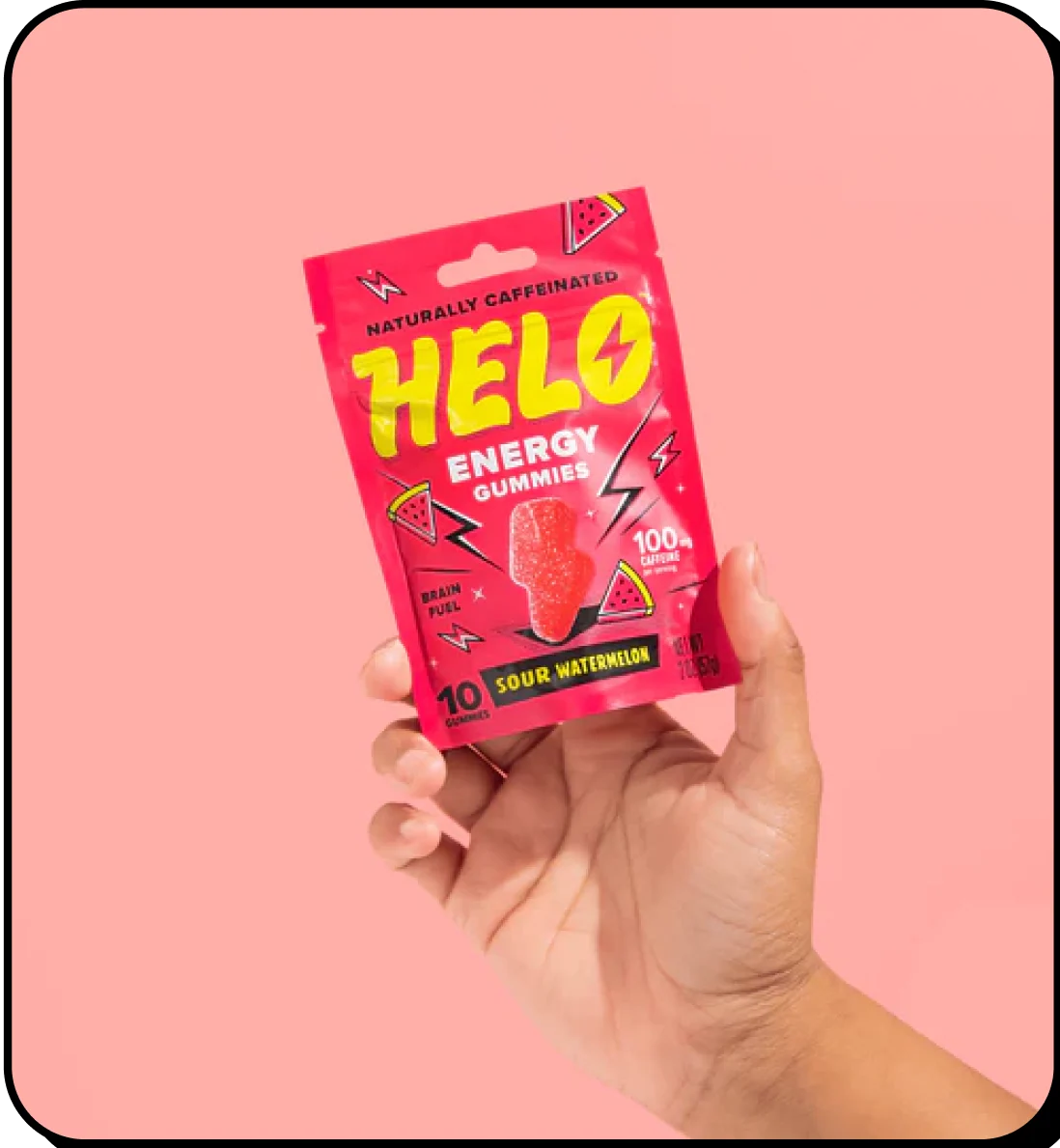
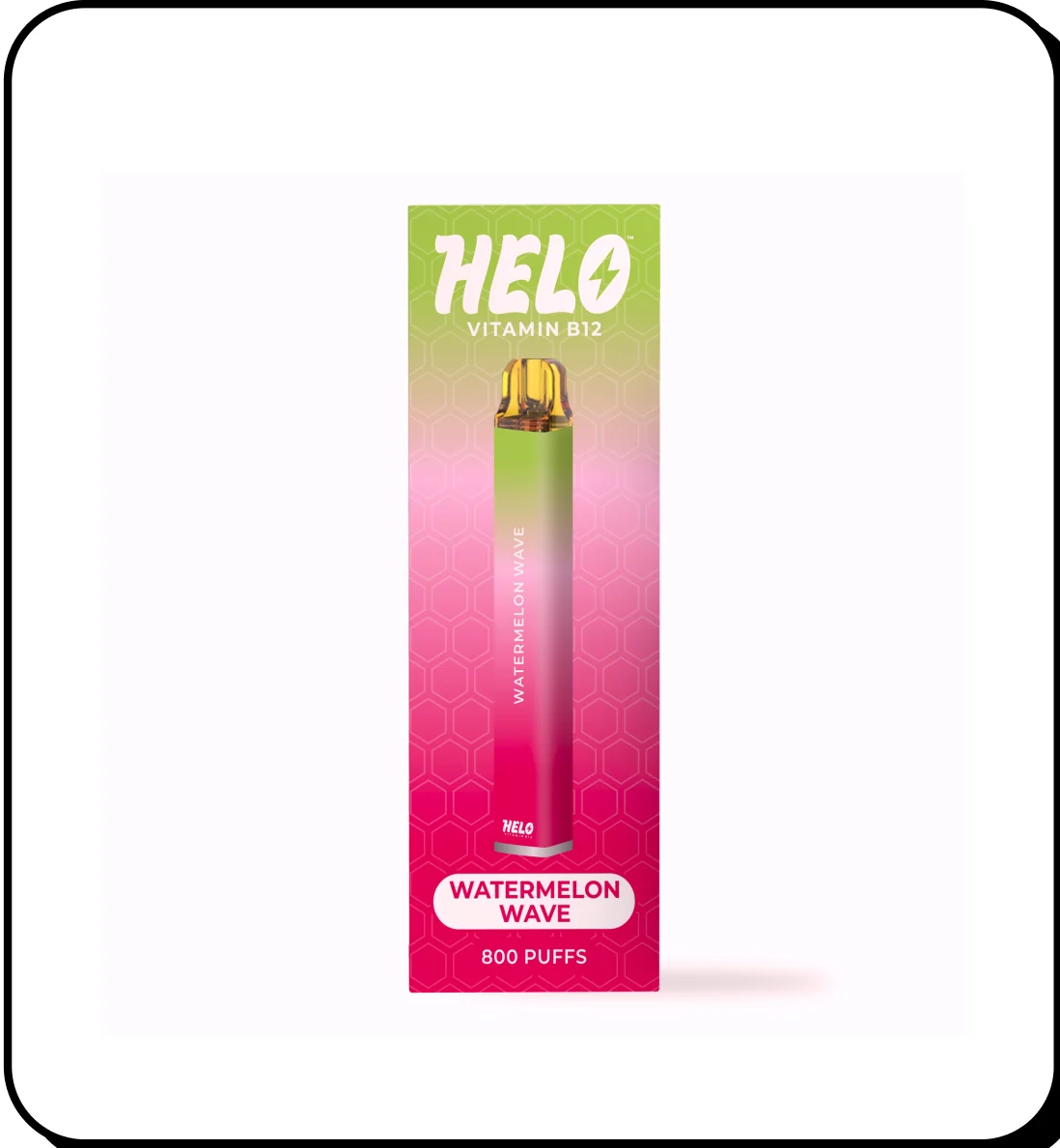
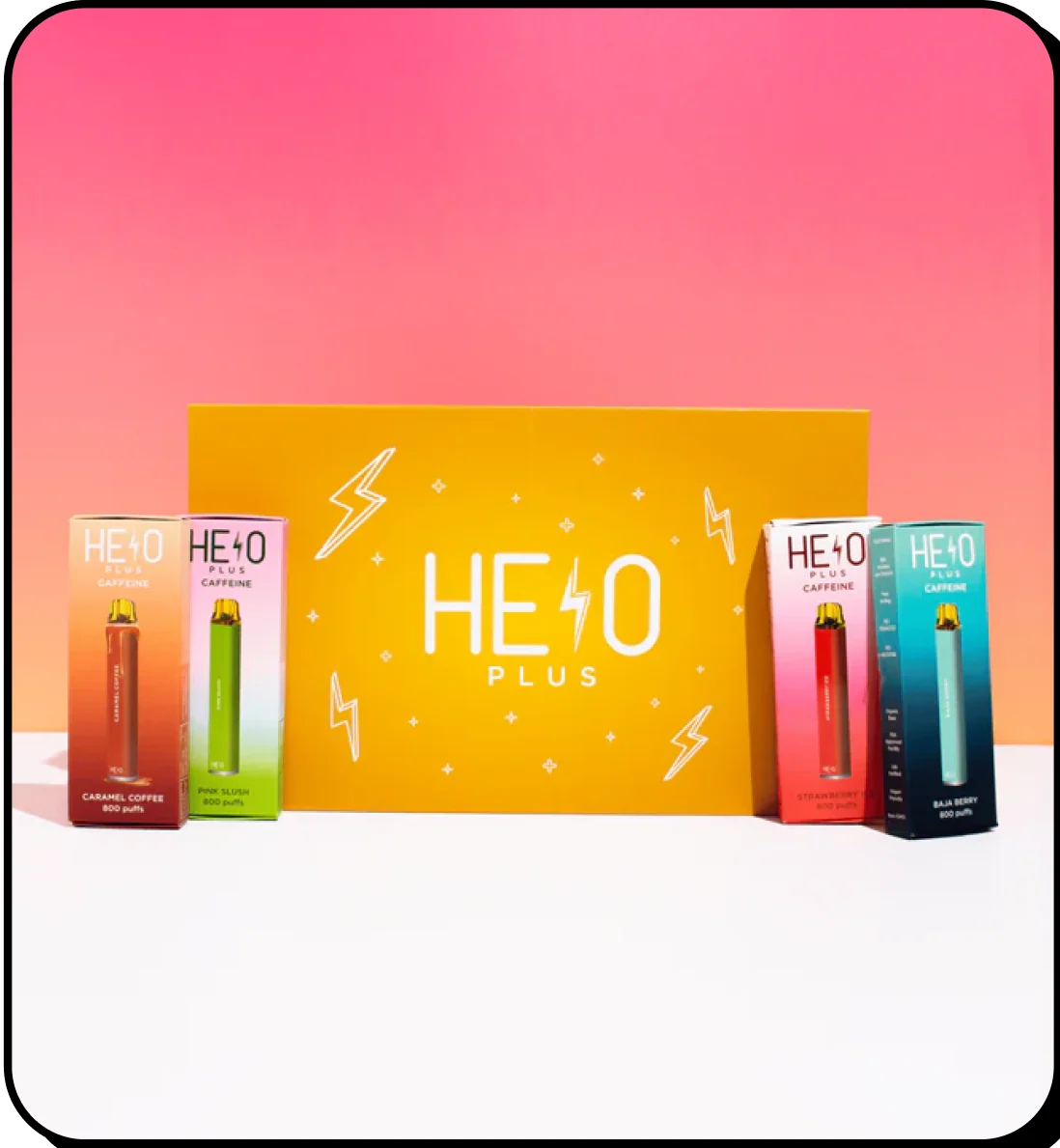
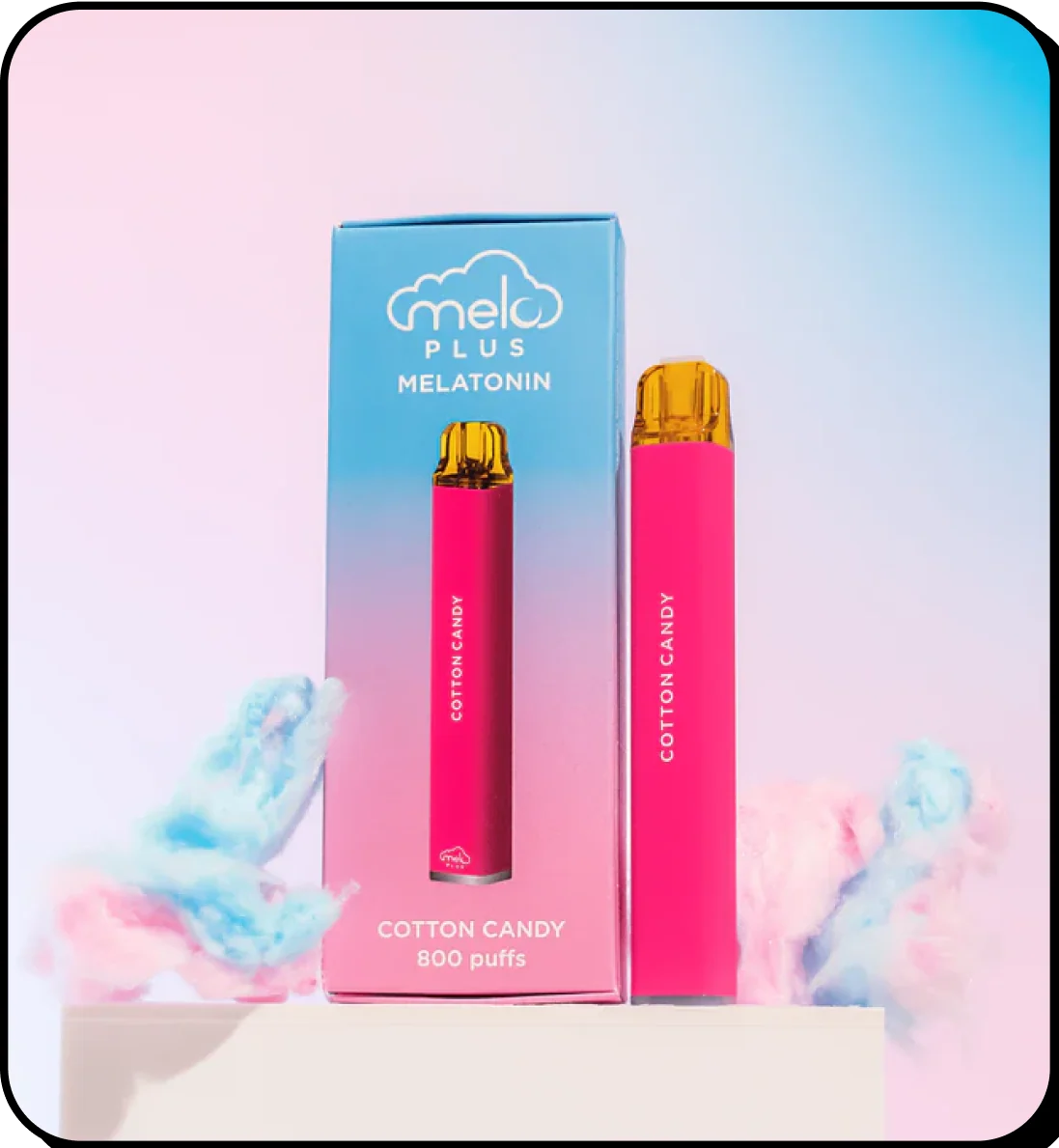
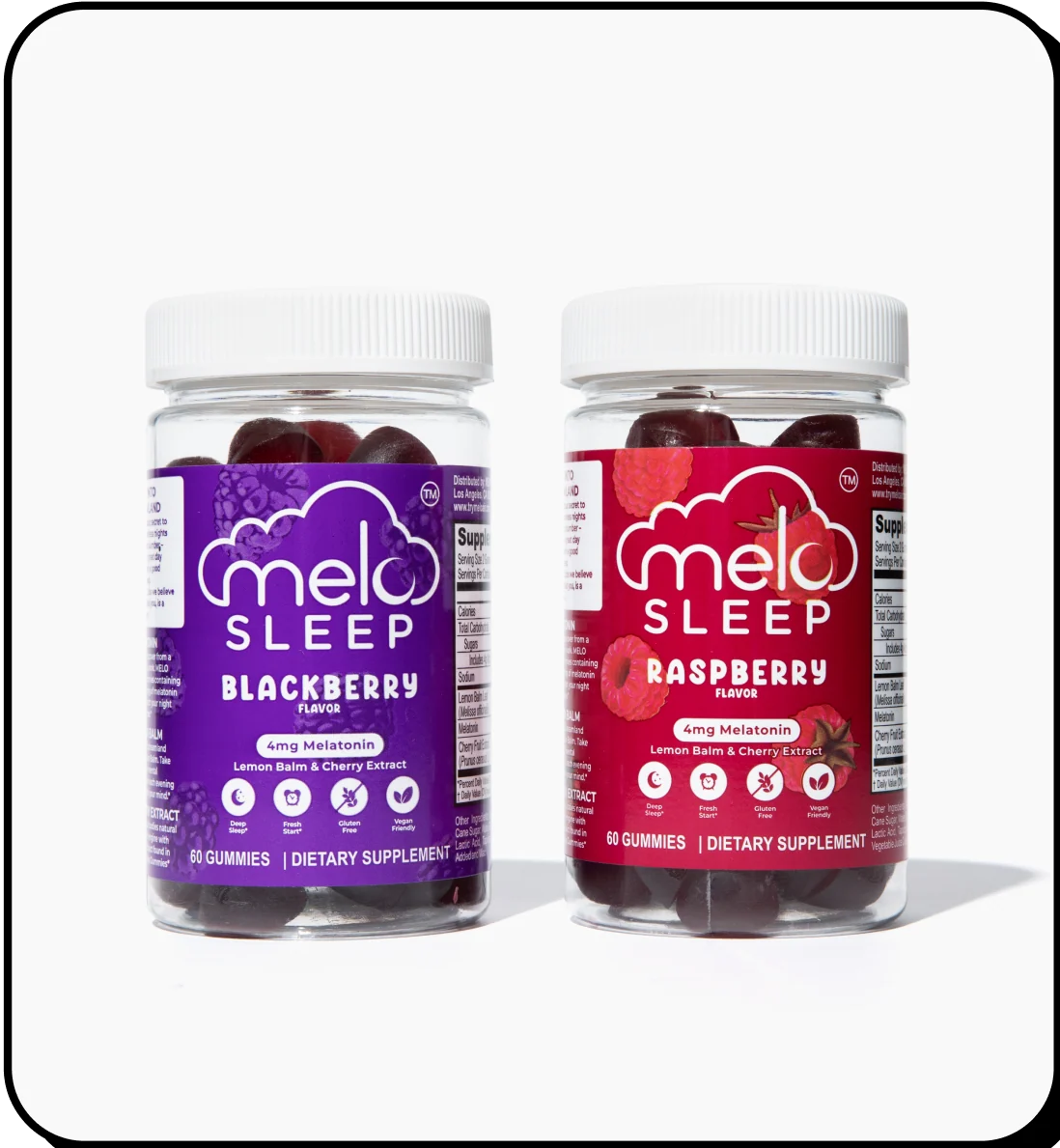
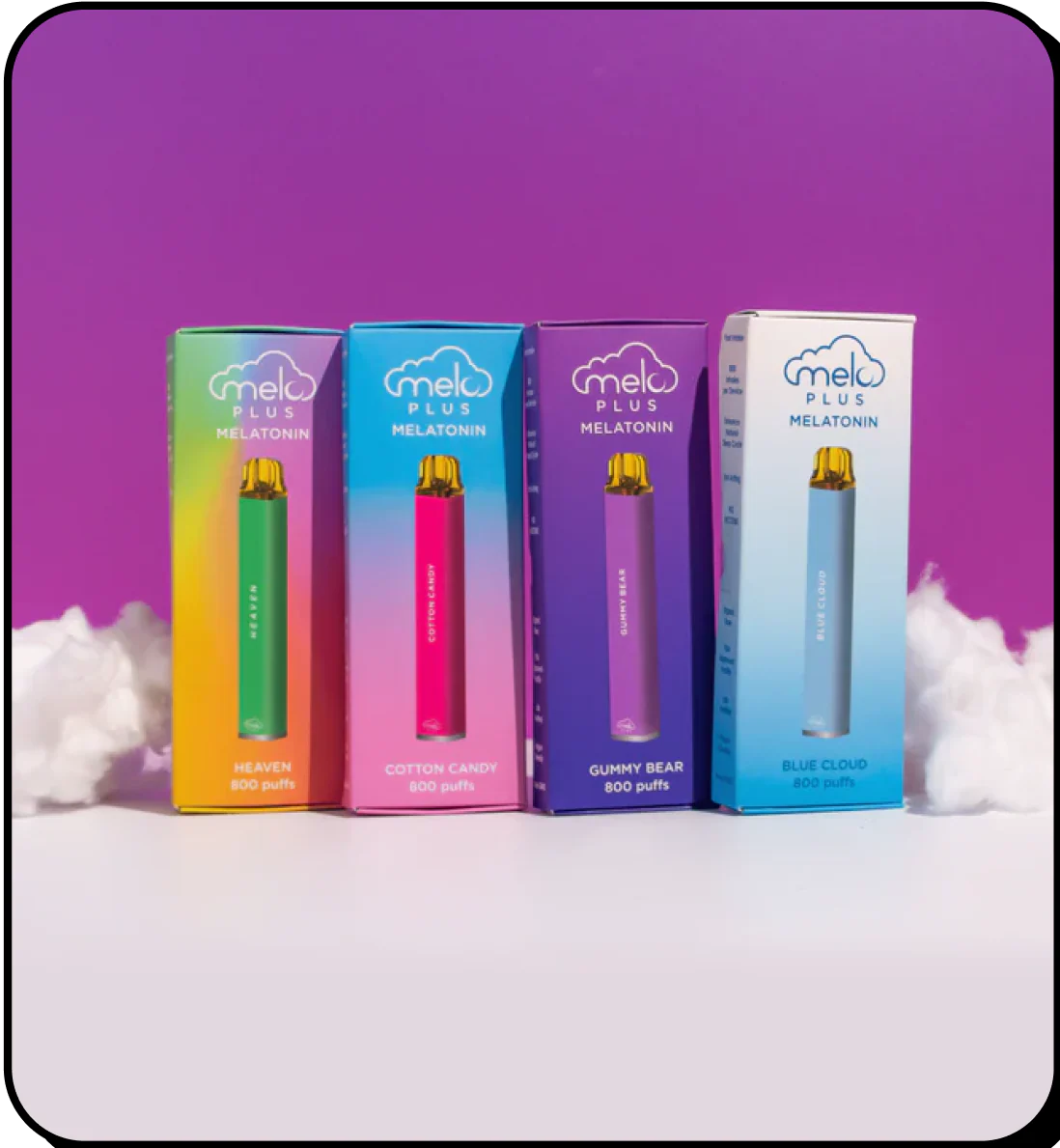
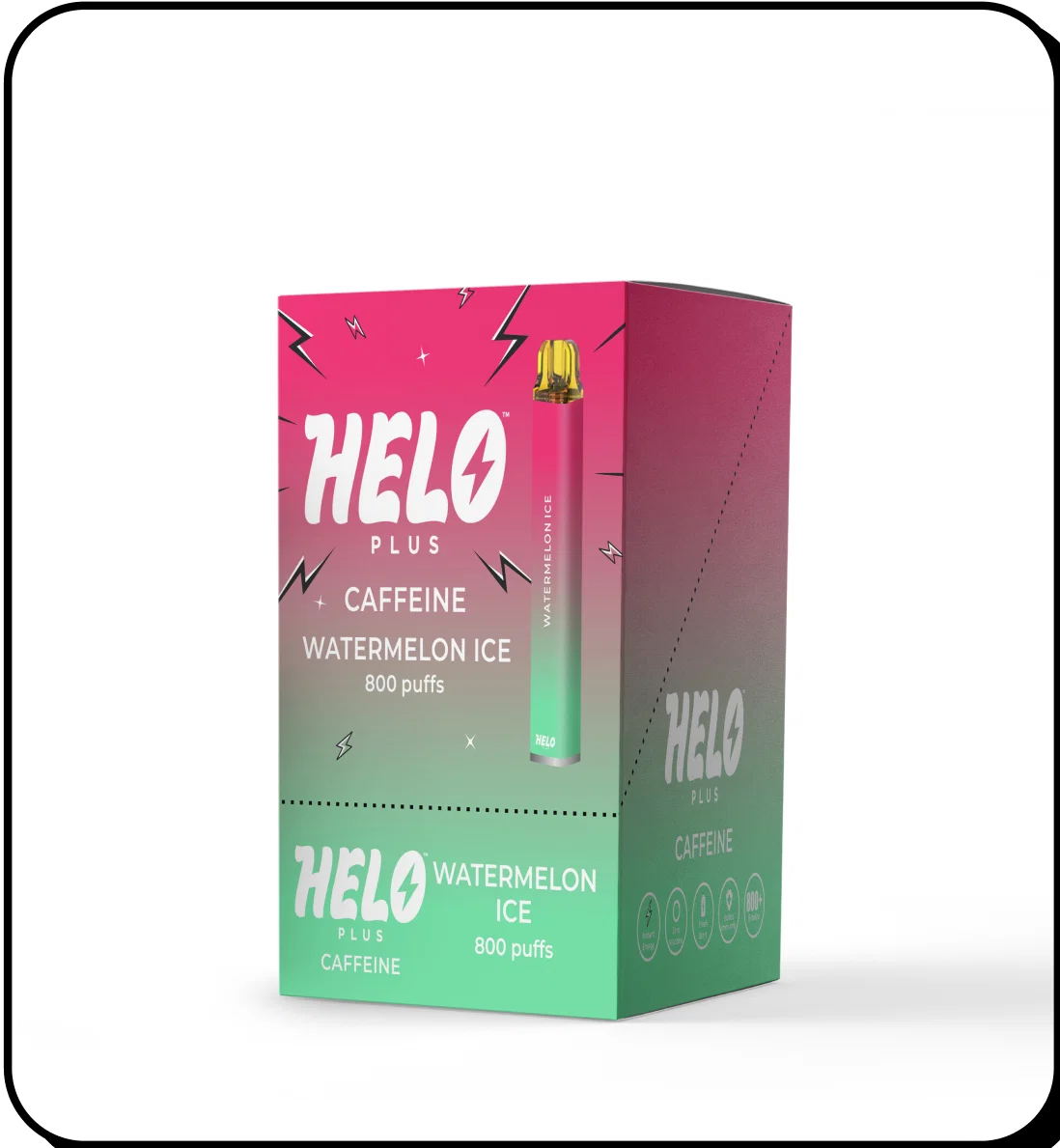
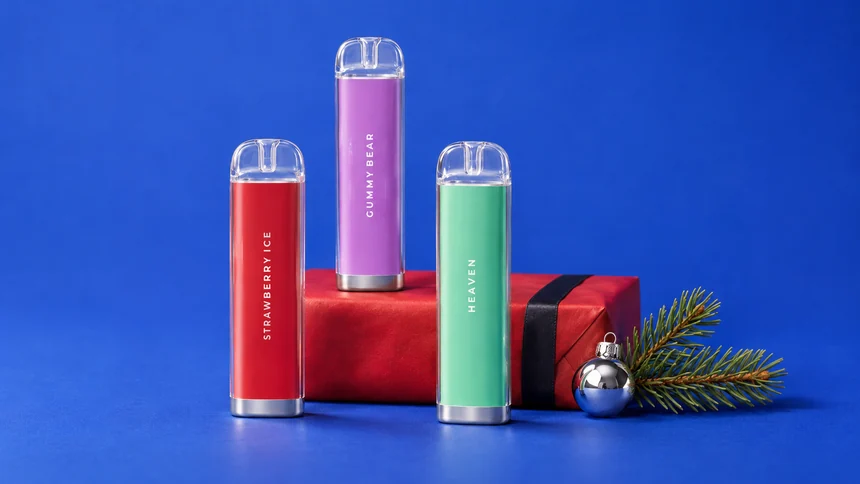
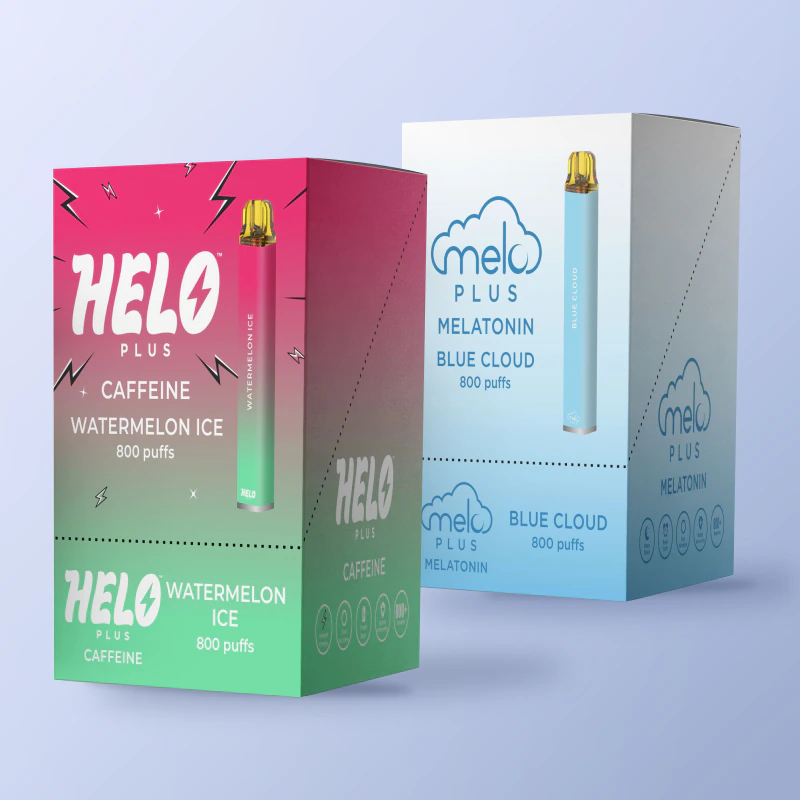
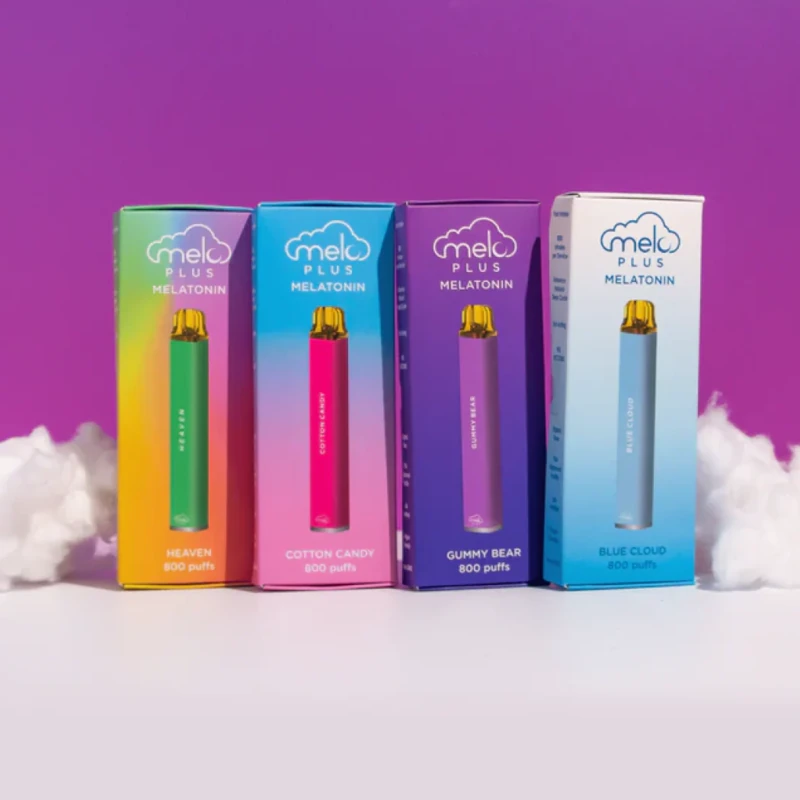
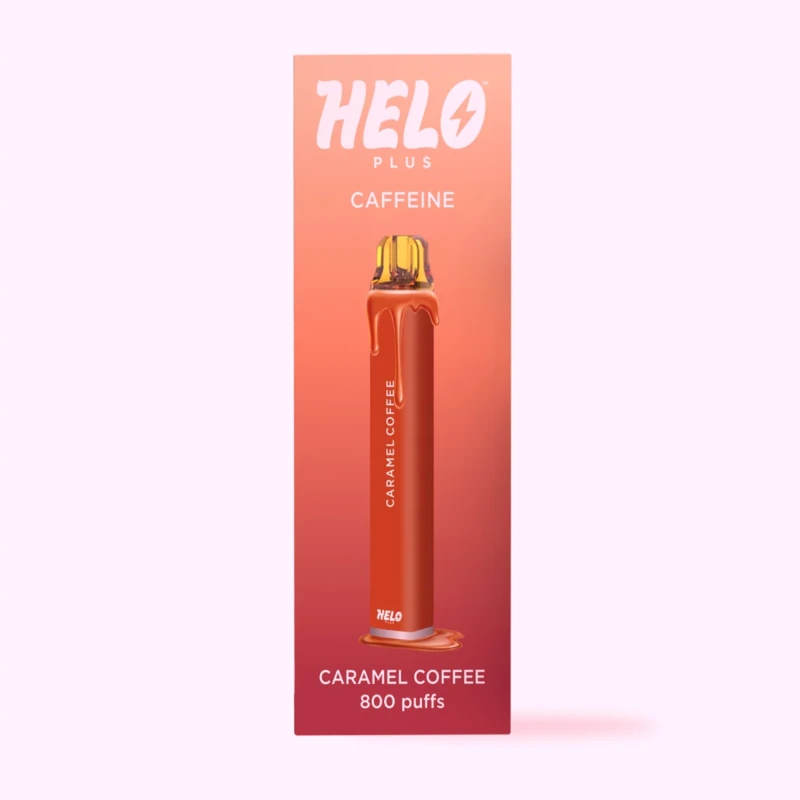
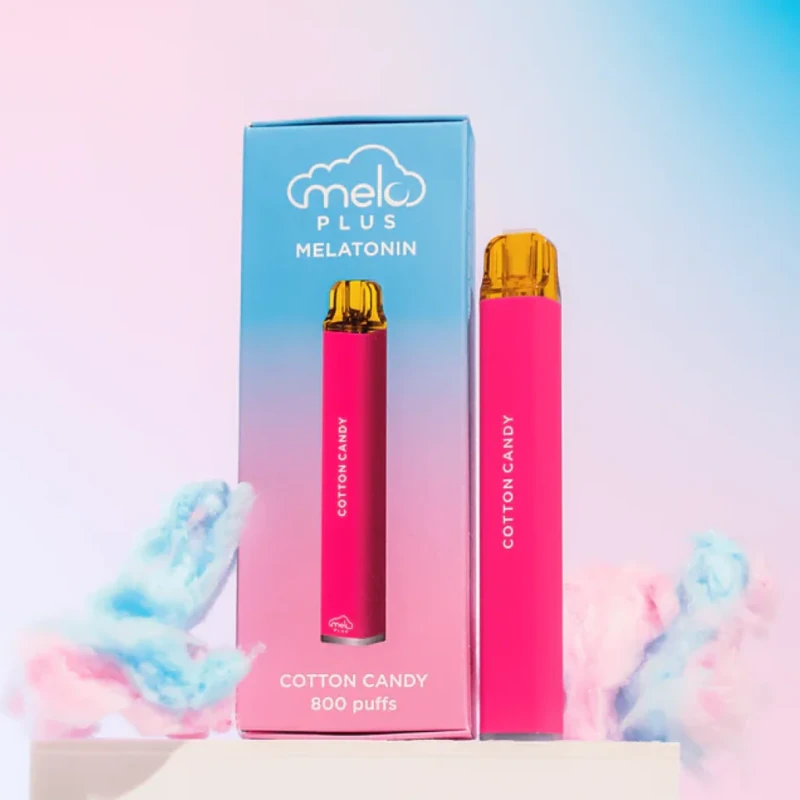
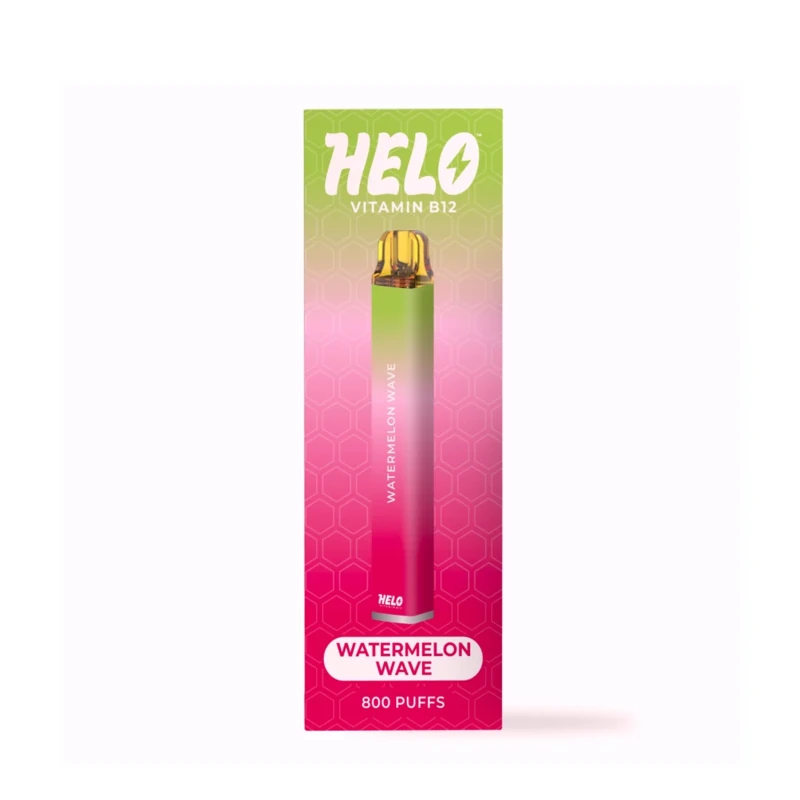
- MELO Labs states that its single-use MELO and HELO disposable diffusers are completely nicotine-free and odorless, giving adults with a low-odor constraint two first-party specifications to compare, not independent proof that nobody will notice a scent in every setting.
What Does Vape Smell Like?
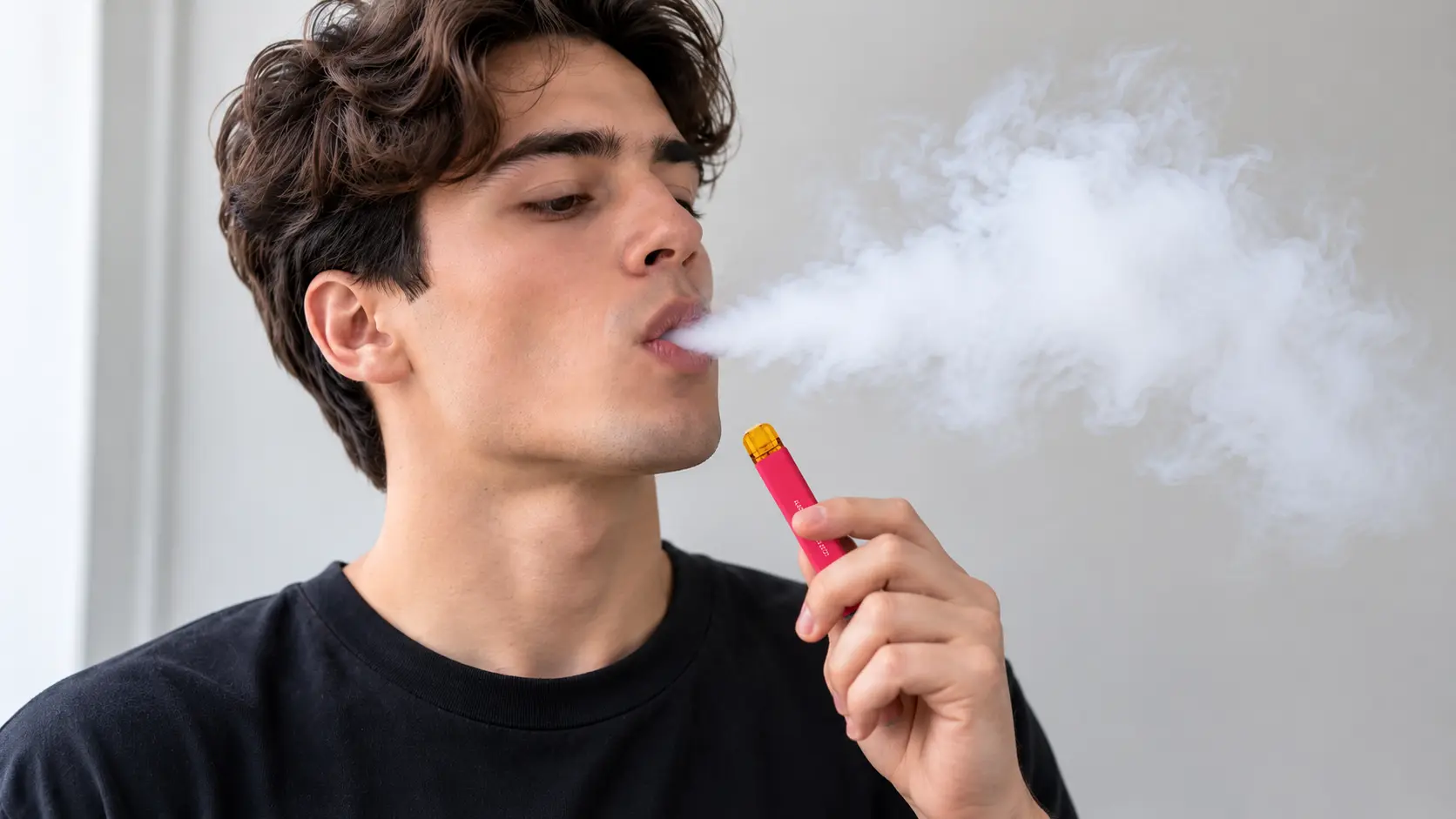
Vape smell varies by flavor and product. Western Australia public-health guidance says exhaled vape aerosol usually lacks a strong odor but may smell sweet depending on the flavor.
In real life, you might notice fruit, mint, coffee, candy, or dessert notes. Those are broad flavor categories, though, not a promise about every device. Distance matters too. A scent that barely registers across a room may be obvious beside the exhale.
Device condition can change the smell as a product is used. Overheating the e-liquid can produce a strong, unpleasant dry-puff taste. The FDA treats leaking, damage, or an abnormal smell or taste as reportable product problems. That is why a new stale, burnt, or harsh note calls for a pause.
The cloud is more accurately called aerosol, not water vapor. The EPA describes e-cigarette aerosol as a mix of tiny particles or droplets created when a device heats a liquid. Odor is one sensory clue, not a complete measure of what is in the air.
Normal Flavor Scent vs. a Burnt or Acrid Smell
An expected flavor scent stays close to the product’s usual profile, but a new burnt, metallic, or acrid note calls for a pause. A dry puff occurs when e-liquid overheats and produces a strong unpleasant taste. Treat leaking, damage, or another abnormal smell or taste as a product problem.
For a sealed disposable, stop using it and follow the manufacturer’s directions rather than opening, refilling, or modifying the device. FDA guidance says to read the manufacturer’s care instructions and contact the maker if they are missing or unclear.
Stop using a device that suddenly smells or tastes burnt, let it cool, and follow the manufacturer’s instructions. Do not keep taking test puffs or try to cover the odor with fragrance. The MELO Labs guide to why a vape tastes burnt walks through device-specific checks and when replacement makes more sense than troubleshooting.
How Long Does Vape Smell Last?
No evidence supports a universal timer for vape smell. The available chamber experiment measured airborne particle decay, not odor duration.
A controlled chamber study found that particle concentrations from the e-cigarettes tested returned to background levels within seconds, unlike the cigarette smoke tested. That result describes airborne particle behavior under specific conditions. It did not measure how long people could smell the aerosol, and several authors had e-cigarette or tobacco-industry affiliations.
Skip the countdown. Check what was used, how often it was used, how much air is moving, and which nearby materials could hold scent.
In a Room or Car
Vaping indoors can leave a smell in a room or car, but no fixed duration applies. EPA odor guidance explains that outdoor-air exchange can flush odors from an indoor space. Repeated use and nearby odor-holding materials vary from one setting to another.
Cars are trickier because the cabin is small and full of fabric, carpet, headliner, and ventilation ducts. Recirculation can keep moving the same indoor air instead of replacing it. A single car timer would ignore too many variables to help.
If the smell bothers you, stop using the device in that space and bring in outdoor air when it is safe to do so. A fresher-smelling cabin is not proof that secondhand aerosol exposure has been eliminated.
On Clothes, Hair, and Skin
Whether vape smell is noticeable on someone’s clothes, hair, or skin depends on exposure and individual sensitivity. The EPA notes that vaping-related chemicals can embed in clothing, but that does not establish a fixed odor duration or prove that another person will notice a smell.
Evidence is clearer for chemical deposition on clothing than for a universal hair or skin odor timeline. Odor perception varies from person to person, so scent alone cannot measure exposure.
For a low-stakes odor fix, air out the item, change clothes, or wash exposed fabric according to its care label. These steps address scent. They should not be framed as health decontamination.
On Furniture, Walls, and Curtains
Vaping-related chemicals can remain on walls, upholstery, and drapes after the visible cloud is gone, but this evidence does not provide a universal odor timer. Soft materials and open air are different environments.
A field study found exhaled e-cigarette aerosol chemicals on materials in one user’s living room and one high-use vape shop. The study covered only two sites and involved nicotine-containing products. It shows that deposition can occur, but it does not establish a universal buildup rate or describe MELO products.
Match the cleaning method to the material. Wash removable fabrics according to their labels, use surface-safe products on hard finishes, and keep liquid away from electronics or finished furniture. The goal is practical odor care, not a promise that one wipe removes every deposited substance.
What Makes Vape Smell Linger Longer?
Vape smell tends to linger longer when more aerosol enters a smaller space with less fresh-air exchange and more odor-holding material nearby. Product flavor and device condition change what the aerosol smells like.
Flavor is the obvious variable. A bold dessert, fruit, coffee, or mint profile may be easier to notice than a faint one. A burnt part can add a harsh note that has little to do with the intended flavor.
Frequency changes the picture too. One brief use in an open area differs from repeated use in a closed bedroom or car. The available sources do not support a fixed effect size for any one factor, so use them as practical checks instead of a countdown formula.
The EPA notes that emissions vary with the device, how it operates, how it is used, and the liquid inside it. That is why a timer copied from a different product or room can sound precise yet tell you very little about your situation.
A side-by-side check is more useful than a borrowed timer. Notice whether the smell eases after use stops and outdoor air enters, whether one flavor is more obvious than another, and whether a harsh new note appears. Those observations can point to the next step without pretending to be lab measurements.
Does Vape Smell Linger Like Cigarette Smoke?
Vape aerosol did not linger like cigarette smoke particles in the controlled chamber study, but that result does not establish a universal odor ratio. The tested e-cigarette particles were liquid droplets that dispersed rapidly, while the tested cigarette smoke particles were more stable.
The measured particle difference does not prove vape odor always disappears in the same proportion, nor does it establish that vaping leaves no residue.
The difference is often noticeable without being absolute. The tested particles dispersed faster, yet scent can still depend on flavor, repeated use, airflow, and nearby fabrics.
Can Vape Residue Remain After the Smell Is Gone?
Yes, surface deposition is possible after the noticeable smell fades. Odor perception, airborne particle levels, and residue on a surface are separate measurements, so your nose cannot confirm that all three have reached zero.
The two-site field study detected residue chemicals on materials collected from a living room and a vape shop. Its nicotine findings apply to the products and sites studied. They cannot be transferred to a nicotine-free product or used to claim that every room develops the same residue.
So “I can’t smell it anymore” reports one person’s perception at one moment, not an exposure measurement.
How to Clear Vape Smell Without Confusing Odor With Exposure
To get rid of vape smell, stop using the device in the enclosed area, then bring in outdoor air when conditions allow. Wash odor-holding fabrics, wipe compatible hard surfaces according to their care instructions, and maintain or replace HVAC and air-cleaner filters on the schedule their manufacturers provide.
Start with the obvious odor holders. Air the room, wash fabrics that can safely go in the laundry, then wipe suitable hard surfaces. Fragrance sprays only pile one smell on top of another.
The EPA says ventilation, filtration, and air cleaning may reduce indoor substances, but stopping e-cigarette use inside or near an enclosed space is the only way to eliminate secondhand exposure there.
Odor control is still useful. It has a narrower job than exposure control. MELO Labs’ guide to whether nicotine-free vapes are safe offers broader risk context if the smell question is part of a larger product decision.
Choosing a Low-Odor, Nicotine-Free Option
Choose among nicotine-free vapes by checking exact product specifications instead of assuming every vape shares the same scent or nicotine profile. Compare nicotine content, odor description, device format, ingredient disclosure, use instructions, and the quality of the evidence behind each claim.
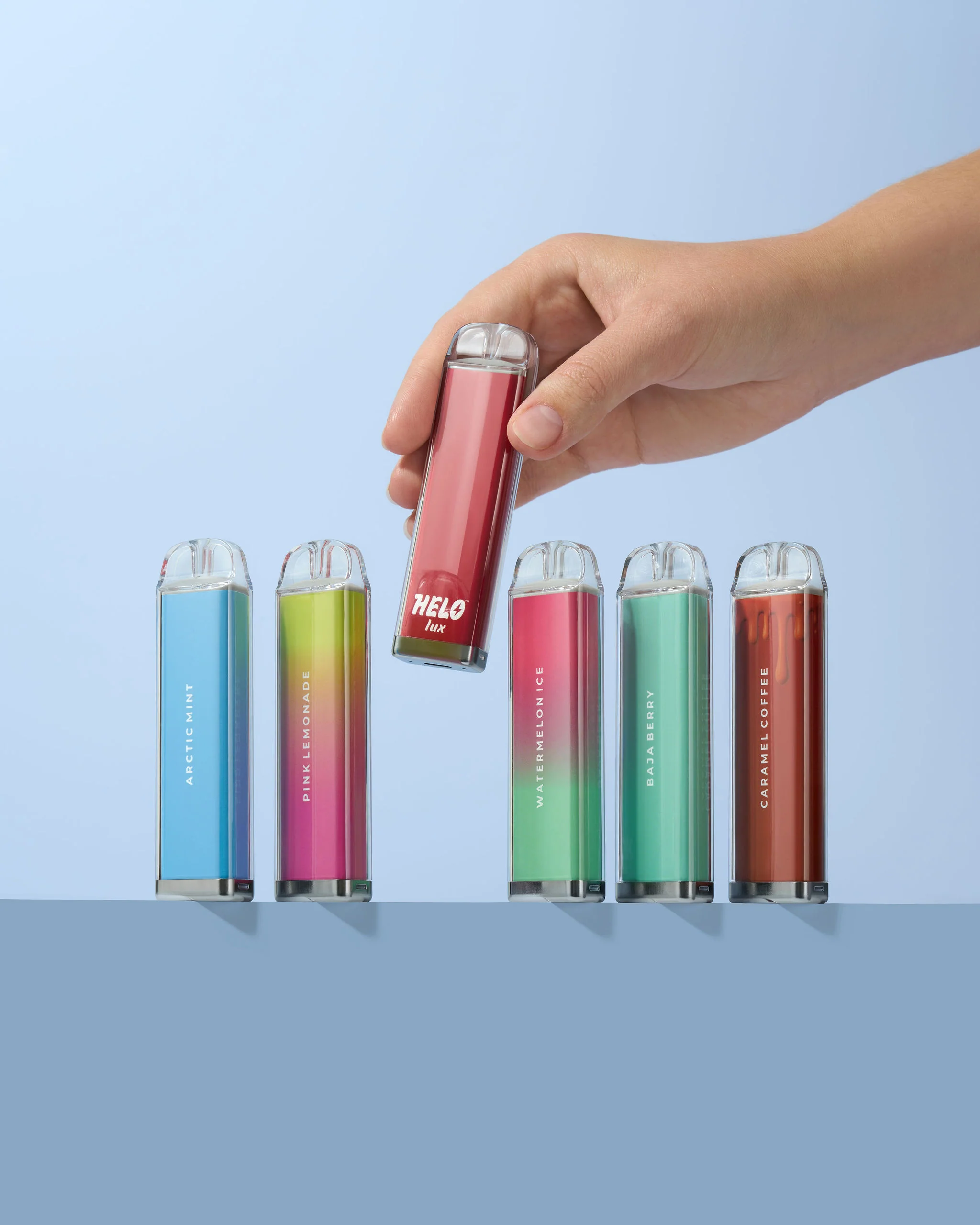
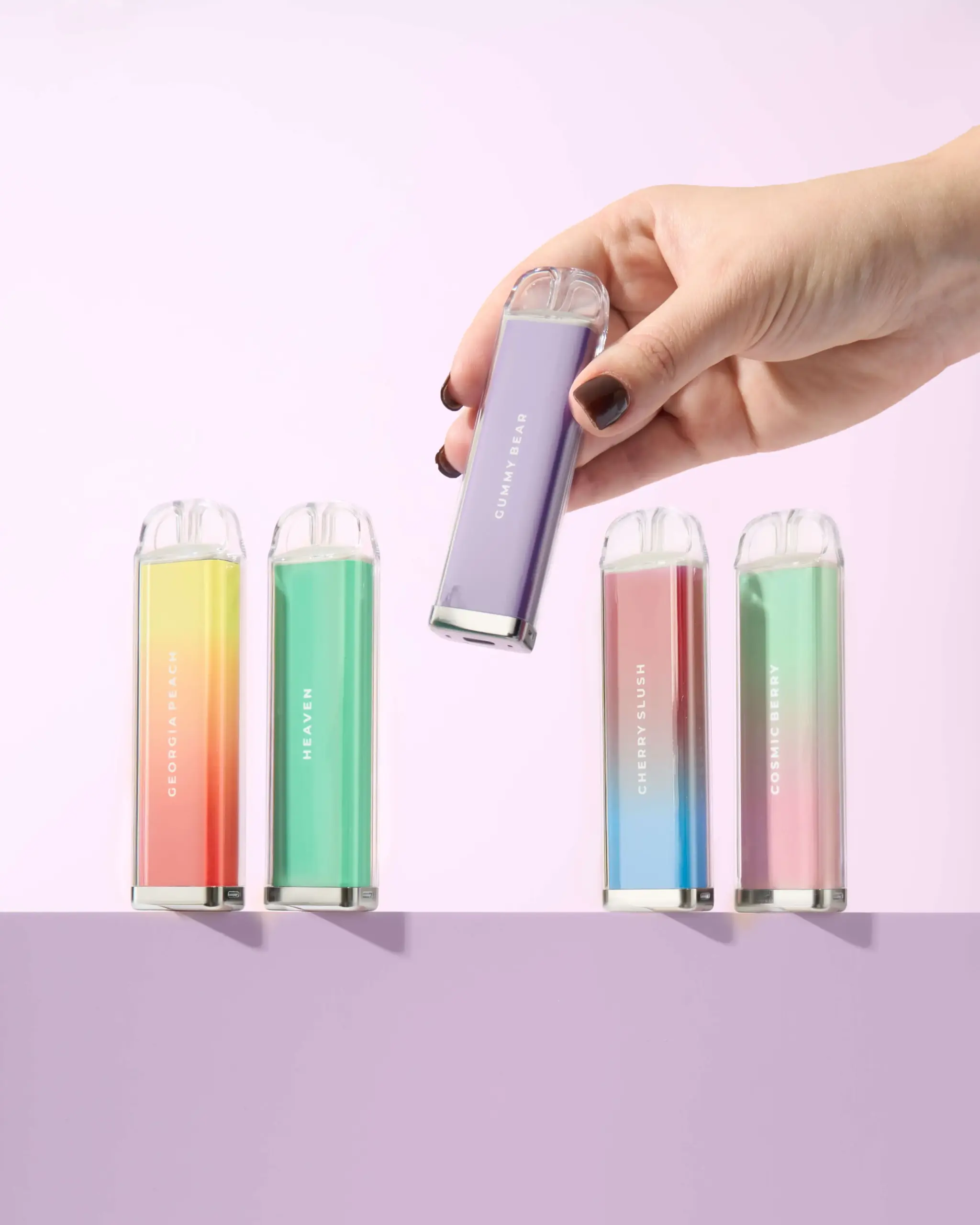
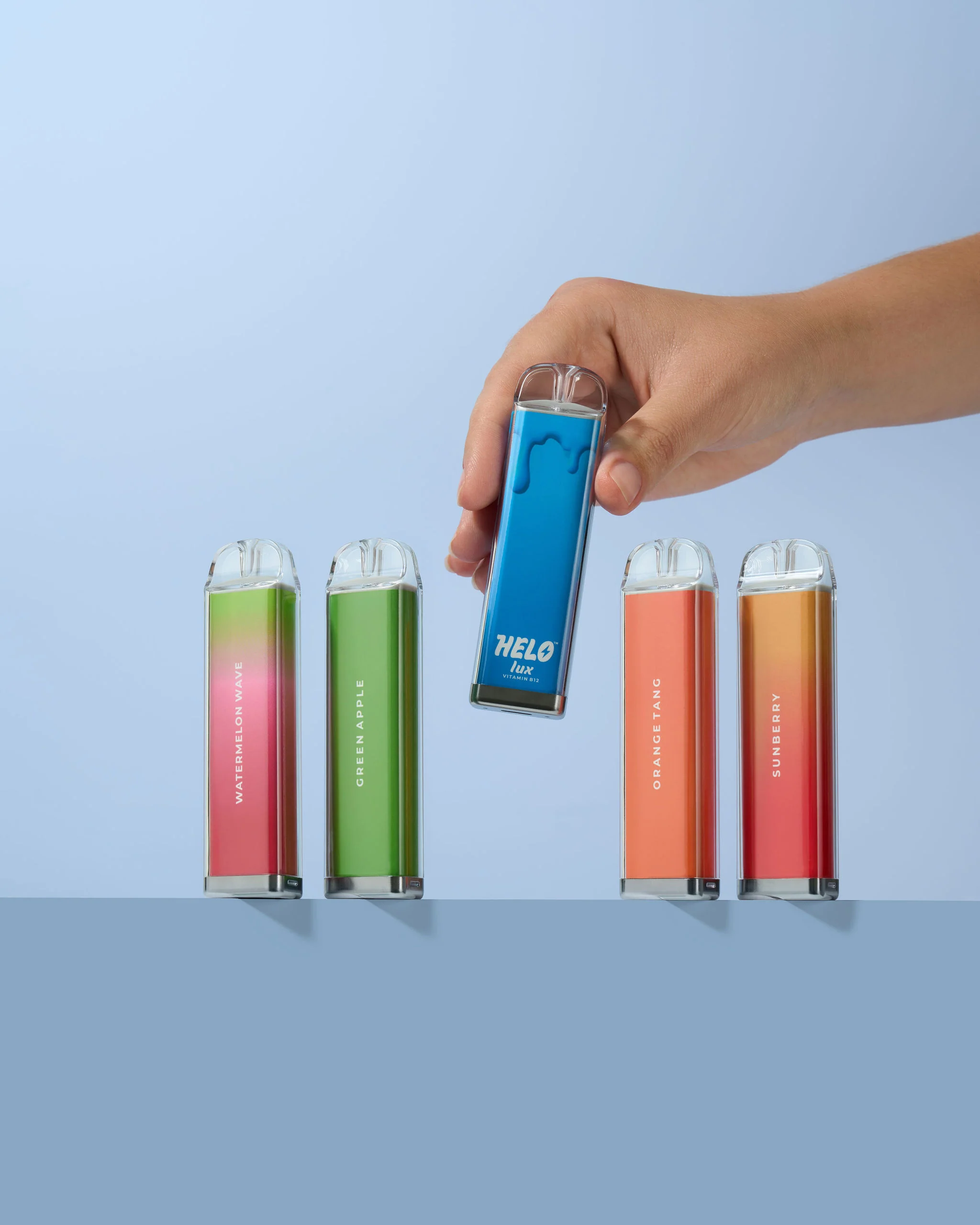
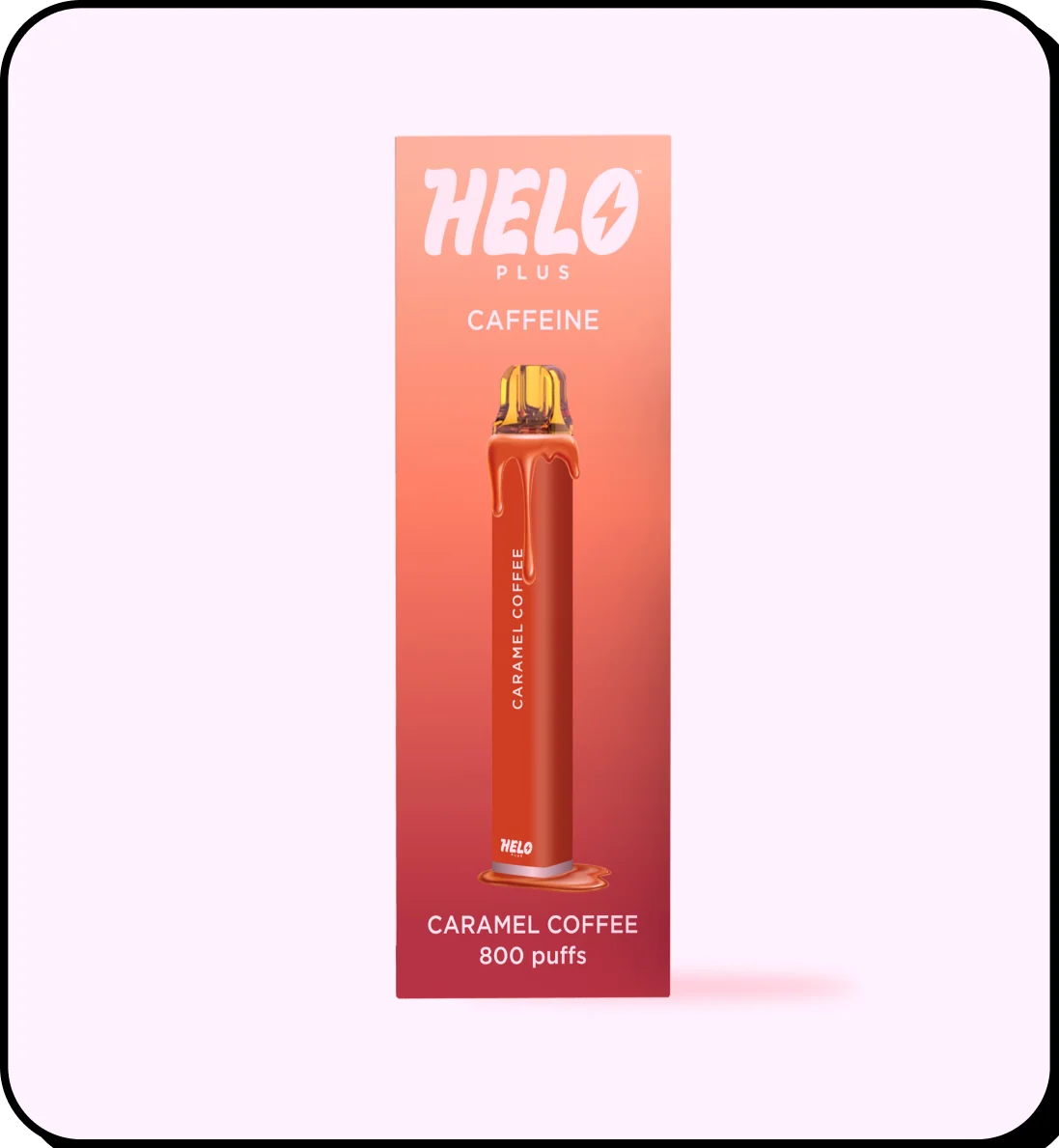
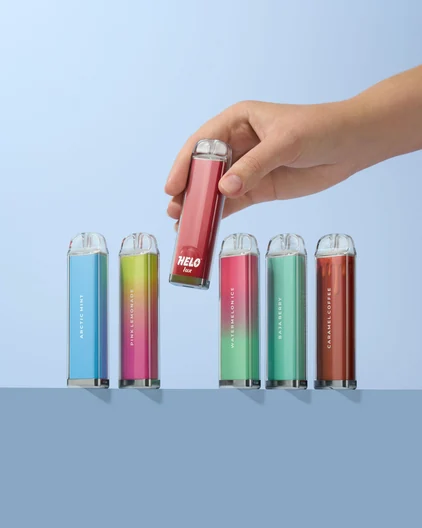
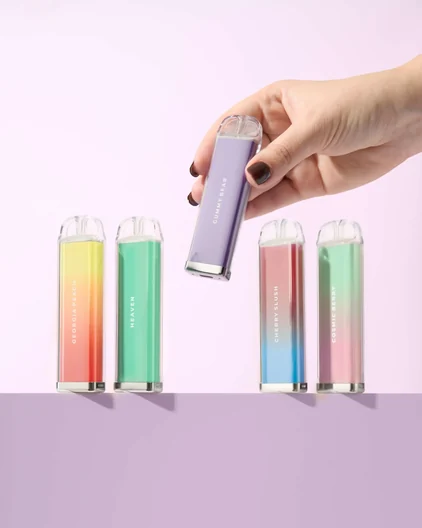
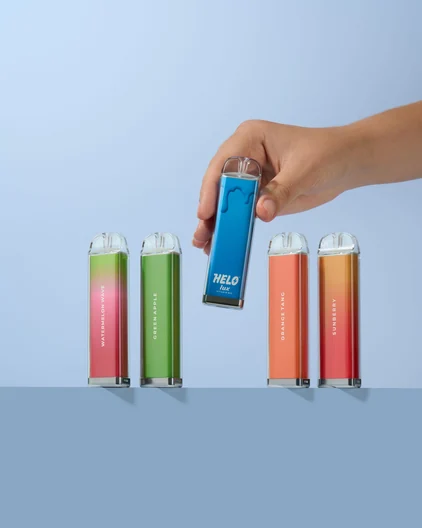
MELO Labs sells MELO and HELO disposable diffusers to adults comparing nicotine-free formats. Its current collection describes each 800-puff device as “single-use, portable, and odorless” and says the line is “completely nicotine-free.” For readers who treat lingering scent as a deal-breaker, those labels create two concrete screening points, the stated odor profile and nicotine content.
These are MELO Labs’ own product descriptions. The supplied client materials do not include an independent room test, residue test, odor-detection study, or product-specific nicotine assay, so the wording cannot promise that nobody will notice a scent in every setting.
That tradeoff is simple. An odorless specification can narrow a shopping list, but it cannot stand in for independent testing or predict every room, user, flavor, and nose. If low odor is a deal-breaker, read the exact claim, check the use directions, and decide whether the evidence matches the importance of that constraint.
Ingredient disclosure is another part of the decision. The MELO Labs guide to no-nicotine vape ingredients can help you identify what a product page should explain before you compare formats, flavors, and instructions.
What to Remember About Vape Smell
Vaping can smell, and both intensity and duration vary. Treat a new burnt smell as a device warning, indoor odor as a ventilation and use-location issue, and a low-odor claim as a product specification with evidence and limits worth checking.
If scent is only one part of your decision, start with MELO Labs’ guide to the pros and cons of vaping without nicotine. Use its wider look at the ritual and tradeoffs before comparing disposable formats, then check each product’s stated nicotine and odor specifications against your own priorities. That keeps a low-odor claim in its proper role as a buying detail, not a health promise.