
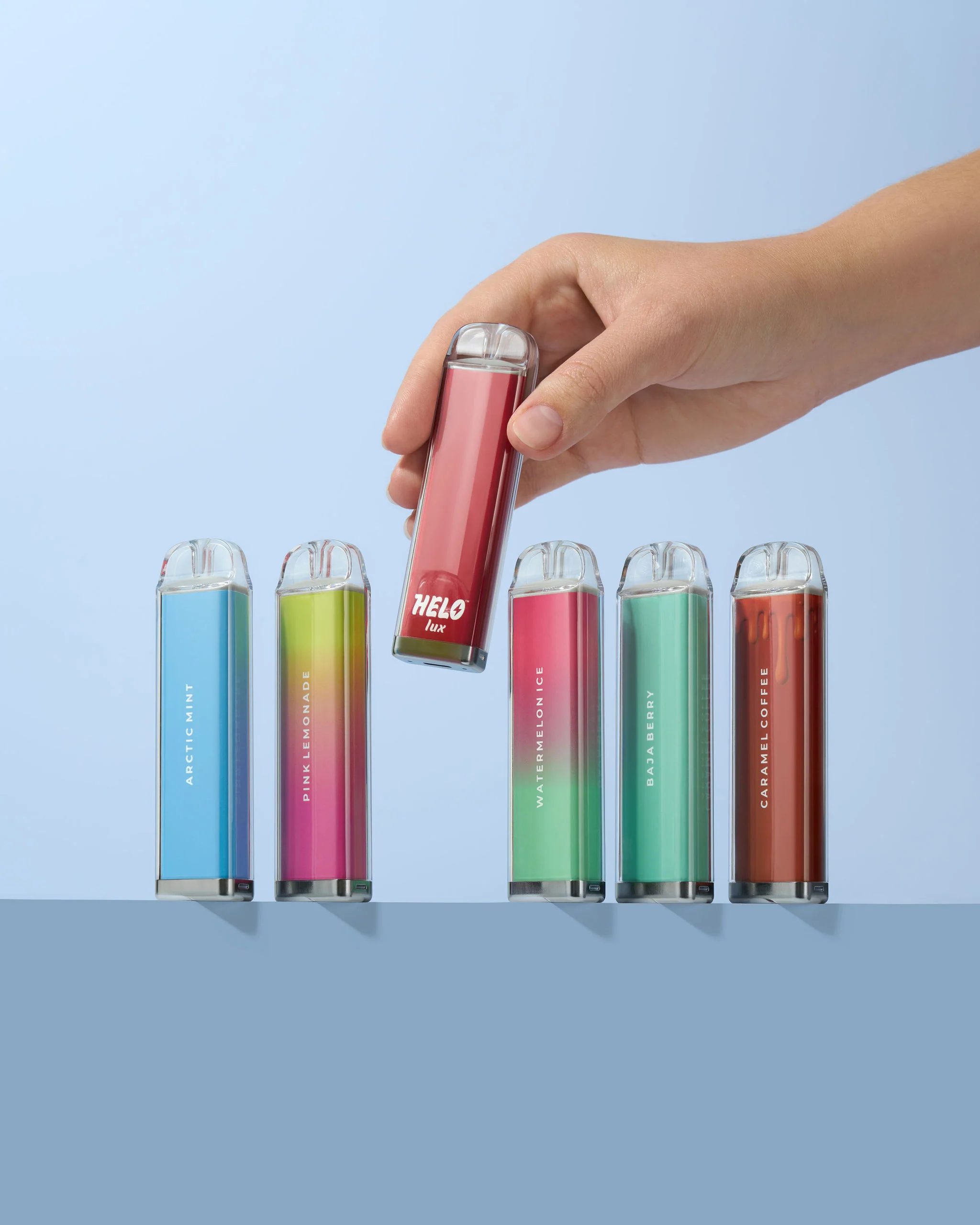
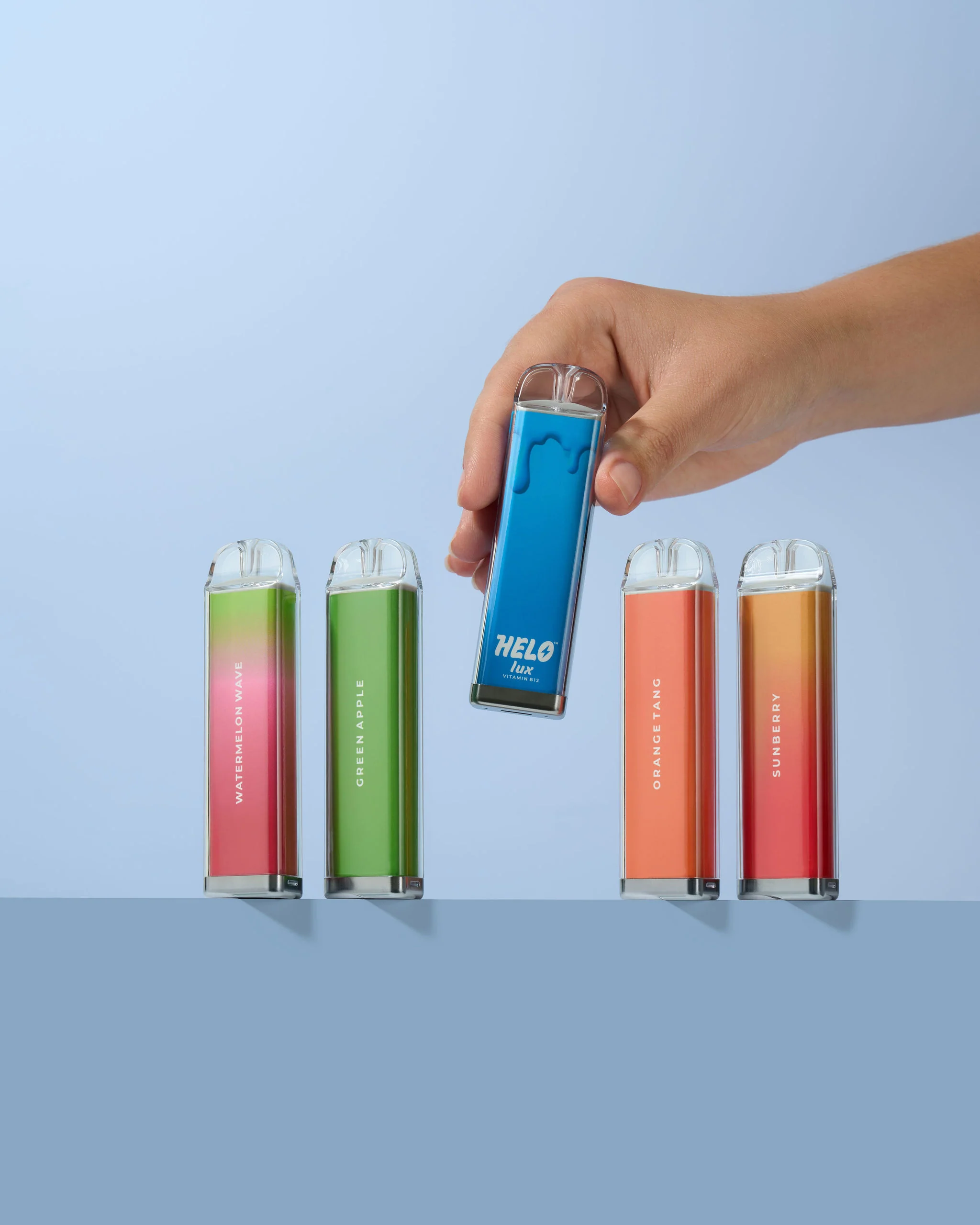
Are Nicotine-Free Vapes Safe?
Are nicotine-free vapes safe? The short answer is no, they are not risk-free. While they remove nicotine, vaping still exposes your lungs to chemicals and fine particles that can cause irritation. Major health groups do not recommend vaping for non-smokers. It is not a harmless habit.
Understanding these specific risks helps you make a better choice for your health. We will look at what current research says about these devices.
Keep reading to learn how their risks compare to other options.
TLDR? Here’s A Quick Read
Nicotine-free vapes still expose your lungs to chemical aerosols and flavorings. These can cause lung irritation and inflammation.
The long-term effects of inhaling vape ingredients are still unknown. We do not know the impact of decades of use.
Health authorities advise against starting any form of vaping. This advice includes nicotine-free products for non-tobacco users.
What Are Nicotine-Free Vapes?
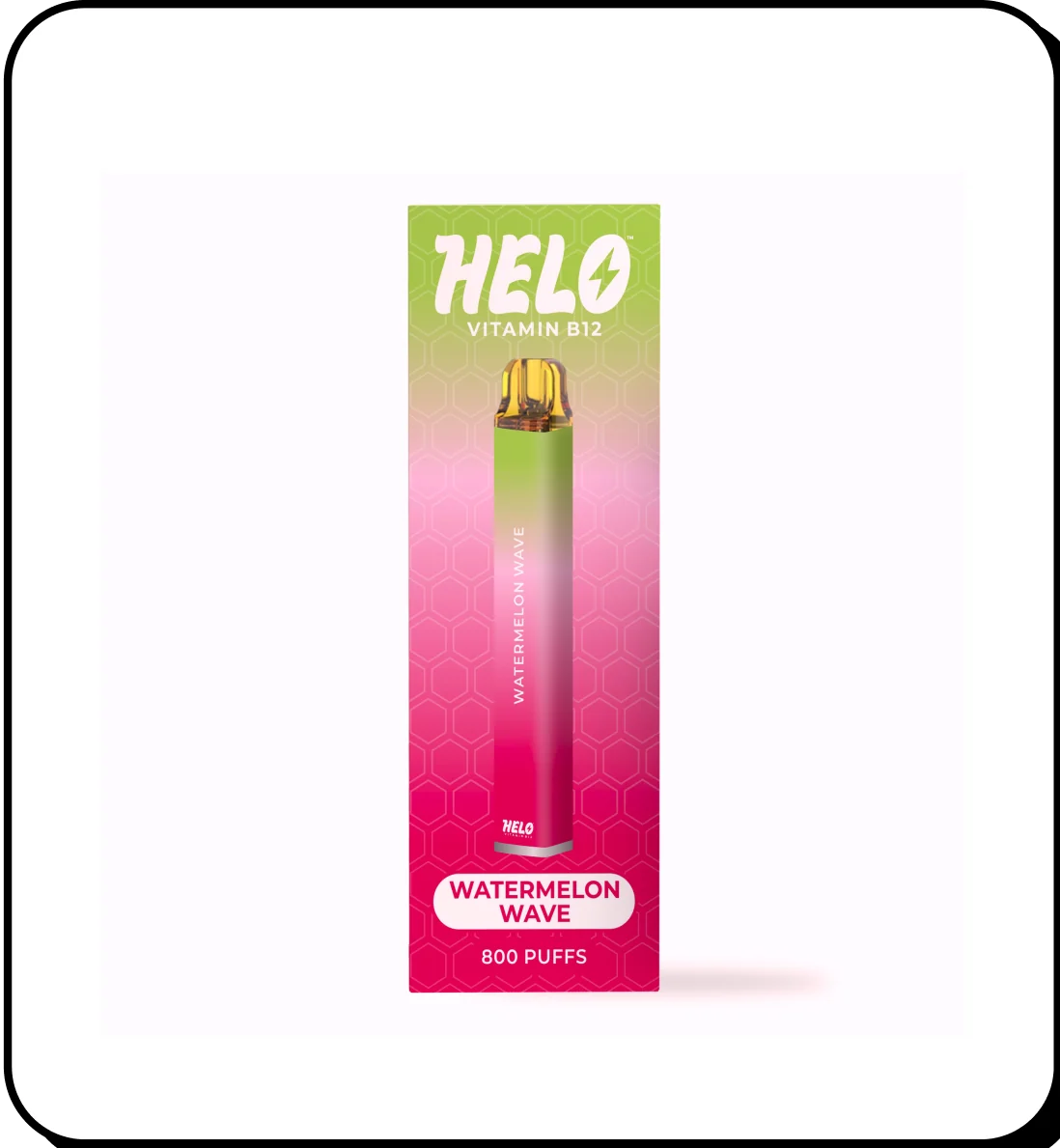
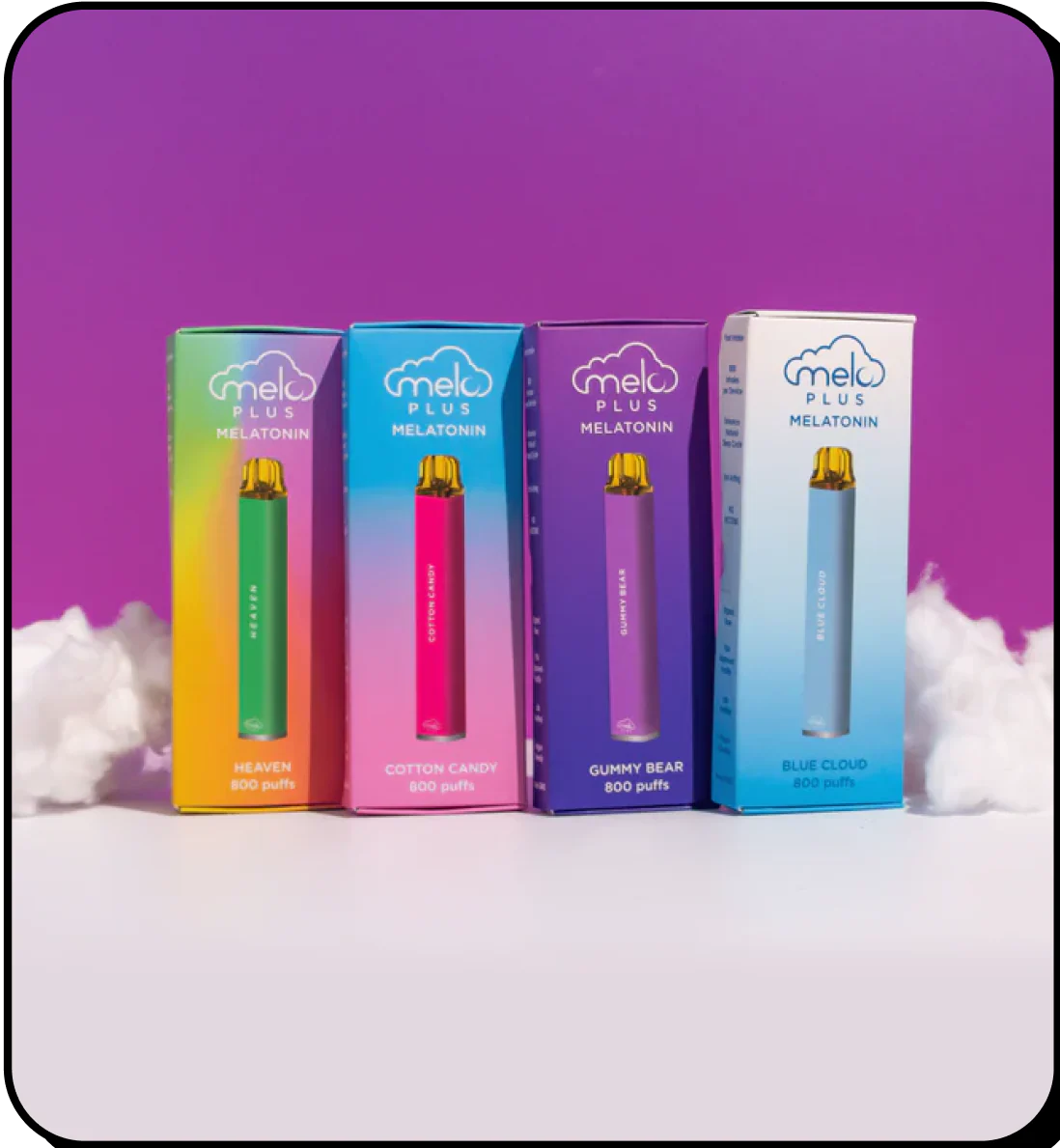
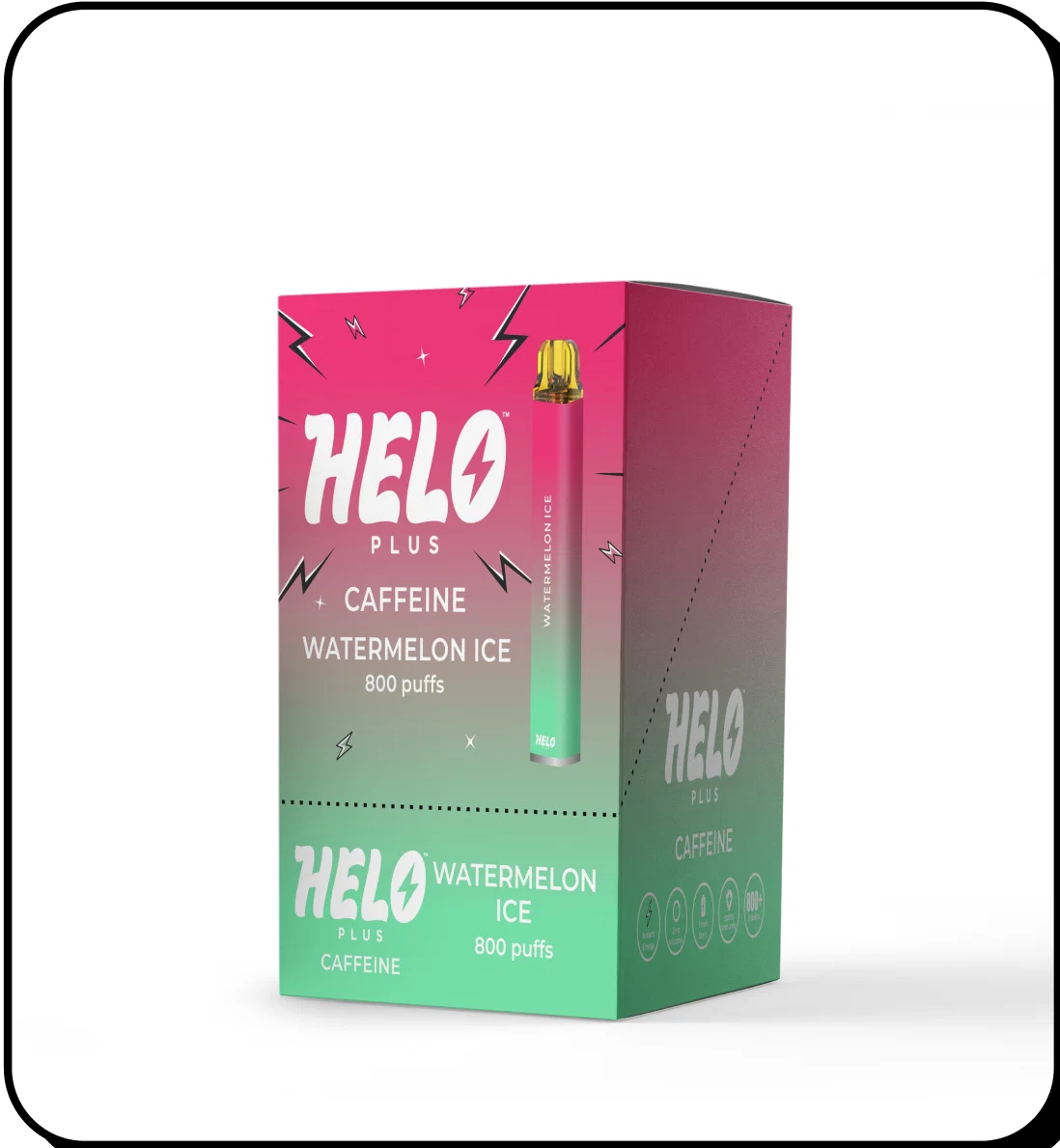
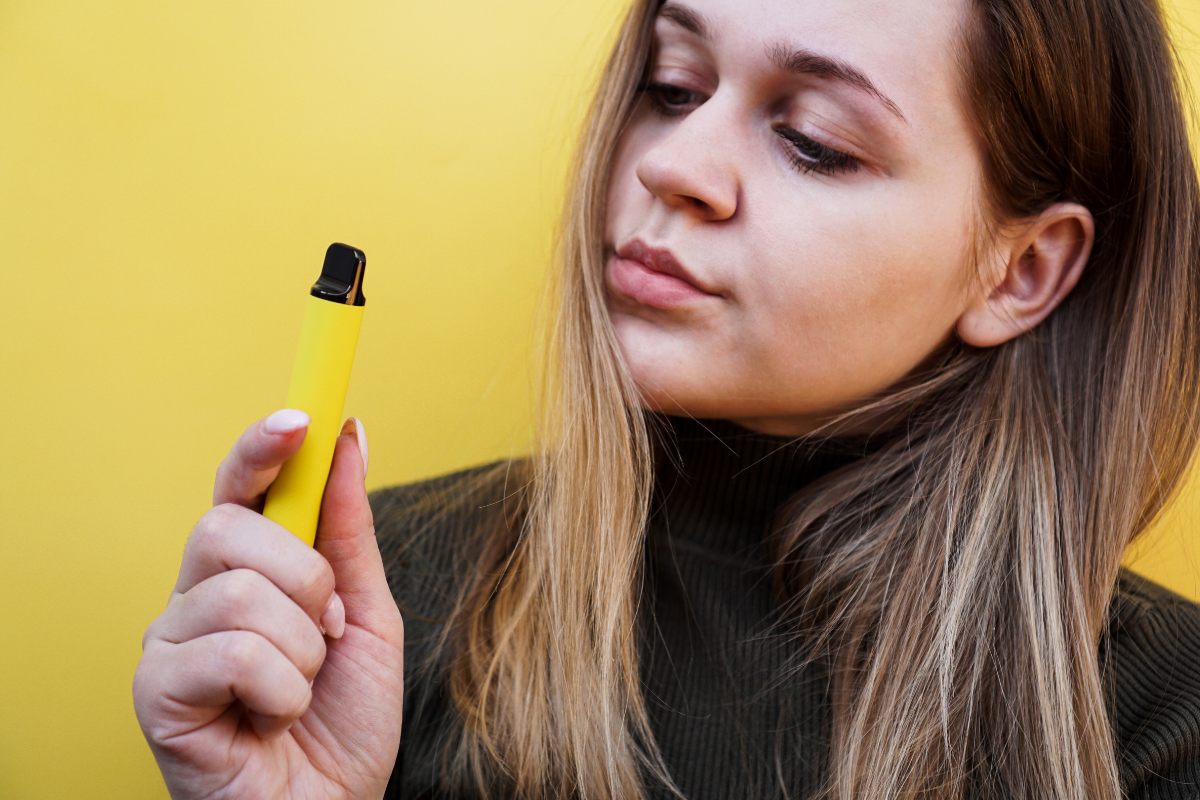
Nicotine-free vapes are electronic devices that heat a liquid to create an aerosol you inhale. This liquid is often called vape juice or e-liquid. It typically has a base of propylene glycol and vegetable glycerin, along with added flavorings.
The key difference from other vapes is the absence of nicotine. Nicotine is the addictive substance found in regular cigarettes and many standard e-liquids.
Many people think removing nicotine makes vaping safe. This is not entirely accurate. The process of heating and inhaling the chemical mixture is a separate concern. If you’re considering nicotine-free vape pods, it’s important to understand that removing nicotine doesn’t eliminate all health risks.
So are the long-term effects of those chemicals on your lungs. These products have not existed long enough for studies that span decades.
Common device types include:
- Disposable pods: Small, single-use devices.
- Rechargeable mod systems: Larger, refillable devices.
Despite the variety in design, they all work on the same principle. They create an inhalable aerosol from a liquid mixture.
How Vaping Works – Even Without Nicotine
All vaping devices operate on the same basic principle. A battery powers a small heating element, known as a coil. This coil heats the vape liquid until it turns into a fine mist for inhalation. Unlike smoking, vaping heats liquid instead of burning tobacco. This process is often called aerosolization.
Now, let’s look at what’s in the liquid. The main ingredients in nicotine-free vape juice are propylene glycol (PG) and vegetable glycerin (VG).
These substances are considered safe in foods and cosmetics, but their long-term safety for inhalation is less certain. Flavorings are added to create tastes like fruit or candy. These flavorings are complex chemical compounds designed for taste, not for breathing in.
Here is the important part. A label that says “0% nicotine” only refers to that one substance. It does not change the basic process. You are still heating and inhaling the mixture of PG, VG, and flavorings into your lungs.
The device still produces an aerosol containing ultrafine particles. These particles can penetrate deep into the lung’s alveoli. Alveoli are the tiny air sacs where oxygen exchange happens.
Health Risks of Nicotine-Free Vaping
Research on vaping without nicotine is ongoing. The inhaled mist is not just water vapor. It contains very small particles that can go deep into your lungs. These particles can irritate your airways and lung tissue. This irritation is not just a temporary feeling. It is a physical response to a foreign substance.
When the vape liquid heats up, it can create various chemicals. Scientists are still studying what these chemicals are and what they do.
Using a vape can have immediate, short-term effects on the body. Understanding these ingredients in nic-free vapes is crucial for making informed decisions about their safety.
Lung and Airway Irritation
Inhaling heated propylene glycol and vegetable glycerin can irritate your mouth, throat, and airways. These substances are hygroscopic, which means they absorb water. This can lead to a dry mouth, a persistent cough, or a sore throat.
This feeling is sometimes called the “throat hit.” This irritation shows your airways are reacting to inhaled substances.
This irritation is more than just a minor issue. It could potentially increase the risk of respiratory infections. This happens by affecting the protective lining of the airways. The mucous membrane and cilia that protect your lungs can be impaired by constant exposure to these drying, irritating agents.
For people with existing conditions like asthma, vaping might trigger or worsen their symptoms. The constant exposure to an irritant can keep the airways in a state of low-grade inflammation.
Chronic irritation is a precursor to more serious problems. A constantly irritated airway is more vulnerable to damage, infection, and long-term pathological changes. This is a well-understood principle in respiratory medicine that applies here.
Inflammation and Cellular Damage
Lab studies using lung cells suggest that some vape flavorings may trigger inflammatory responses. This happens even with no nicotine present.
The body’s immune system reacts to these chemicals as possible threats. Lab studies suggest some vape ingredients may trigger inflammation, which over time can damage lung tissue.
What the lab research suggests:
-
Flavorings trigger inflammation: Lab studies show common vape flavorings can cause an immune response in lung cells, leading to inflammation.
-
Risk of chronic damage: Ongoing inflammation from regular vaping may contribute to scarring and lung damage over many years.
-
Evidence of cellular harm: Studies indicate e-liquid exposure can lead to cell death and DNA damage in lab settings, raising concerns about long-term effects.
The transition from lab studies to human outcomes takes time. However, the cellular evidence provides a strong biological basis for concern.
It shows that the constituents of vape aerosol are not inert; they actively interact with and can harm living cells. For those seeking safe vape alternatives, understanding these cellular risks is essential.
Chemical and Toxin Exposure
The mist from nicotine-free vapes is not chemically pure. Studies have found various chemicals in the aerosol. Some flavorings, like diacetyl, have been linked to a serious lung disease when inhaled in large amounts.
This disease is called bronchiolitis obliterans (“popcorn lung”). While it has not been directly linked to typical vape use in most studies, its history shows the risk of breathing in food additives.
Heavy metals can also get into the mist. These include nickel, tin, and lead. They can come from the device’s heating coil. Volatile organic compounds (VOCs) have been found as well. These are chemicals also present in things like paint and solvents.
The additive vitamin E acetate is a known concern. It was linked to a lung injury outbreak called EVALI, mainly from illicit THC vaping products. This shows that what is in vaping products can have serious health consequences.
Comparison: Nicotine-Free Vapes vs. Nicotine Vapes vs. Smoking
It helps to compare the relative risks of different products. Traditional cigarette smoking is the most harmful. It involves breathing in thousands of chemicals from burning tobacco. It carries a high risk of cancer, heart disease, and lung disease.
Nicotine vaping is different. It does not involve burning tobacco, but it introduces nicotine addiction. It also has risks from breathing in the aerosol. The addiction creates a strong reason for continued use and ongoing exposure.
Nicotine-free vapes remove the addiction risk, which is a major benefit. However, they may still carry many of the same inhalation-related harms.
This is because the basic process of vaping is the same. The aerosol composition is largely similar, minus the nicotine. Therefore, many physical risks likely remain.
Key points from health authorities:
-
Major health groups like the CDC and WHO are clear. No form of vaping is considered “safe.”
-
The safest option for your lungs is to not inhale any foreign substances at all.
Smoking is the worst, vaping is less harmful than smoking but still harmful, and not using any product is best. For a non-smoker, starting vaping means moving away from the “best” option and accepting some level of harm.
Common Misconceptions About Nicotine-Free Vapes
Let’s look at some common misunderstandings about nicotine-free vapes.
Myth: “No Nicotine Means Harmless”
This is a widespread idea. The lack of nicotine lowers the risk of addiction, but it does not remove the chemical exposures from the mist. Studies regularly show the mist itself can harm lung cells. It can also affect how your blood vessels work.
The long-term effects of breathing in propylene glycol, vegetable glycerin, and flavorings every day for years are still unknown. This uncertainty is a risk on its own.
Assuming safety because one known toxin is absent is a logical error. Learn more about the nicotine-free inhaler benefits and understand the complete picture of both advantages and remaining risks.
Myth: “They Are Safe for Teens and Non-Smokers”
National health guidance is clear. Young people and those who do not smoke should not use any vaping products. For teens, there is worry about how chemicals affect developing lungs and brains.
Lung development continues into the early twenties. Introducing irritants during this period could interfere with normal growth. There is also the risk of a behavioral addiction, the repeated hand-to-mouth action. This can make it easier to start using nicotine later.
For non-smokers, starting vaping introduces new risks without offering any health benefit. It is the adoption of a new risk behavior.
Myth: “Vaping Is Just Water Vapor”
The visible cloud from an e-cigarette is an aerosol, not water vapor. This aerosol contains fine liquid particles. It also contains chemical compounds from the flavorings and base liquids, and possibly tiny amounts of metals.
Calling it “water vapor” is not correct. It also downplays the real exposure that happens with every puff. The term “water vapor” implies purity and safety, which is misleading.
These myths persist because they simplify a complex issue. They offer a comforting narrative that contradicts the more cautious and evidence-based position of medical science.
Regulatory and Quality Issues
The vaping market is not always predictable. There have been cases where products labeled nicotine-free still had small amounts of nicotine. Rules about manufacturing, labeling, and ingredients differ a lot. They change from country to country and even within different areas.
This lack of consistent standards means product quality is not certain. Unregulated disposable vapes or products bought online might contain unknown or harmful substances.
Without strict oversight, it is hard for a person to know exactly what they are breathing in. This adds another possible risk to using these products. To minimize these risks, consider zero nicotine disposable vape options from reputable manufacturers with quality controls.
Recommendations and Safer Alternatives
Public health authorities have clear guidance on this topic. If you do not currently use tobacco, you should not start vaping. For non-smokers, potential risks outweigh any clear benefits.
For smokers looking to quit, nicotine-free vapes are not the first choice that doctors recommend. Medically approved nicotine replacement therapies (NRTs) are considered safer.
These include patches, gum, or lozenges. They deliver nicotine without exposing your lungs to a mist. These products are designed specifically to help people stop smoking. They have a long history of studying safety and effectiveness.
The recommended approach for quitting:
-
Consult a healthcare provider. They can help create a personal plan for you.
-
This plan may include behavioral support and FDA-approved medications. This provides a way to stop smoking without the risks of inhaling anything.
For those committed to using vaping as a smoking cessation tool, medical guidance typically suggests using regulated nicotine vaping products under professional supervision.
The goal is to eventually stop entirely, not to switch to long-term nicotine-free vaping. If you’re starting your journey, explore our nic-free vape starter kit options designed with safety as a priority.
Following proper vape safety tips is crucial regardless of your choice, as is understanding the potential long-term vape health effects before making any decisions.
Lower Risk Does Not Mean No Risk
Nicotine-free vaping may seem like a safer choice, but it still has consequences. Inhaling chemical aerosols stresses your lungs. It can cause inflammation and introduce substances your body is not meant to process.
While removing nicotine reduces some risk, it does not eliminate it. The basic act of vaping means breathing in a manufactured mist with unknown long-term effects.
Protecting your long-term health is the real goal. For non-smokers, avoiding vaping is the safest path. For others, staying informed and cautious is key.
Choose awareness over assumption. For those seeking the cleanest vaping experience possible, consider healthy vaping pens designed with user safety and ingredient transparency as primary concerns.
Are nicotine-free vapes safe? While they eliminate nicotine addiction risks, they still present potential health concerns that shouldn’t be overlooked when making informed decisions about your respiratory health.
Leave a comment