Sleep Statistics 2026: How Much Americans Sleep and Why
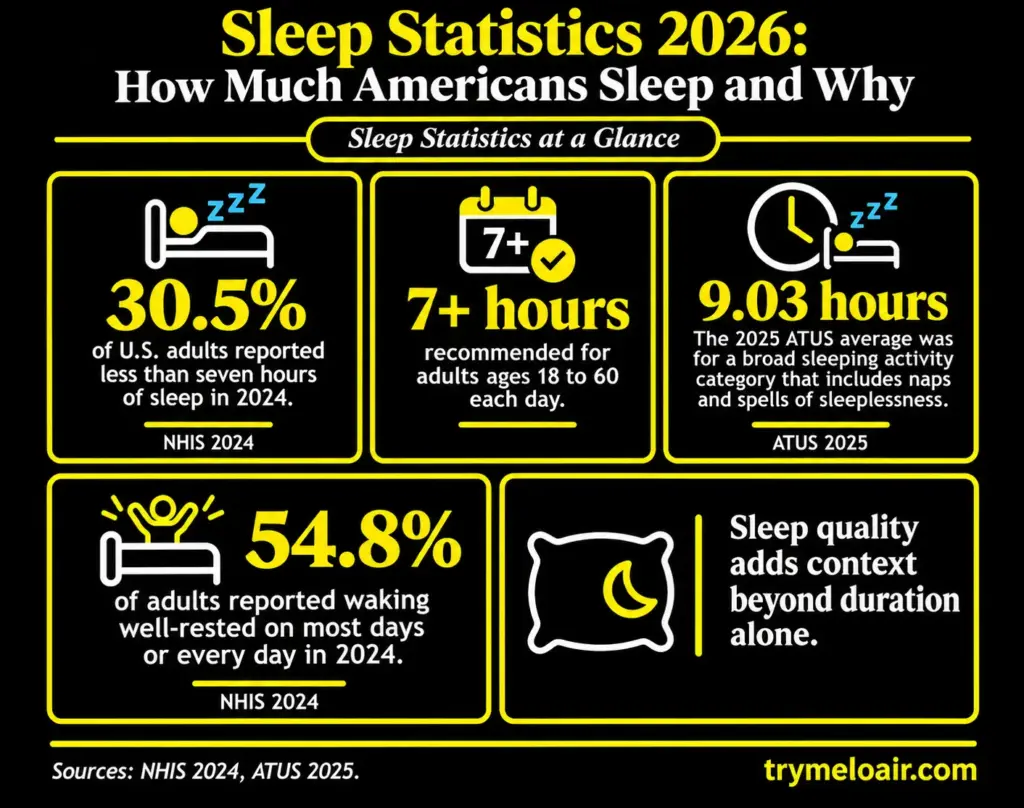
About three in ten U.S. adults slept less than seven hours in an average day in 2024, according to the National Health Interview Survey. Just over half (54.8%) said they woke feeling rested most days or every day. The gap between hours slept and how people feel in the morning runs through the national data. [1]
A separate Bureau of Labor Statistics survey found that Americans age 15 and older recorded an average of 9.03 hours a day in the sleeping category in 2025. Their time diaries included naps and periods spent trying to sleep. That detail helps explain how a nine-hour average can coexist with millions of adults falling short of the CDC’s sleep recommendation. [2][4]
Key U.S. Sleep Statistics at a Glance
| Statistic | What it measures | Year + source |
| 30.5% | U.S. adults who slept less than seven hours in an average day | 2024, National Health Interview Survey [1] |
| 7 or more hours | Recommended nightly sleep for adults ages 18 to 60 | 2015, AASM and Sleep Research Society [5] |
| 9.03 hours | Average daily time in the sleeping category, including naps and sleeplessness, among U.S. residents age 15 and older | 2025, American Time Use Survey [4] |
| 54.8% | U.S. adults who woke feeling well-rested most days or every day | 2024, National Health Interview Survey [1] |
| 18.1% | U.S. adults who had trouble staying asleep most days or every day | 2024, National Health Interview Survey [1] |
| 15.4% | U.S. adults who had trouble falling asleep most days or every day | 2024, National Health Interview Survey [1] |
| 12.9% | U.S. adults who used a sleep aid most days or every day in the past month | 2024, NCHS sleep-aid report [7] |
How Much Do Americans Sleep?
Two people can report the same bedtime and wake-up time yet get quite different amounts of sleep. Household and telephone surveys ask people to estimate how long they usually sleep. Time diaries ask what they were doing during a particular day, including time spent awake while trying to sleep.
Sleep measurement guide for major U.S. sources
| Source | Data year | Population | Measure | Headline result | Main limitation |
|---|---|---|---|---|---|
| NHIS [1] | 2024 | U.S. adults 18+ | Self-reported average sleep in 24 hours | 30.5% reported less than 7 hours | Household survey estimate |
| BRFSS [3] | 2022 | U.S. adults 18+ | Self-reported average sleep in 24 hours | 36.8% age-adjusted national estimate | State telephone survey |
| ATUS [4] | 2025 | Civilian population 15+ | Time diary sleeping category | 9.03 hours per day | Includes naps and spells of sleeplessness |
The National Health Interview Survey measures short sleep across the country. The Behavioral Risk Factor Surveillance System uses a telephone survey that can also show state differences. Both use a seven-hour threshold for adults, but differences in sampling and survey design affect the estimates. [1][3]
The National Center for Health Statistics put its 2024 estimate of 30.5% within a 95% confidence interval of 29.8% to 31.1%. The interval reflects the uncertainty that comes with estimating sleep patterns for the U.S. adult population from a sample. [1]
For a closer look at how short sleep affects daily life, see MELO’s sleep deprivation statistics.
Average Sleep Duration in the United States
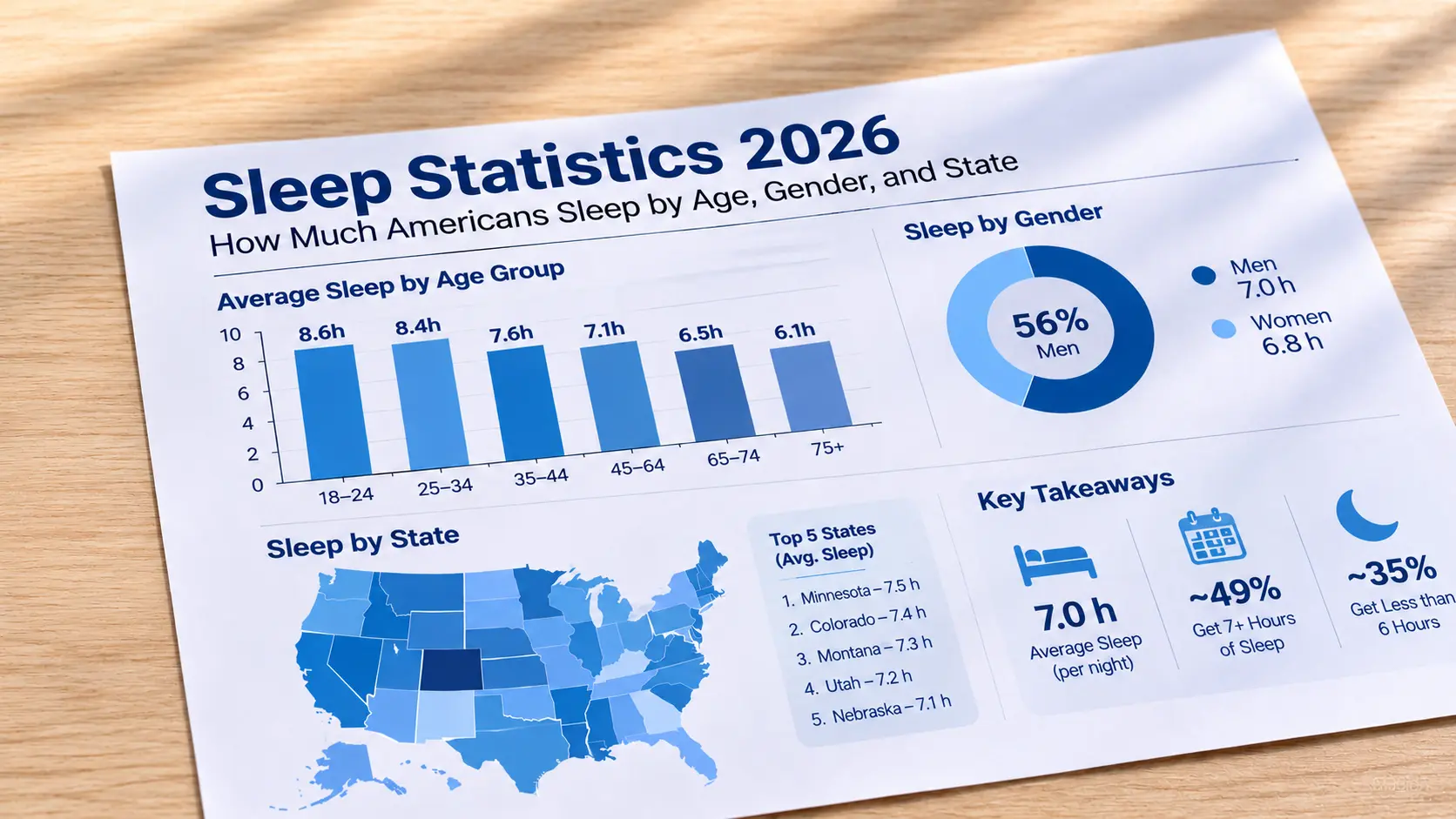
In the 2025 American Time Use Survey, men averaged 8.93 hours a day in the sleeping category and women averaged 9.13 hours. The survey counted the time each participant recorded in a diary, including naps and periods of sleeplessness. [4]
The difference between workdays and days off was larger. The Bureau of Labor Statistics found an average of 8.76 hours on weekdays and 9.68 hours on weekends and holidays, a difference of about 55 minutes. [4]
How Many Adults Get Too Little Sleep?
The 2024 national household survey found that 30.5% of U.S. adults usually slept less than seven hours a day. Short sleep was most common in middle age. [1]
In the 2022 state-based telephone survey, the age-adjusted national estimate was 36.8%. Age adjustment accounts for differences in age across populations and makes the state results easier to compare. [3]
Recommended Sleep Hours by Age
A newborn typically needs 14 to 17 hours of sleep over a full day, while the recommendation for adults age 65 and older is seven to eight hours. The CDC’s age-by-age guide counts naps toward the daily total for infants, toddlers and preschoolers. [2]
Recommended daily sleep by age
| Age group | Recommended sleep | Nap note | Year + source |
|---|---|---|---|
| 0 to 3 months | 14 to 17 hours | Daily total | 2024, CDC [2] |
| 4 to 12 months | 12 to 16 hours | Includes naps | 2024, CDC [2] |
| 1 to 2 years | 11 to 14 hours | Includes naps | 2024, CDC [2] |
| 3 to 5 years | 10 to 13 hours | Includes naps | 2024, CDC [2] |
| 6 to 12 years | 9 to 12 hours | Daily total | 2024, CDC [2] |
| 13 to 17 years | 8 to 10 hours | Daily total | 2024, CDC [2] |
| 18 to 60 years | 7 or more hours | Daily total | 2024, CDC [2] |
| 61 to 64 years | 7 to 9 hours | Daily total | 2024, CDC [2] |
| 65 years or older | 7 to 8 hours | Daily total | 2024, CDC [2] |
For adults ages 18 to 60, the American Academy of Sleep Medicine and Sleep Research Society recommend at least seven hours of sleep each night on a regular basis. If you routinely get that much sleep and still feel sleepy during the day, bring the pattern up with a clinician. [5]
Short Sleep and Rested Mornings by Age and Sex
In the 2024 national survey, short sleep was most common among adults ages 50 to 64. Adults age 65 and older were the most likely to say they regularly woke feeling rested. [1]
Adult short sleep and sleep quality by age and sex, 2024 NHIS
| Group | Less than 7 hours | Woke well-rested | Data year | Context and source |
|---|---|---|---|---|
| All adults | 30.5% | 54.8% | 2024 | National adult estimate. NHIS [1] |
| Men | 30.6% | 58.2% | 2024 | Short sleep was near the national rate. NHIS [1] |
| Women | 30.4% | 51.7% | 2024 | Lower well-rested prevalence than men. NHIS [1] |
| Ages 18 to 34 | 27.2% | 52.2% | 2024 | Lowest short sleep, tied with 65+. NHIS [1] |
| Ages 35 to 49 | 33.4% | 50.1% | 2024 | Well-rested prevalence was lowest. NHIS [1] |
| Ages 50 to 64 | 34.5% | 54.5% | 2024 | Highest short-sleep prevalence. NHIS [1] |
| Ages 65+ | 27.2% | 63.5% | 2024 | Highest well-rested prevalence. NHIS [1] |
Sleep Differences by Age
More than a third (34.5%) of adults ages 50 to 64 reported short sleep, compared with 33.4% of those ages 35 to 49. At either end of the age range, the figures were the same: 27.2% of adults ages 18 to 34 and 27.2% of those 65 and older, according to the National Health Interview Survey. [1]
Differences Between Men and Women
Men and women reported short sleep at almost the same rate in the 2024 survey: 30.6% of men and 30.4% of women. The difference was wider when people described how they felt after waking. [1]
Some 58.2% of men and 51.7% of women said they felt well-rested most days or every day during the previous month, according to the National Center for Health Statistics. [1]
Which States Reported the Most Short Sleep?
In the CDC’s 2022 comparison, Hawaii had the highest age-adjusted share of adults sleeping fewer than seven hours, at about 46%. Vermont had the lowest, at about 30%. [3]
National and state endpoints for insufficient sleep, 2022 BRFSS
| Geography | Insufficient sleep | Data year | Context and source |
|---|---|---|---|
| United States | 36.8% | 2022 | Age-adjusted BRFSS estimate. CDC [3] |
| Hawaii | About 46% | 2022 | Highest state endpoint. CDC [3] |
| Vermont | About 30% | 2022 | Lowest state endpoint. CDC [3] |
State averages also hide local differences. A CDC study of 2020 county estimates found that short sleep ranged from about 24% in Boulder County, Colorado, to 48% in Greene County, Alabama. Those estimates come from a separate year and describe smaller populations. [3]
Sleep Quality and Sleep Difficulties
How you feel the next morning depends on more than how much time you spent in bed. The National Health Interview Survey asked adults about three experiences during the previous month: waking rested, struggling to fall asleep and struggling to stay asleep. [1]
Waking Well-Rested
In 2024, 54.8% of adults woke well-rested most days or every day. That share was highest among adults age 65 and older (63.5%) and lowest among those ages 35 to 49 (50.1%), according to the National Center for Health Statistics. [1]
Trouble Falling and Staying Asleep
In the 2024 national survey, 18.1% of adults reported trouble staying asleep most days or every day, while 15.4% had trouble falling asleep that often. A person could experience both. [1]
Difficulty falling asleep was more common among younger adults. The survey put it at 18.3% for ages 18 to 34 and 12.8% for those 65 and older. Difficulty staying asleep rose from 12.7% among the youngest adults to 22.3% at ages 50 to 64 and 21.7% at ages 65 and older. [1]
When worry keeps you awake, the sleep figures capture only part of the experience. MELO’s anxiety statistics look at how often adults report anxiety symptoms, and its stress and sleeplessness report explores where the two experiences overlap.
Use of Sleep Aids
In a National Center for Health Statistics report, 12.9% of U.S. adults said they used a sleep aid most days or every day during the previous month in 2024. The survey counted prescription medicines (5.2%), over-the-counter medicines or supplements (5.7%) and marijuana or CBD products (3.7%). Some people used more than one type. [7]
Women were more likely than men to report regular use of a sleep aid (14.8% versus 10.8%). In the same report, prescription use was 6.4% among women and 3.9% among men. Over-the-counter medicine or supplement use was 7.0% and 4.3%, respectively. [7]
Regular use of any sleep aid rose from 10.5% among adults ages 18 to 34 to 15.8% among adults 65 and older. Prescription use rose from 2.2% to 8.8% across those age groups, while marijuana or CBD use fell from 5.5% to 1.7%, according to the NCHS sleep-aid survey. [7]
How Should You Compare Sleep Product Formats?
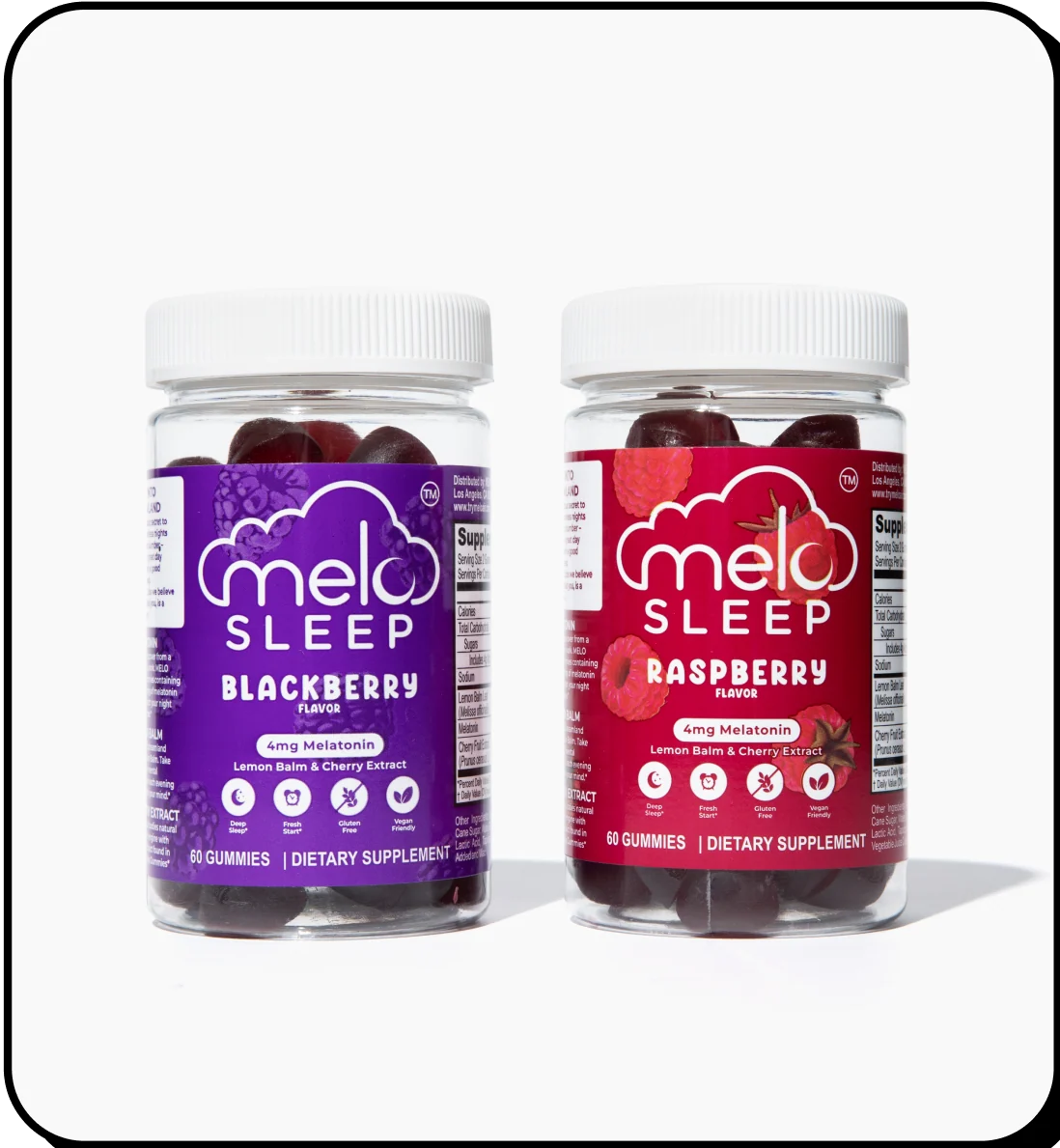
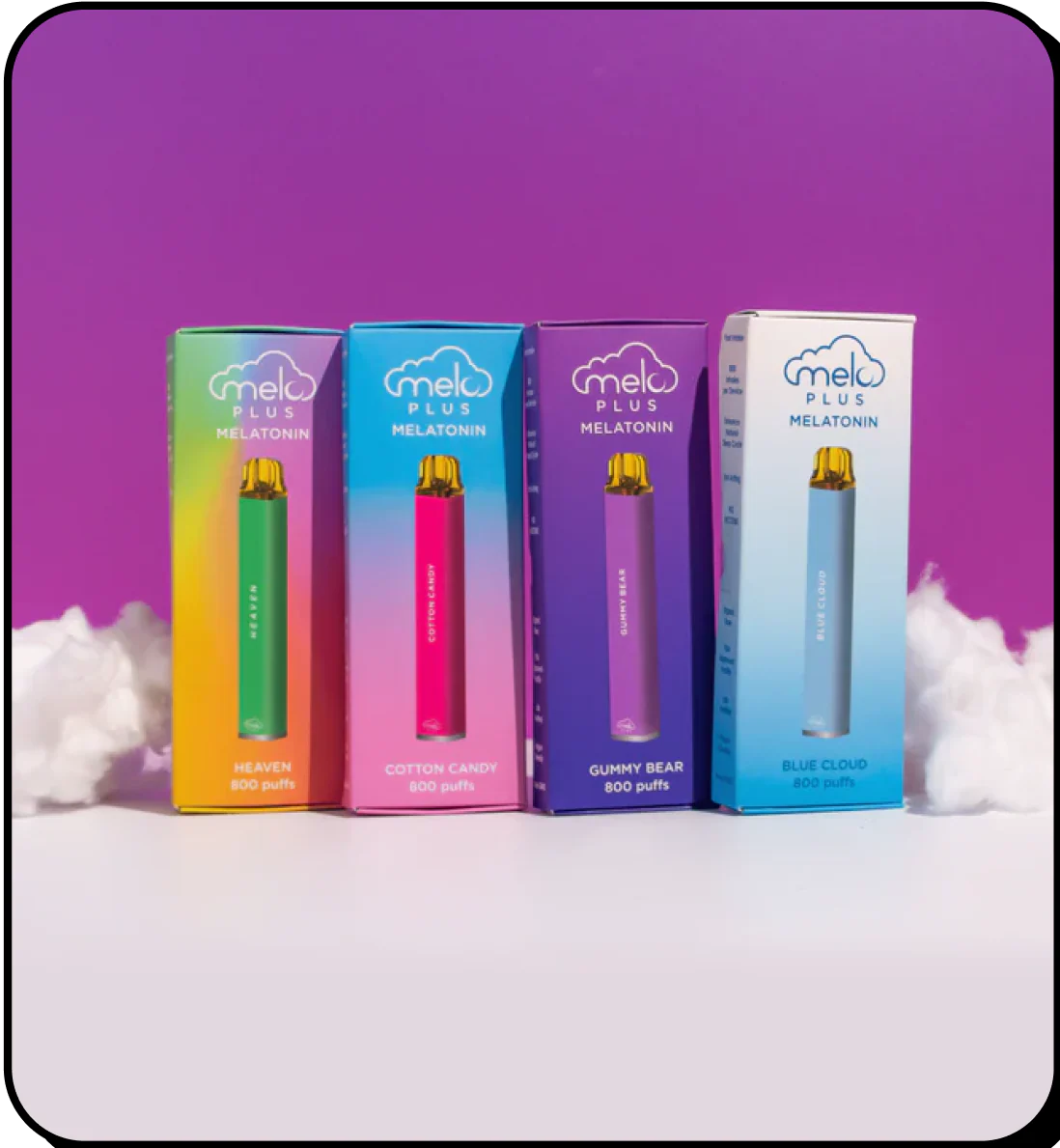
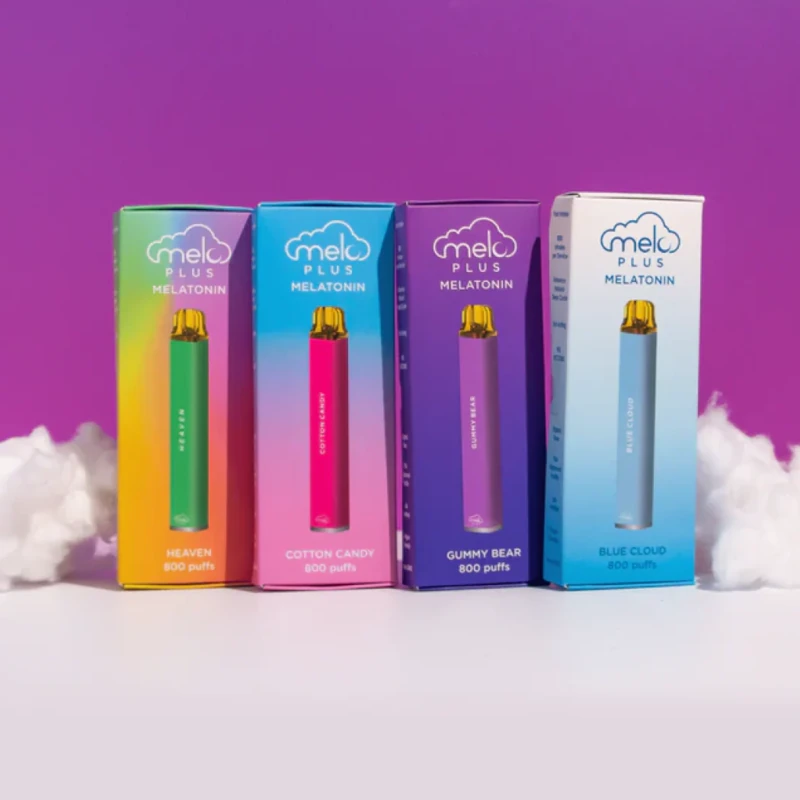
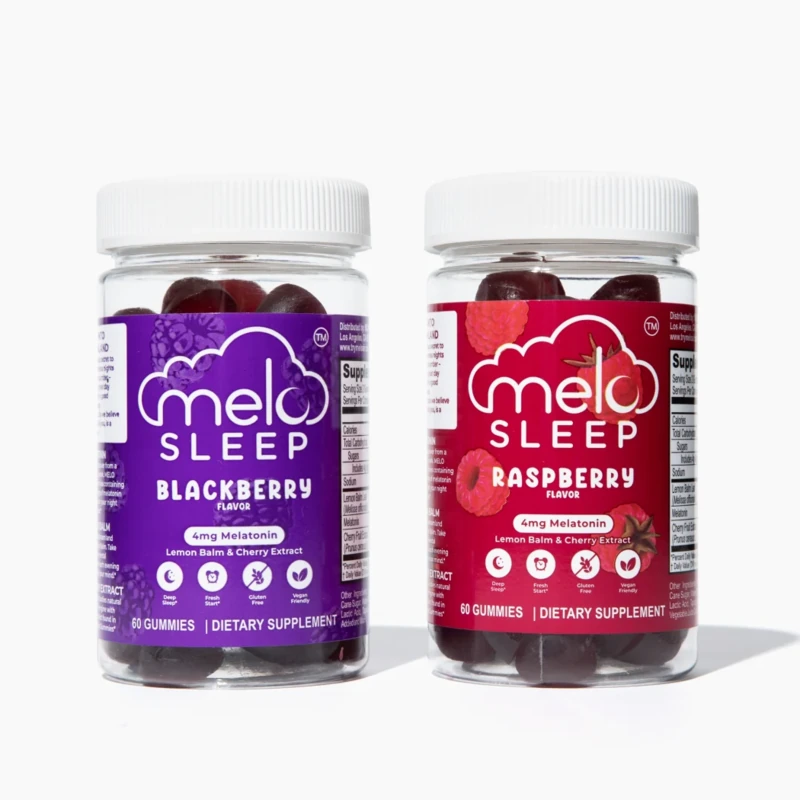
A survey about sleep aids tells you what people use. Choosing a product involves its ingredients, dose, route of use and possible interactions. MELO’s diffuser collection and sleep gummy collection list current formats for adults comparing labels. A pharmacist or clinician can help with ingredient and medication questions.
Sleep Deprivation and Everyday Impact
The National Heart, Lung, and Blood Institute describes sleep deficiency as a problem with the amount, timing or quality of sleep. Someone who gets enough hours may still struggle to concentrate after a night of frequent waking. [6]
In its 2022 overview, the institute reported that about one in three U.S. adults did not get enough uninterrupted sleep or rest every day. It also described effects on attention, learning and reaction time that can matter at school, at work or behind the wheel. [6]
The same overview estimated that nearly 40% of adults unintentionally fell asleep during the day at least once a month and that 50 million to 70 million Americans had ongoing sleep disorders. These figures describe daytime sleepiness and disorders across a range of conditions. [6]
Sleep Habits, Caffeine, and Bedtime
The CDC recommends keeping regular sleep and wake times and a quiet, cool bedroom. It also advises turning off electronic devices at least 30 minutes before bed and avoiding large meals, alcohol and late-day caffeine. [2]
Weekday Versus Weekend Sleep
The 2025 time-use diaries show that weekends and holidays offered nearly an hour more in the sleeping category than weekdays on average. The diary includes both naps and time spent trying to sleep, so the extra time can look different from one person to the next. [4]
Caffeine and Sleep
Coffee intake alone tells only part of the story. Both the amount and the timing of caffeine can affect sleep. The CDC recommends avoiding caffeine in the afternoon or evening. For a look at common sources and consumption habits, see MELO’s caffeine consumption statistics. [2]
In a randomized crossover trial published in 2025, 23 men with moderate habitual caffeine intake tried placebo and two caffeine doses at different times before bed. A 400 mg dose affected sleep even when taken 12 hours before bedtime. The same researchers found no statistically significant difference from placebo with a 100 mg dose under the conditions tested. [8]
The researchers followed the same participants across doses. That design helps distinguish the effect of timing within the group, while the small, all-male sample limits how closely the findings apply to any one person. [8]
Should You Start With a Sleep Product or Your Routine?
If you have trouble sleeping, keep track of when you have caffeine, when you go to bed and how often you wake. A record of those patterns can help a clinician understand what you’re experiencing. Include any sleep products or medicines you use.
Have American Sleep Patterns Changed Over Time?
From 2013 through 2022, the share of adults reporting less than seven hours of sleep changed little in the CDC’s state-based survey. Over a longer period, U.S. time diaries show an increase in average time recorded as sleeping. [3][9]
In a 2026 analysis of American Time Use Survey diaries, recorded sleeping time rose from about eight hours and 30 minutes in 2003 to eight hours and 55 minutes in 2024. The researchers analyzed about 239,930 person-days and excluded 2020 because of pandemic-related disruptions. [9]
The time-diary analysis estimated a rise of about 25 minutes before adjusting for differences among respondents and about 36 minutes after adjustment. Each year brought a new group of respondents, so the trend describes changes in population averages. [9]
What the Statistics Mean for Your Bedtime Routine
Compare the CDC’s recommendation for your age with both your usual sleep duration and how you feel the next day. For adults who already have questions about a melatonin label, MELO’s guide to melatonin timing explains what to look for. [2]
- Keep a consistent sleep and wake schedule when possible.
- Protect a quiet, cool, low-light sleep environment.
- Move caffeine earlier if afternoon or evening intake affects your rest.
- Review current labels before using any supplement or diffuser.
- Ask a clinician about persistent sleep problems, daytime impairment, medication interactions, or supplement questions.
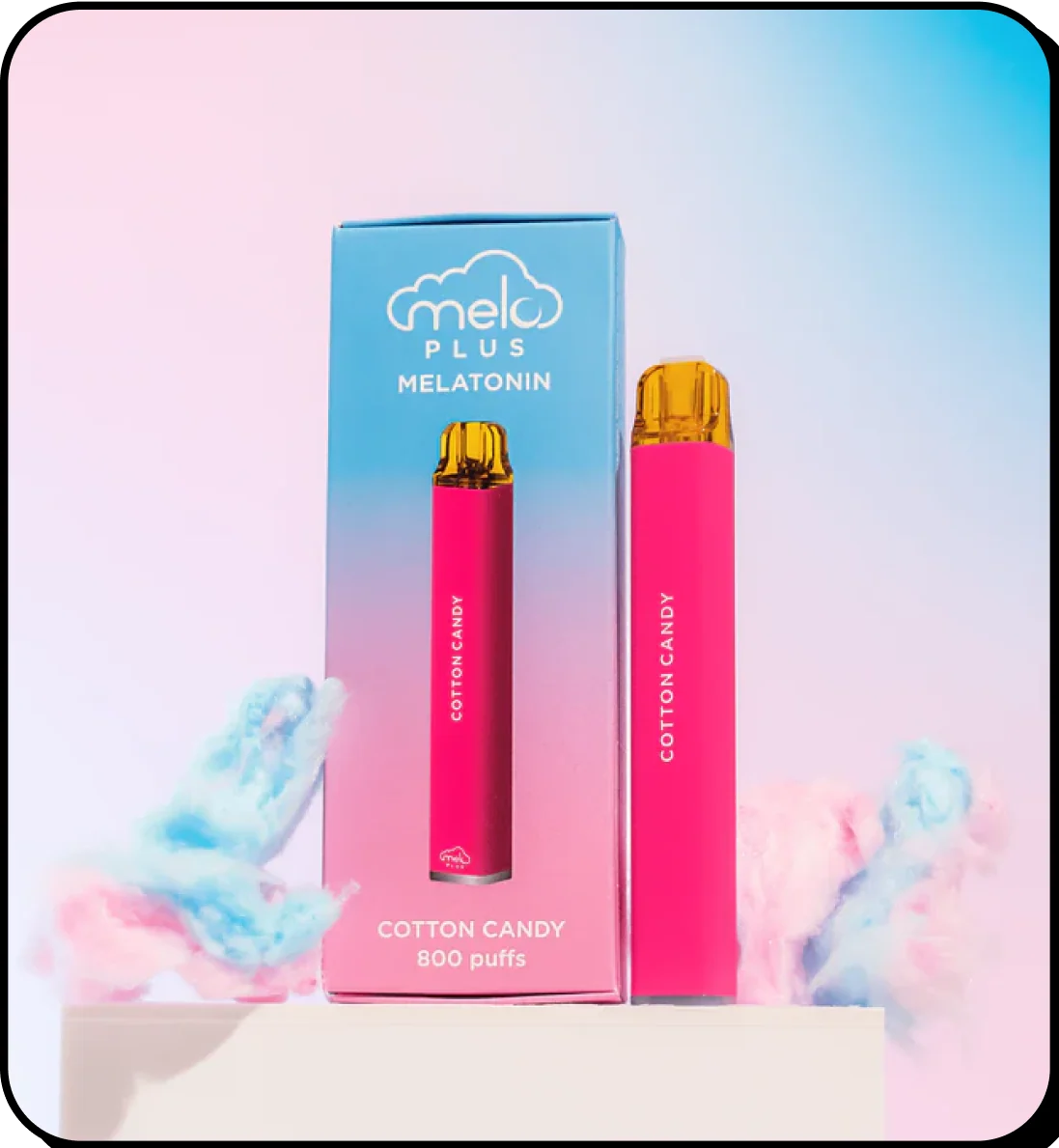
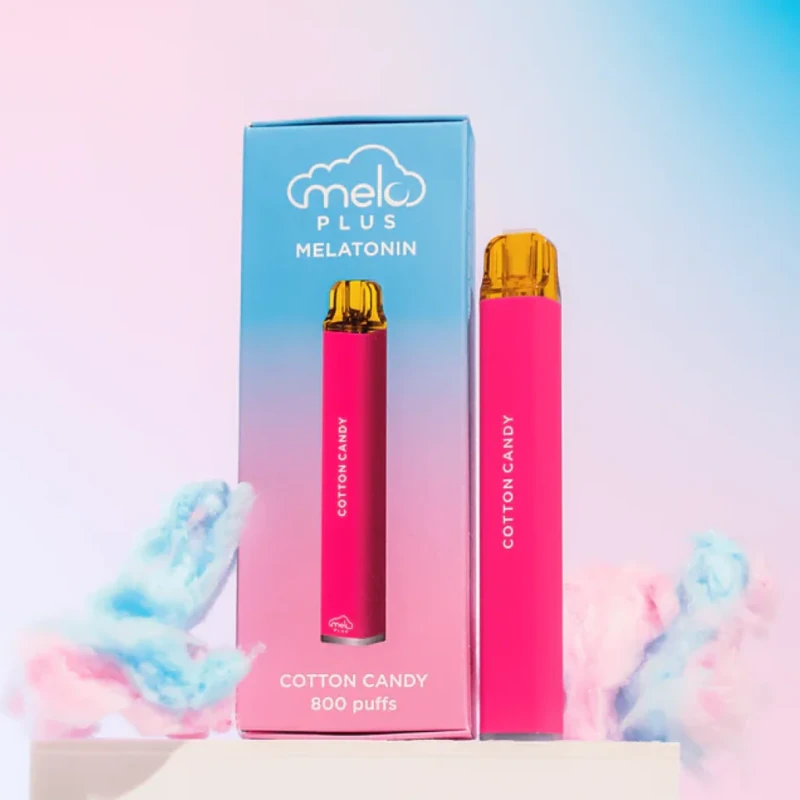
Adults comparing products can check the current ingredients and directions on the MELO Plus melatonin diffuser label. Bring persistent sleep difficulties, daytime drowsiness or medication questions to a qualified clinician.
FAQs About Sleep Statistics
What Percentage of Americans Get Less Than Seven Hours of Sleep?
In the 2024 National Health Interview Survey, 30.5% of U.S. adults reported sleeping less than seven hours in an average 24-hour period. An earlier 2022 state-based survey found an age-adjusted estimate of 36.8%. Each survey uses its own sample and weighting methods. [1][3]
How Many Hours Does the Average American Sleep?
The 2025 American Time Use Survey recorded 9.03 hours per day in the sleeping category among people ages 15 and older. That category includes naps and periods spent trying to sleep. For adults ages 18 to 60, sleep medicine specialists recommend at least seven hours of sleep per night. [2][4][5]
Which Age Group Gets the Least Sleep?
Adults ages 50 to 64 were the most likely to report sleeping less than seven hours in the 2024 National Health Interview Survey, at 34.5%. The next highest share was 33.4% among adults ages 35 to 49. [1]
Do Women or Men Sleep Less?
In the 2024 national survey, men and women reported short sleep at similar rates (30.6% and 30.4%). Men were more likely to report waking rested most days or every day (58.2% versus 51.7%). [1]
Which U.S. State Gets the Least Sleep?
In the CDC’s 2022 comparison, Hawaii had the highest share of adults reporting fewer than seven hours, at about 46% after adjusting for age. Vermont had the lowest, at about 30%. [3]
How Long Before Bed Should You Stop Caffeine?
The CDC advises avoiding afternoon and evening caffeine. In a controlled study of 23 men, 400 mg affected sleep even 12 hours before bedtime. The dose, your usual intake and your individual response all matter when choosing a cutoff. [2][8]
Putting the Numbers to Use
A good place to start is the morning after a typical night. If you set aside enough time for sleep but often wake tired, a record of awakenings, caffeine timing and daytime sleepiness can make a conversation with a clinician more productive.
References
[1] Ng, Amanda E., Lindsey I. Black, and Dzifa Adjaye-Gbewonyo. “Short Sleep Duration and Sleep Difficulties Among Adults: United States, 2024.” National Center for Health Statistics Data Brief, no. 559, Apr. 2026. https://www.cdc.gov/nchs/products/databriefs/db559.htm.
[2] Centers for Disease Control and Prevention. “About Sleep.” CDC, 15 May 2024. https://www.cdc.gov/sleep/about/index.html.
[3] Centers for Disease Control and Prevention. “FastStats: Sleep in Adults.” CDC, 15 May 2024. https://www.cdc.gov/sleep/data-research/facts-stats/adults-sleep-facts-and-stats.html.
[4] U.S. Bureau of Labor Statistics. “American Time Use Survey, 2025 Results.” U.S. Department of Labor, 25 June 2026. https://www.bls.gov/news.release/atus.htm.
[5] Watson, Nathaniel F., et al. “Recommended Amount of Sleep for a Healthy Adult: A Joint Consensus Statement of the American Academy of Sleep Medicine and Sleep Research Society.” Journal of Clinical Sleep Medicine, vol. 11, no. 6, 2015, pp. 591–592. American Academy of Sleep Medicine, https://aasm.org/resources/pdf/adultsleepdurationconsensus.pdf. Accessed 6 Nov. 2026.
[6] National Heart, Lung, and Blood Institute. “Sleep Deprivation and Deficiency.” National Institutes of Health, 24 Mar. 2022. https://www.nhlbi.nih.gov/health/sleep-deprivation.
[7] Mykyta, Laryssa, Nazik Elgaddal, and Antonia Warren. “Use of Sleep Aids Among Adults Age 18 and Older: United States, 2024.” National Center for Health Statistics, Apr. 2026. https://www.cdc.gov/nchs/data/hestat/hestat116.htm.
[8] Gardiner, Carissa L., et al. “Dose and Timing Effects of Caffeine on Subsequent Sleep: A Randomized Clinical Crossover Trial.” Sleep, vol. 48, no. 4, 11 Apr. 2025, zsae230. https://pubmed.ncbi.nlm.nih.gov/39377163/.
[9] Zeng, Yusong, and Samuel Ken-En Gan. “Trends in Sleep Duration Among U.S. Population Aged 15 Years and Older, 2003-2024: A Sociodemographic Analysis of ATUS Data.” Social Science & Medicine, vol. 406, Oct. 2026, 119627. https://pubmed.ncbi.nlm.nih.gov/42503279/.