
Sleep Deprivation Statistics & Data to Know in 2026
About 1 in 3 American adults still falls short on sleep. In its 2024 survey, the CDC’s National Center for Health Statistics found that 30.5% of adults got less than seven hours a night, the amount most adults need. Gallup’s reading is even starker. A record 57% of Americans told Gallup they would feel better if they slept more, the highest the firm has measured since 2001, and 20% now get five hours or less. Short sleep is not a niche health problem anymore. It is the baseline for a large share of the country, and the data behind it is the kind reporters reach for every time the topic comes back around.
Key Sleep Deprivation Statistics at a Glance
-
30.5% of U.S. adults slept less than seven hours a night in 2024 (CDC NCHS).
-
57% of Americans say they would feel better with more sleep, a record high; 20% get five hours or less (Gallup).
-
15.4% of adults had trouble falling asleep and 18.1% had trouble staying asleep most days in 2024 (CDC NCHS).
-
12.9% of adults used a sleep aid most days or every day in 2024 (CDC NCHS).
-
23% of U.S. high school students got the recommended eight hours on a school night in 2023 (CDC YRBS).
-
17.6% of fatal crashes from 2017 to 2021 involved a drowsy driver, roughly 6,400 deaths a year (AAA Foundation).
-
40.2% of Black adults reported short sleep in 2024, the highest of any group (CDC NCHS).
-
Up to $411 billion a year is lost to the U.S. economy from insufficient sleep, about 2.28% of GDP (RAND).
How Many Americans Are Sleep Deprived
The clearest national number comes from the CDC’s National Center for Health Statistics. In 2024, 30.5% of adults reported short sleep, meaning less than seven hours in a typical 24-hour period. That figure barely moved between men (30.6%) and women (30.4%), so this is a problem that cuts across the whole population rather than one group.
Age changes the picture more than sex does. Short sleep climbed from 27.2% among adults ages 18 to 34 to a peak of 34.5% among those 50 to 64, then eased back to 27.2% for adults 65 and older. The middle of life, with its mix of work and caregiving, is where sleep takes the biggest hit.
The starkest gap is by race. Black adults reported short sleep at 40.2%, well above White adults (28.9%), Hispanic adults (29.0%), and Asian adults (27.9%). That 11-point spread points to differences in shift work, neighborhood conditions, and stress that show up directly in the numbers.
Gallup’s polling adds the emotional reading behind the CDC counts. A majority of Americans, 57%, told Gallup they would feel better if they got more sleep, while only 42% said they get as much as they need. That is close to a flip of the 2013 result, when 56% of Americans said they got enough. The share sleeping five hours or less has risen to 20%, one in five adults running on a tank that doctors consider dangerously low.
Insomnia and Trouble Sleeping
Short sleep is partly about choices and schedules. A separate slice of the data is about the body not cooperating at all. In 2024, 15.4% of adults had trouble falling asleep most days and 18.1% had trouble staying asleep most days, per the CDC’s National Center for Health Statistics. Just over half, 54.8%, said they woke up feeling well rested, which leaves close to half of the country starting the day already behind.
Women carry more of this load. They were more likely than men to have trouble falling asleep (18.5% versus 12.2%) and trouble staying asleep (21.4% versus 14.6%). Trouble falling asleep also eased with age, dropping from 18.3% among adults 18 to 34 to 12.8% among those 65 and older, which runs against the common assumption that older adults sleep worst.
Chronic insomnia, the clinical condition rather than the occasional rough night, affects roughly 10% of adults, with milder insomnia symptoms reaching a much larger share of the population in any given month. The line between a stressful week and a real disorder is where a lot of people quietly land, and it is why so many reach for help.
The race breakdown shows up here too. Black (15.5%), White (16.1%), and Hispanic adults (14.1%) were all more likely than Asian adults (9.0%) to report trouble falling asleep in 2024, per the same CDC data. These are not small gaps, and they track with the wider differences in short sleep, which suggests the same pressures driving total sleep loss are also driving the broken nights underneath it.
The Rise of Sleep Aids
When sleep stops coming on its own, Americans increasingly take something for it. In 2024, 12.9% of adults used a sleep aid most days or every day to fall or stay asleep, according to the CDC’s National Center for Health Statistics. That breaks down to 5.2% on prescription medication, 5.7% on over-the-counter products or supplements, and 3.7% on marijuana or CBD.
Use climbs steadily with age, from 10.5% of adults 18 to 34 to 15.8% of adults 65 and older. Prescription use shows the sharpest jump, from 2.2% in the youngest group to 8.8% in the oldest, a sign that sleep problems harden into long-running prescriptions as people get older.
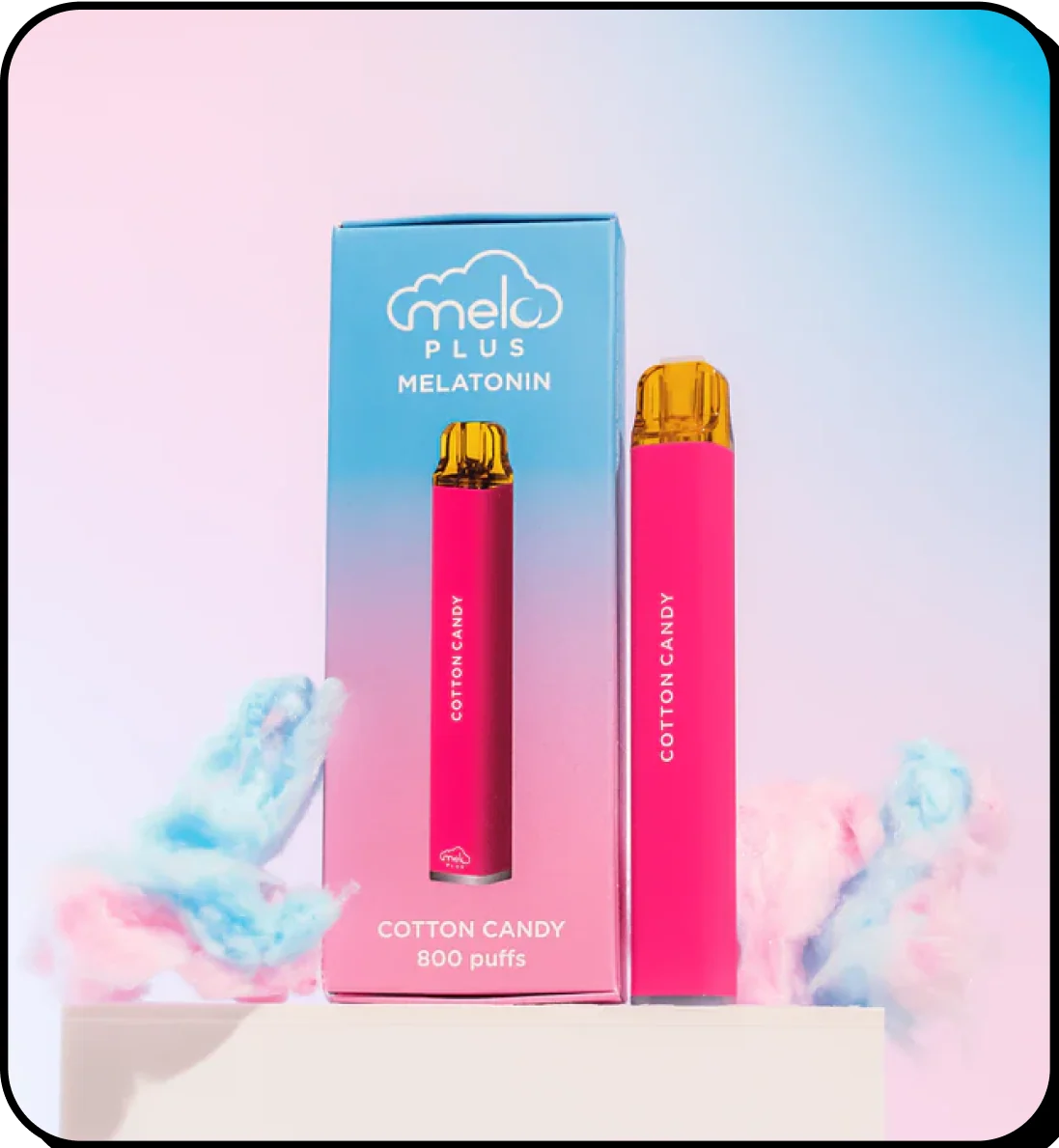
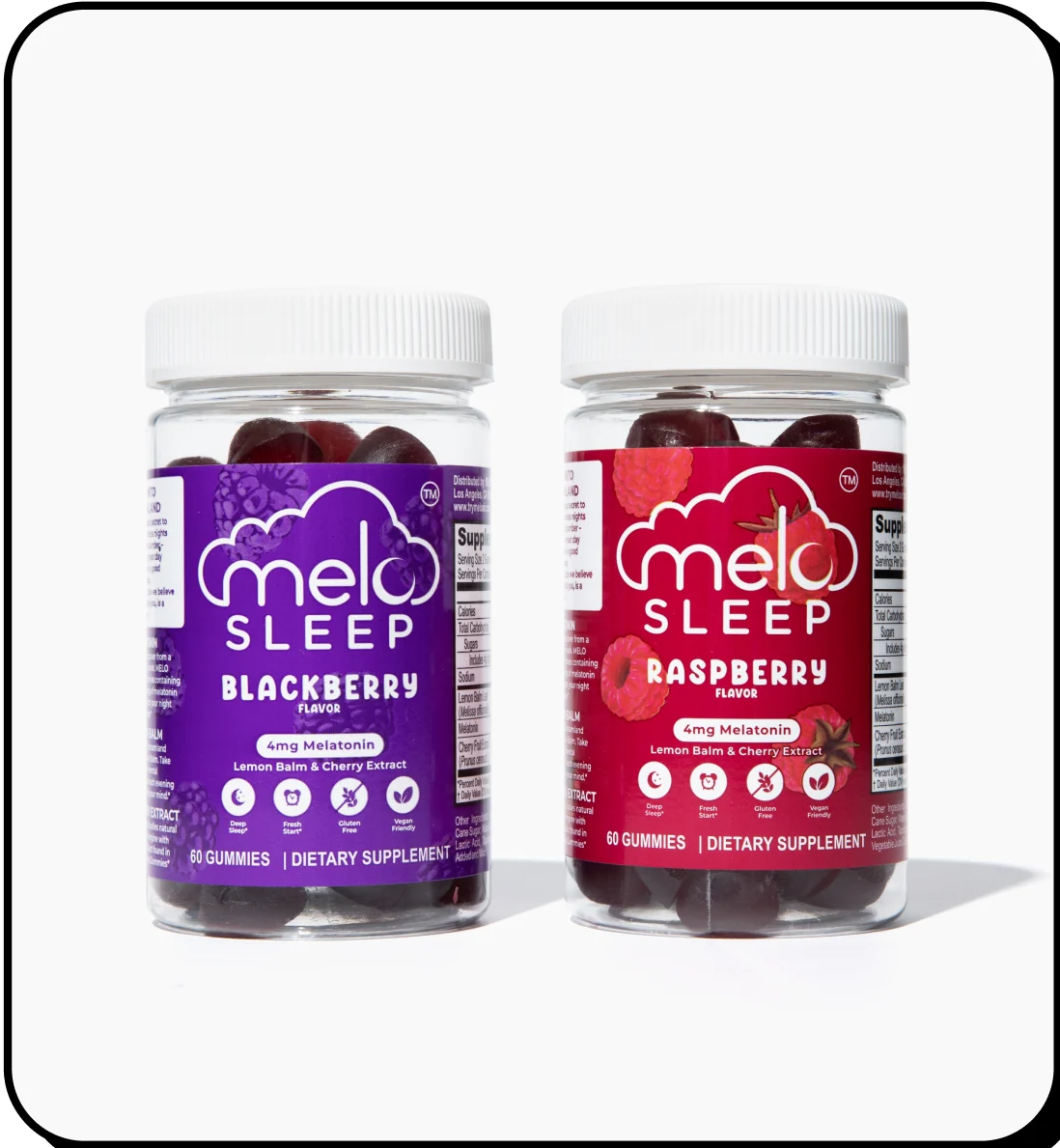
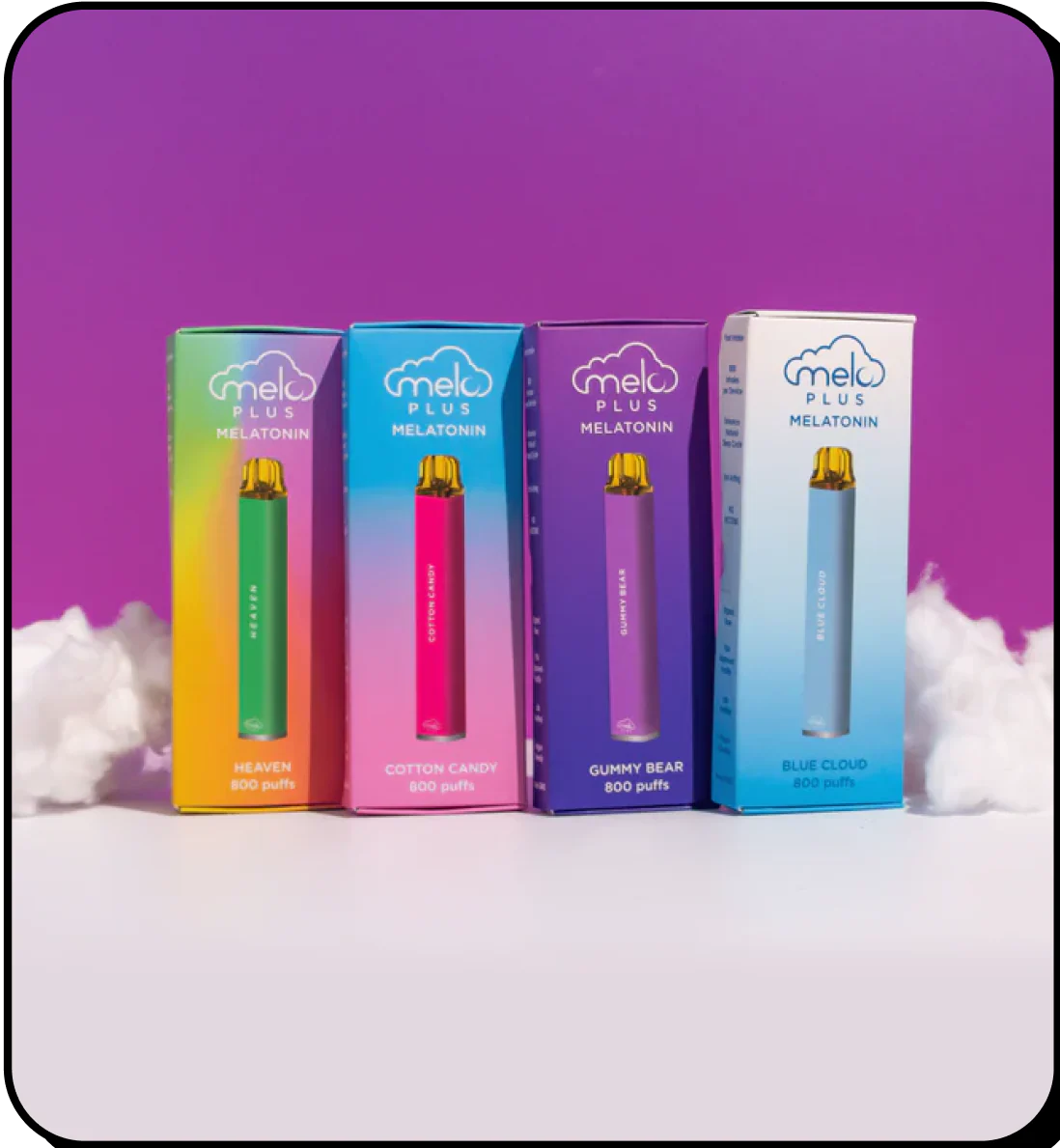
The supplement category is the one moving fastest, and melatonin sits at the center of it. People want something gentler than a prescription sedative, which is why the market has filled with gummies, drops, and other delivery formats. For readers comparing options, MELO’s lineup of plant-based vapes is built around that same demand for a lighter, nicotine-free wind-down.
Teens Are Sleeping Even Less
If adults are tired, teenagers are exhausted. Only about 23% of U.S. high school students got the recommended eight hours of sleep on an average school night in 2023, based on the CDC’s Youth Risk Behavior Survey. That leaves more than three-quarters of high schoolers short on sleep on any given school night, and the figure was lower in 2023 than it was a decade earlier.
Early school start times, packed schedules, and late-night screens all push teen bedtimes later while the alarm clock stays fixed. The result is a generation walking into first period on a chronic deficit, with knock-on effects for mood, attention, and mental health that show up in the same survey year after year.
The trend line is the worrying part. The share of high schoolers hitting eight hours has slipped over the past decade rather than holding steady, even as awareness of teen sleep has grown. For parents and educators tracking the issue, that decline is the stat worth watching, because it means the problem is getting deeper, not leveling off.
The Real-World Cost of Lost Sleep
Sleep deprivation does not stay in the bedroom. The most sobering numbers are on the road. The AAA Foundation for Traffic Safety estimated that 17.6% of all fatal crashes between 2017 and 2021 involved a drowsy driver, around 6,400 deaths a year. That is roughly ten times higher than what police reports capture, since fatigue rarely leaves evidence at a crash scene the way alcohol does.
The economic hit is just as large. RAND estimated that insufficient sleep costs the U.S. economy up to $411 billion a year, about 2.28% of GDP, through lower productivity and higher mortality risk among workers. RAND put the annual loss at just over 1.2 million working days and projected the figure would keep climbing toward 2030 if sleep habits do not improve.
Put together, the road toll and the productivity drain make sleep deprivation one of the most expensive health problems hiding in plain sight, because the costs land everywhere except the doctor’s office.
What’s Driving the Sleep Crisis in 2026
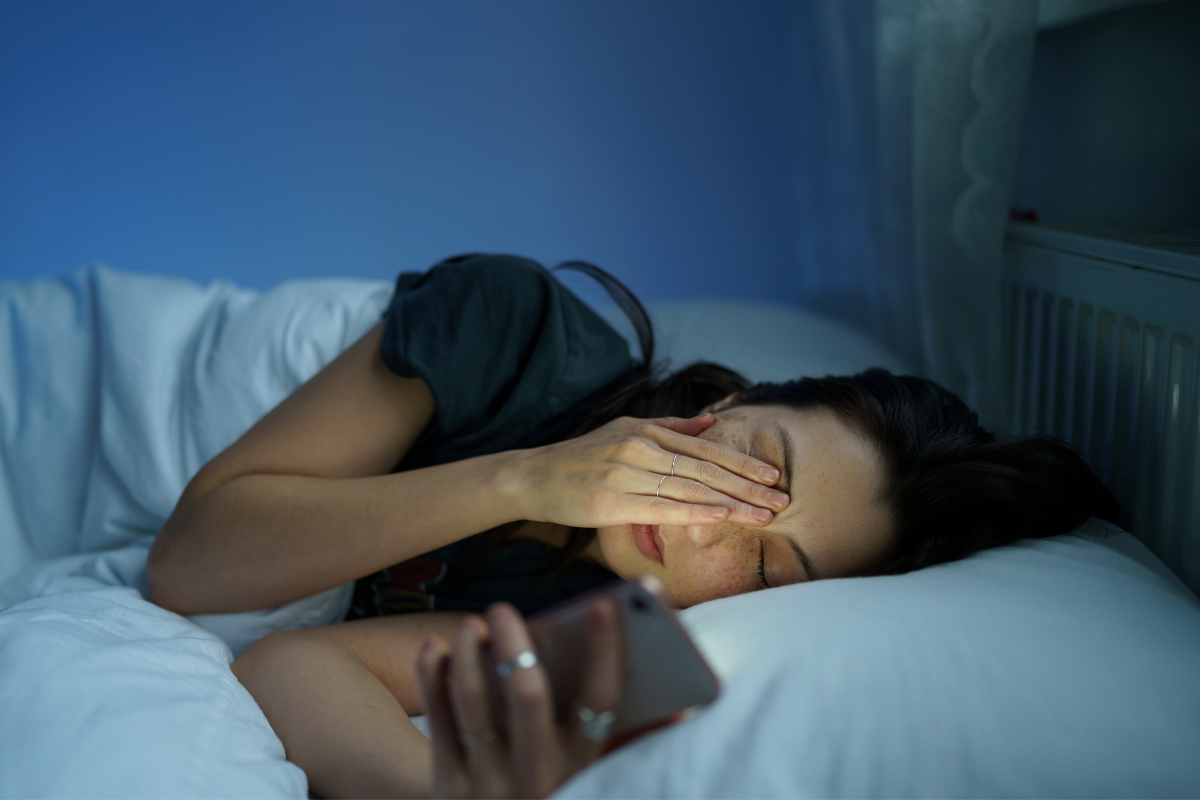
The honest answer for 2026 is the phone in your hand. The American Academy of Sleep Medicine found that 91% of adults have lost sleep from staying up to binge-watch a show, and 75% have stayed up past bedtime to shop online. The AASM calls this bedtime procrastination, the habit of delaying sleep for one more episode or one more scroll even when you are already tired.
Stress sits right beside it. Gallup measured frequent stress at a record 49% of Americans, and the people most starved for sleep are the same ones reporting the most stress. The two feed each other, a bad night raises stress and stress wrecks the next night, which is the loop most adults are trying to break.
That is the gap a calmer pre-sleep routine is meant to close. Swapping the late-night feed for a wind-down ritual is the lever almost every sleep researcher points to first, and it costs nothing but the willingness to put the screen down.
How MELO Fits Into Better Sleep
MELO makes nicotine-free, plant-based products built around melatonin, the same wind-down ingredient millions of Americans are already reaching for as the sleep-aid numbers climb. If a lighter alternative to a nightly pill fits your routine, the MELO collection and the rest of our nicotine-free range are designed for exactly that quieter end to the day. Better sleep starts with better habits, and the data above is a good reason to build one.
Leave a comment