
Fum vs. MELO Air: Comparison Guide
You are not the first person to compare Fum and MELO Air, and you will not be the last. Both products show up in the same conversation because they share the same headline, a clean nicotine-free inhaler comparison between two of the more talked-about options. They are nicotine-free inhalables you can reach for without dragging a vape into your life. That is roughly where the similarity ends.
Fum is a reusable wooden inhaler built around essential-oil cores, designed for habit replacement. MELO Air is a disposable melatonin diffuser, designed for sleep support. Different mechanism, different goal. Pick the one that matches what you are trying to do.If you are weighing the Fum side of this matchup, our Fum vape reviews roundup collects what real customers say about it.
Fum vs. MELO Air at a Glance
If you only have 30 seconds, here is the short version of the melatonin diffuser vs flavored air debate. Fum is a reusable wooden device with replaceable essential-oil cores, built to satisfy the hand-to-mouth ritual without nicotine. MELO Air is a one-and-done disposable that delivers melatonin in an inhalable mist, built to help you wind down at night.
|
Category |
Fum |
MELO Air |
|
Format |
Reusable wooden device with replaceable cores |
Disposable diffuser |
|
Active ingredient |
None (essential oil aroma only) |
Melatonin |
|
Primary purpose |
Habit replacement |
Sleep support |
|
Flavor options |
11 flavors (mint, fruit, dessert, seasonal) |
Smaller evening-focused lineup (Blue Cloud flagship) |
|
Entry price |
$69.99 (Fum Prominent device) |
$16.99 (single unit) |
|
Use count |
~10+ days of peak flavor per core |
~800 puffs per device |
Below that, the deeper breakdown.
What Is Fum?
Fum positions itself as “The Good Habit” device. It is a wooden flavored air device built for people stepping away from vapes, cigarettes, or any oral fixation that needs a cleaner replacement. The whole pitch is the ritual. No battery, no vapor, no nicotine, just air pulled through a flavored core.
The build is intentional. The barrel is weighted wood, maple in the Fum Prominent or walnut in the Fum Solano. An adjustable airflow ring lets you twist for fidget value. The replaceable cores are medical-grade polyester fibers infused with plant-based essential oils, all per the Fum product page. The Fum essential oil inhaler format keeps the device passive: no battery, nothing to charge.
Flavors are where Fum stretches out. The current lineup includes Crisp Mint, Spearmint Ice, Mango, Orange Vanilla, Raspberry, Peach Blush, Cinnamon Hearts, Black Licorice, Sparkling Grapefruit, and Maple Pepper, plus rotating limited editions like Gingerbread. 11 flavors covering mint, fruit, dessert, and seasonal profiles.
If you want a longer take on how Fum stacks up against another popular alternative, the MELO Labs Capnos vs. FUM blog post covers a different angle. For a direct side-by-side between the pressurized-air Capnos inhaler and MELO Air’s functional diffusers, the Capnos vs. Melo Air comparison breaks that down.
What Is MELO Air?
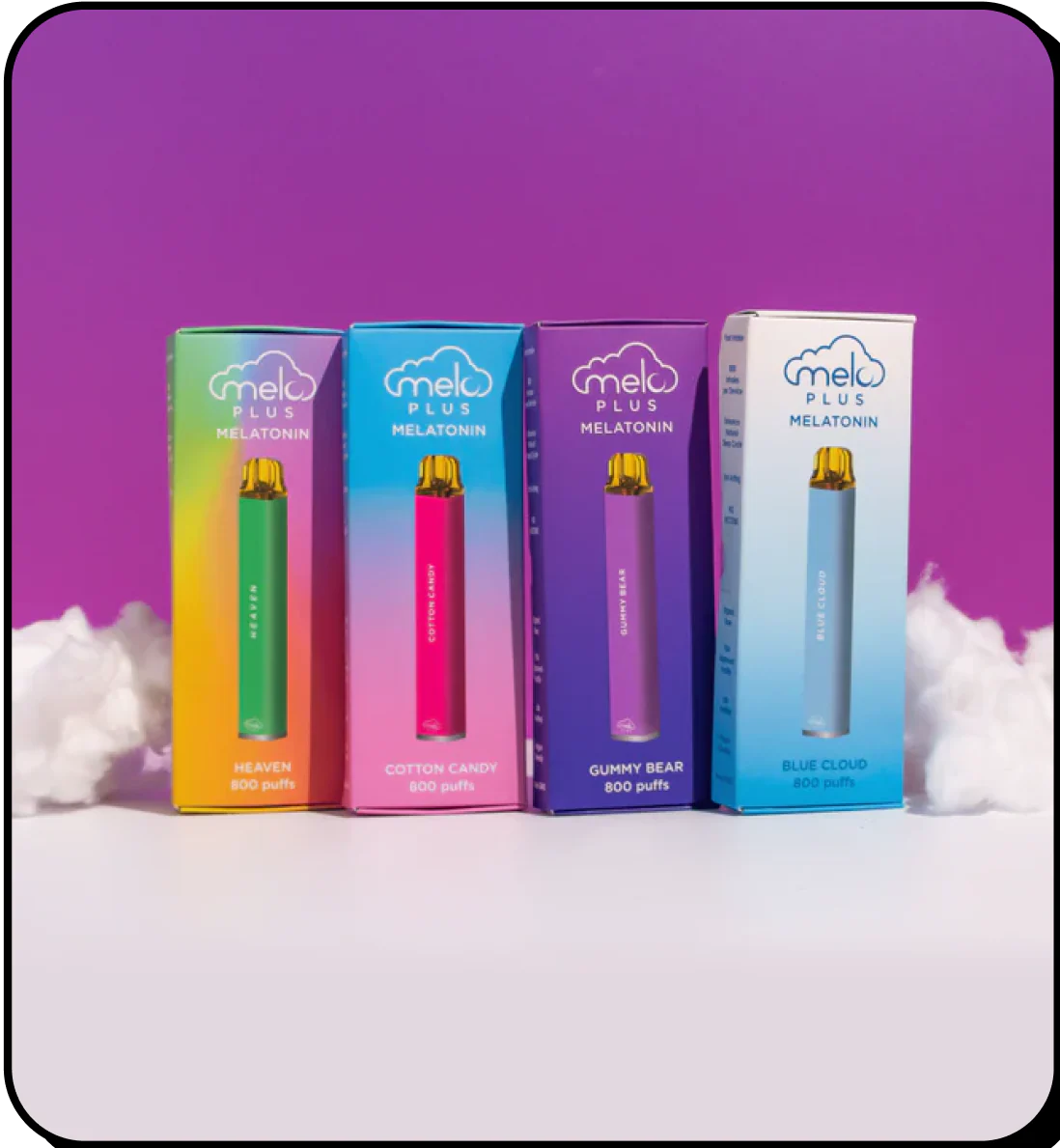
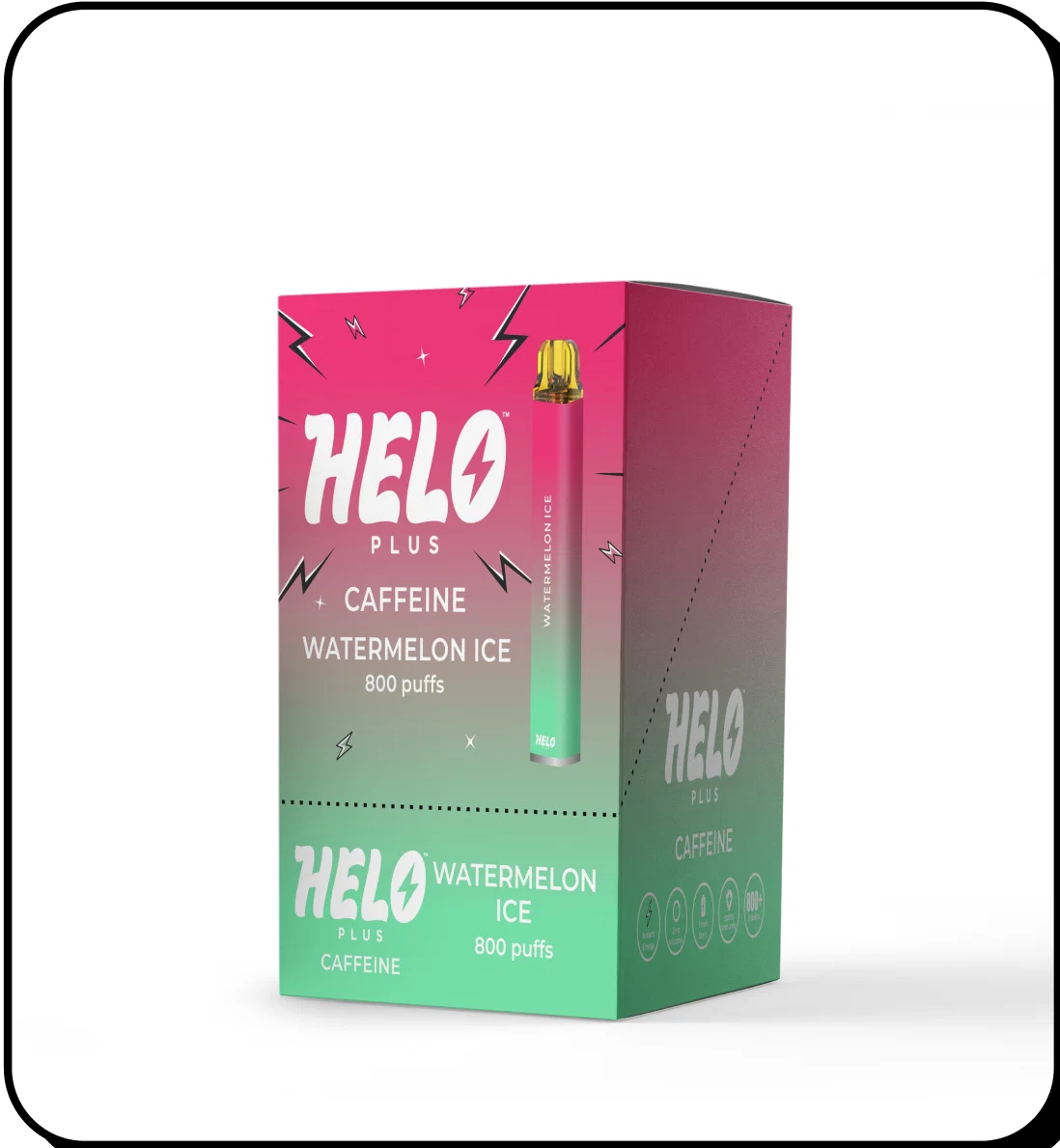
MELO Air comes out of MELO Labs, a functional wellness brand founded in 2020 by Devon McPherson. The origin story is the kind of thing the brand wears openly. Devon hit a wall in Silicon Valley sales, struggled to sleep through the demands of the job, and ended up building the melatonin diffuser that solved it for her first. After the original product went viral on TikTok, MELO Labs expanded into a full 24-hour wellness lineup that now includes MELO sleep gummies, MELO Sip, HELO caffeine diffusers, HELO energy gummies, and HELO B12 diffusers.
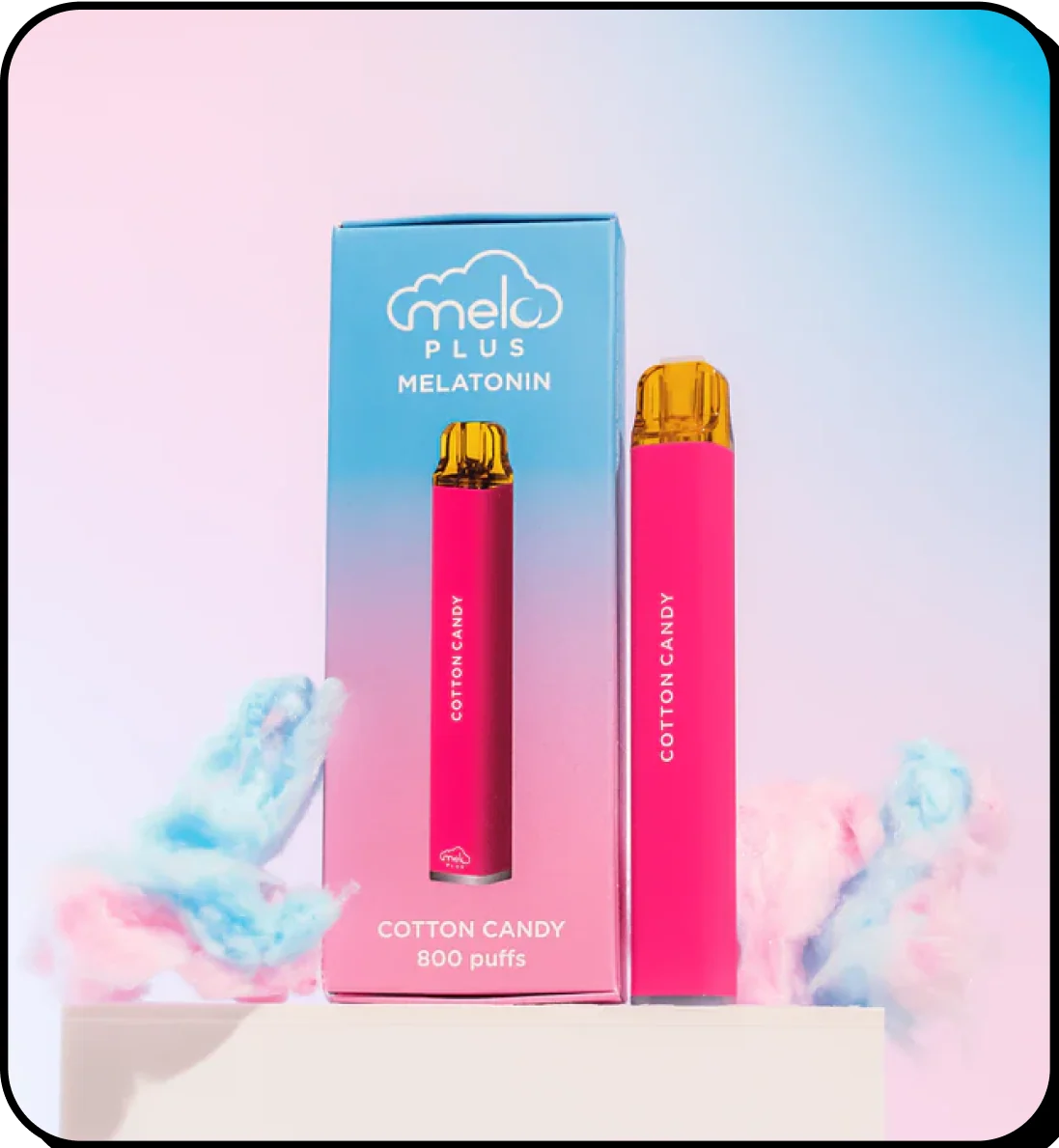
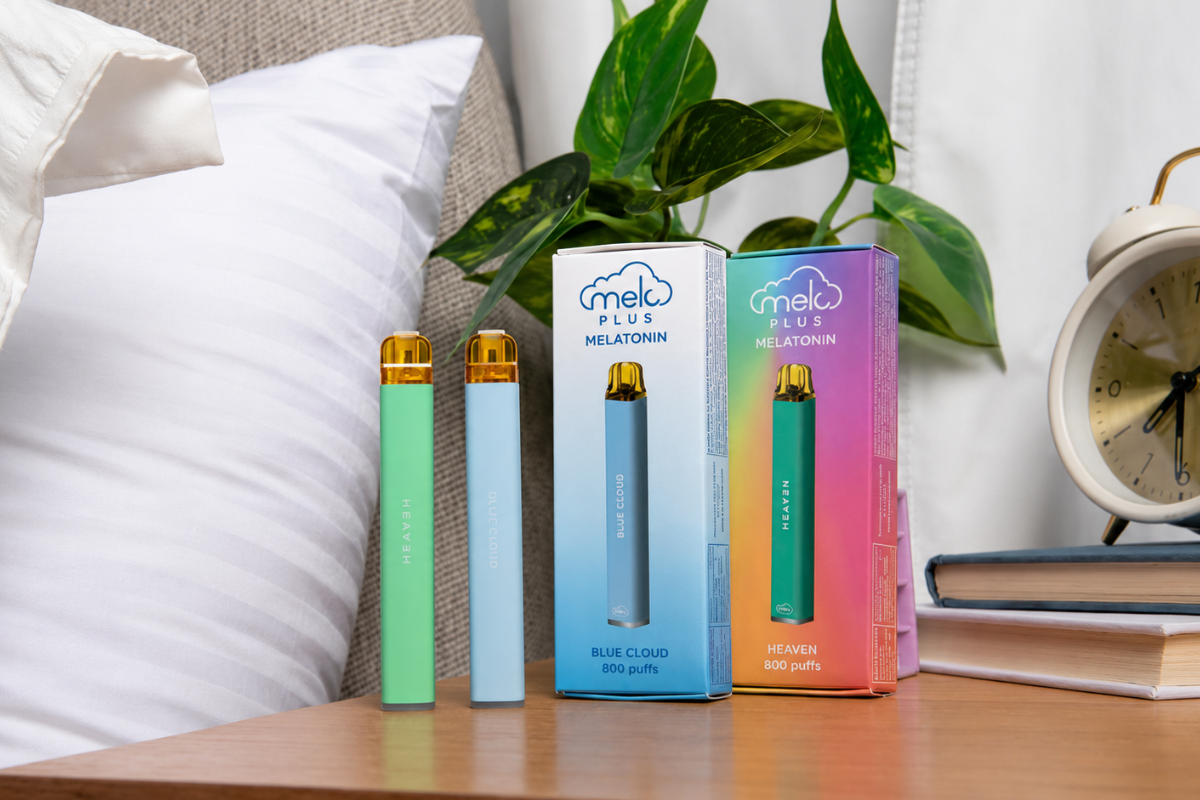
MELO Air is the everyday wind-down product inside that system. It is a disposable melatonin diffuser. You buy one, run it down, then grab another.
The formula is short on purpose. Premium-grade melatonin, organic vegetable glycerin, and organic fruit flavor. Three ingredients total. No nicotine, no tobacco, no diacetyl, no vitamin E acetate, all spelled out on the MELO Air product page.
How Each Device Works
Fum is a cold-air inhaler. No heat, no vapor, no melatonin, no nicotine, nothing active in what you breathe. You twist the airflow ring and inhale. Air pulls through the flavor core, picks up aroma compounds from the essential oils, and passes through the wooden barrel. The “throat hit” people ask about with vapes isn’t part of the Fum experience. The Fum vs vaping difference comes down to this: it is closer to taking a flavored breath than a drag.
MELO Air works differently. It is a disposable diffuser that uses vegetable glycerin to carry melatonin in a fine inhalable mist. An active functional ingredient lives here, melatonin, and inhalation delivers it faster than a gummy or a capsule.
That is the practical split. Fum is built for the inhale ritual itself with no active ingredient. MELO Air is built to deliver melatonin in inhalable form. Two devices that look similar at a glance and do different things in your body.
Ingredient Breakdown
Fum’s core fibers are medical-grade polyester infused with plant-based essential oils, with the specific oils varying by flavor. Nothing you inhale through the device aims to do anything functional. The essential oils carry aroma, and that is the job.
MELO Air ingredients keep things tight: the full list is three items. Premium-grade melatonin, organic vegetable glycerin, and organic fruit flavor. The vegetable glycerin carries the melatonin dose. The flavor is along for the ride.
One bit of context worth naming honestly. Flavored inhalable products as a category are still pretty new, and long-term safety research is emerging across the board. A 2022 paper in Toxicological Sciences by Tackett and Rebuli raised this point about alternative flavored inhalable products as a category, not aimed at any single brand. Worth knowing as a category, not a hit piece on either product.
Flavors and Sensory Experience
Fum ships 11 flavors covering mint, fruit, dessert, and seasonal lanes. Variety is one of its biggest selling points. If you are using a device throughout the day for cravings or fidget moments, having Spearmint Ice in the morning and Maple Pepper in the afternoon matters. Boredom is the enemy of any habit-replacement tool.
MELO Air keeps the lineup tighter, with Blue Cloud (a blue raspberry note) as the flagship and other variants rotating through. The use case is different. You are not reaching for it 12 times a day. You are taking a couple of puffs before bed, where flavor consistency matters more than rotation.
Same shape, different rhythm. Daytime variety vs. nighttime steadiness.
Pricing and Value Over Time
Fum vs MELO Air price comes down to format. Fum pricing, straight from the Fum product page. The Fum Prominent device runs $69.99, the Fum Solano $88.99, the Journey Pack $93.62, and the Everything Pack $146.99. Individual 3-core flavor packs are $11.25, and the Cores Club subscription is $23.63. Cores are consumable, so the recurring cost lives there.
MELO Air pricing, per the product page. A single unit runs $16.99 on sale ($19.99 regular), or $14.44 every four weeks if you grab the Subscribe & Save option. The device is disposable, so each purchase is a fresh unit.
Honest read. Neither is “cheaper” in absolute terms. Fum has a higher upfront cost (the device) plus ongoing core costs. MELO Air has no upfront device cost but every unit gets consumed. The real value depends on how long you stick with the product and how often you use it. Run the math on your own usage before picking a side.
Device Longevity and How Long Each Lasts
A 3-core pack from Fum offers about 10+ days of peak flavor per core. The wooden device itself is reusable indefinitely with care. So you are buying a tool once and feeding it cores.
MELO Air advertises approximately 800 puffs per device. Real-world usage tends to come in lower depending on draw length and frequency, which is common across the disposable category.
This is where the value math plays out. Fum spreads cost over time with a reusable device and replaceable cores. MELO Air is simpler and self-contained. Each unit has a finite life, then it is done.
Brand Mission and Positioning
Fum’s mission is right in the name they gave it. “The Good Habit.” The pitch is a clean hand-to-mouth ritual for people moving away from nicotine vapes, cigarettes, or other oral fixation behaviors. That is a real use case for a real audience, and it is where Fum genuinely shines. If habit replacement is the goal, Fum was built for it.
MELO Labs’ mission lives at a different layer. Support modern lives across the full 24-hour cycle with functional wellness products that work with the body’s natural rhythms. Devon McPherson built the brand around the gap between demanding work and the wind-down most people need to sleep. That mission shows up in the lineup, not just the marketing.
Both brands are mission-driven. The missions just point in different directions. Pick the one whose purpose matches yours.
Customer Experience and Reviews
Fum reviews tend to land in vape and quit-vaping communities, with flavor variety and the tactile feel of the wooden device coming up positively. The most consistent caveat shows up in the same spot. With no active functional ingredient, it is purely a habit tool. Not a sleep aid. Not an energy boost. Fans of Fum know that going in and love it for what it is.
MELO Air reviews on the product page often mention needing only 2-3 puffs to feel the wind-down kick in. A meaningful slice of MELO Air’s customer base also left nicotine vapes behind and still wanted the inhale ritual without nicotine. That is the most natural overlap between the two audiences.
Both products have happy customers and people for whom it did not click. The pattern is consistent. When the product matches the goal, people stay. When the goal and product are misaligned, people bounce. That is less about quality and more about fit.
Which One Fits Your Routine
Pick Fum if you are primarily looking for a habit-replacement device, you want a reusable wooden tool with a wide flavor library, and you do not need any active functional ingredient in what you inhale. The whole appeal is the ritual.
Pick MELO Air if you are primarily looking for sleep support, you want melatonin delivered in an inhalable format, and you like the idea of plugging into a broader 24-hour wellness ecosystem (MELO sleep gummies, MELO Sip, HELO for daytime energy).
A quick note for the “quit the nicotine, keep the ritual” crowd looking for the best nicotine-free vape alternative. Both products fit that brief in different ways. Fum gives you the ritual itself, full stop. MELO Air gives you the ritual plus a melatonin dose at night. Different tools serving the same broad goal.
These products are not direct substitutes. The “winner” is whichever one matches what you need.
Find Your Fit
Short version of Fum vs. MELO Air, one last time. Fum is built for the inhale ritual without an active ingredient. MELO Air is built to deliver melatonin in inhalable form for sleep. Choose based on goal, not on which one looks closest in a side-by-side photo.
If sleep is the goal, MELO Air was designed for that exact moment. Two or three puffs before bed, melatonin delivered in a fine inhalable mist, and a familiar inhale ritual to bookend the day. Grab a MELO Air diffuser from the product page, or browse the full melatonin diffuser collection if you want to see every flavor side by side. If inhalation is not your lane at all, MELO sleep gummies and MELO Sip cover the same wind-down job in a different format. And if your day needs the energy side of the system before night even shows up, the HELO caffeine vape lineup handles that end.
Leave a comment