
How to Choose the Safest Vape
Many people assume a no nicotine vape ingredients formula contains little more than flavored vapor. In truth, the liquid still relies on a small set of core ingredients. Most formulas mix propylene glycol, vegetable glycerin, flavorings, and stabilizing additives. These compounds create vapor, hold flavor, and keep the liquid consistent.
Even without nicotine, the mixture changes once heat turns the liquid into aerosol. That shift matters because heated flavor compounds and carriers behave differently. Brands such as MELO Labs try to limit unnecessary ingredients in their formulas. Continue reading to see what each ingredient does and what you inhale.
Too Busy? Here's the Quick Take:
Briefly explain what a no nicotine vape is and how it differs from traditional vapes that contain nicotine.
Clarify that "no nicotine" refers to e-liquids designed without added nicotine, but labeling can sometimes be inaccurate.
Set expectations for the article's coverage: ingredients, how they function, and safety considerations.
What Components Make Up No Nicotine Vape Juice?
Most zero nicotine vape juice uses a base of propylene glycol, vegetable glycerin, and flavorings. Small additives like distilled water or sweeteners adjust thickness and vapor performance.
The foundation is a vape carrier liquid designed to vaporize cleanly under heat. PG and VG act as the humectant base, holding flavor molecules and creating the aerosol when heated. Flavor concentrates are then added. These can include organic fruit flavors, mint flavors, tobacco mimic profiles, or dessert blends.
Some formulas also include small amounts of purified water or deionized water. This helps thin thick liquids in high-VG formulas and improves device wicking. Most nicotine-free disposable vapes follow a simple ingredient structure. The key components usually include:
-
Propylene glycol (PG) - flavor carrier and throat sensation
-
Vegetable glycerin (VG)
Vaping can be a good cessation tool if you're trying to quit nicotine, especially if you transition to nicotine-free disposable vapes.
Not sure if going nicotine-free is the right move? Here's a look at the pros and cons of vaping without nicotine.
- thick vapor base for dense clouds
-
Flavorings - fruit, mint, dessert, or botanical extracts
-
Distilled or deionized water - viscosity adjustment
These ingredients form the backbone of nearly every non-addictive vape formulation on the market.
Propylene Glycol (PG)
Propylene glycol (PG) is a colorless, odorless liquid widely used in food, cosmetics, and pharmaceutical inhalers. In vaping, food-grade PG functions primarily as a flavor carrier. It dissolves flavor compounds and delivers them clearly when vaporized.
Because PG is thinner than VG, it also produces the familiar smooth throat hit many users associate with traditional smoking. Manufacturers rely on PG because it supports several important functions during vaporization:
-
Strong flavor intensity
-
Controlled throat smoothness
-
Stable e-liquid mixing performance
A low PG blend often reduces throat irritation for people with PG sensitivity, while higher PG formulas enhance flavor delivery.
Research also shows that PG interacts differently with lung cells compared to VG. A Respiratory Research study found that PG exposure reduced airway cell viability in laboratory models, highlighting the importance of responsible formulation and usage.
For this reason, reputable manufacturers rely on pharma-grade ingredients and precise mixing standards.
Vegetable Glycerin (VG)
Vegetable glycerin (VG) is a thick, slightly sweet liquid derived from plant oils such as soy or coconut. VG forms the thick vapor base responsible for visible clouds during vaping. Because it is naturally viscous, VG creates dense clouds, smooth inhalation, and subtle sweetness.
VG is especially important for cloud chasing and high-output devices. Compared with PG, VG contributes several different qualities to the vaping experience:
-
Higher vapor density
-
Smoother inhalation
-
Natural sweetness
-
Greater moisture retaining properties
Many modern plant-based vapes use a VG dominant formula such as a 70/30 ratio or even Max VG mix. These blends emphasize throat smoothness and vapor production rather than sharp throat sensation.
VG also improves base stability and shelf life extender performance when stored correctly. High-quality formulations typically rely on food-grade VG or USP-grade glycerin sourced from certified suppliers.
Flavorings and Additives
Flavorings are the most diverse component of zero nicotine e-juice. Manufacturers blend multiple flavor compounds to create profiles like fruit, mint, dessert, or tobacco-style blends. Some formulas use fruit extract flavors or plant extracts, while others rely on artificial flavors designed for consistent taste.
Flavor chemistry can include a wide range of compounds, depending on the desired taste profile:
-
Organic fruit flavors like mango or berry
-
Mint flavors with menthol or cooling agents
-
Tobacco mimic blends
-
Tea infusion or herbal additives
Flavor concentrates are usually dissolved in PG or VG to maintain a stable e-liquid mixing environment. To protect product quality, responsible brands often avoid problematic compounds.
To improve safety and product transparency, many manufacturers avoid certain controversial compounds such as:
-
Diacetyl-free formulas
-
Acetyl propionyl free
-
Vitamin E acetate-free
-
Formaldehyde-free manufacturing controls
Research shows that certain flavor chemicals may cause inflammation in lung cell samples when vaporized, even without nicotine. This is why ingredient transparency and testing matter. Clean formulas focus on natural taste, balanced sweetness, and stable vapor production.
Water
Some high VG mix formulas include small amounts of distilled water or deionized water. These ingredients adjust viscosity and help liquids flow through vape coils more easily. Very thick liquids can clog devices or reduce wicking speed. Adding purified water helps maintain a balanced vape carrier liquid.
When purified water is included, it typically serves a few technical purposes in the formula:
-
Thinning VG dominant blends
-
Improving coil wicking performance
-
Supporting stable vapor production
Not all brands include water in their e-liquid base. Many formulas rely solely on PG and VG. When water is used, manufacturers typically select pharmaceutical-grade purified water to maintain product stability.
How Each Ingredient Interacts with Your Body
When inhaled, PG, VG, and flavorings interact with the respiratory system in complex ways. PG can cause mild throat dryness or irritation in sensitive individuals. This effect contributes to the throat hit sensation.
VG produces thicker vapor but may leave a slightly sweet aftertaste. Scientific studies show that PG/VG aerosol exposure can trigger inflammatory responses in airway tissue under certain conditions.
Food-grade classification also requires context. Ingredients labeled GRAS (Generally Recognized As Safe) by regulators are approved for ingestion, not necessarily inhalation. Several factors explain why inhaling vaporized ingredients requires careful consideration:
-
Heat transforms liquids into aerosol particles.
-
Chemical reactions can create new compounds.
-
Long-term inhalation research remains ongoing.
Because of this, understanding ingredient quality and formulation standards becomes essential. Those seeking healthier vape alternatives should prioritize products with transparent ingredient lists.
Safety and Health Considerations
Removing nicotine eliminates the addictive chemical found in traditional e-liquids. However, nicotine-free vapes still produce a heated chemical aerosol, not simply water vapor. If you're weighing whether nicotine-free vaping is right for you, our guide to the pros and cons of vaping without nicotine covers what you need to know.
According to the American Lung Association, e-cigarette liquids often contain substances that can irritate or damage lung tissue when inhaled.
Responsible vaping practices involve understanding these potential effects. Several practical factors influence how vaping may affect the body:
-
Ingredient purity
-
Heating temperature
-
Device maintenance
-
Frequency of use
Below are several considerations often discussed in vaping research.
Lung and Throat Irritation
The familiar throat hit comes from chemical irritation caused by PG and certain flavorings. This sensation mimics smoking but occurs even in zero nicotine e-juice. PG vapor can temporarily dry airway tissue, which may lead to coughing or throat irritation.
VG vapor is smoother but still forms aerosol particles that the lungs must process. Some users with PG sensitivity prefer VG dominant blends or hypoallergenic mix formulas. Balancing the PG VG ratio helps control both flavor intensity and throat sensation.
For those concerned about safety, exploring the safest vape options can provide valuable insights into ingredient quality and manufacturing standards.
Inflammation and Long-Term Chemical Exposure
Heating PG, VG, and flavor compounds can generate byproducts during vaporization. These reactions sometimes produce carbonyl compounds such as formaldehyde under high temperatures. Studies also show that some flavor additives trigger inflammatory responses in lung cell samples.
Repeated exposure may contribute to irritation or airway stress. Research in the American Journal of Physiology reported that certain e-liquid additives increased lung inflammation in experimental settings. Because long-term effects remain under investigation, many experts recommend moderation and ingredient transparency.
This has led many users to question whether vaping poses health risks and seek alternatives with cleaner ingredient profiles.
Trace Nicotine and Labeling Issues
A product labeled 0 mg nicotine should contain no added nicotine. However, testing sometimes reveals trace contamination due to manufacturing or labeling inconsistencies. This can occur when production lines handle both nicotine and nicotine-free products.
To reduce this risk, reputable manufacturers typically rely on strict production practices such as:
-
Batch verified production
-
ISO 7 certified cleanrooms
-
HACCP compliant manufacturing
-
Independent lab testing
Choosing reputable brands helps ensure accurate labeling and consistent product quality. Understanding where to buy quality nicotine-free vapes can help consumers make informed purchasing decisions.
How No Nicotine Vapes Are Made
Creating nicotine-free vape juice involves careful mixing and quality control. Manufacturers begin with a nicotine-free base consisting of PG and VG. Flavor concentrates are then added in measured percentages. After mixing, the liquid often undergoes a process called steeping. This allows flavors to blend and stabilize.
Professional manufacturing usually follows several controlled steps:
-
Base preparation using USP-grade glycerin and food-grade PG
-
Precise PG VG ratio formulation
-
Flavor infusion and controlled mixing
-
Batch testing and filtration
The result is a stable e-cigarette liquid with predictable vapor performance. High-quality facilities also follow ISO certified production standards to maintain consistent formulas.
What MELO Labs Puts in Their No Nicotine Vapes
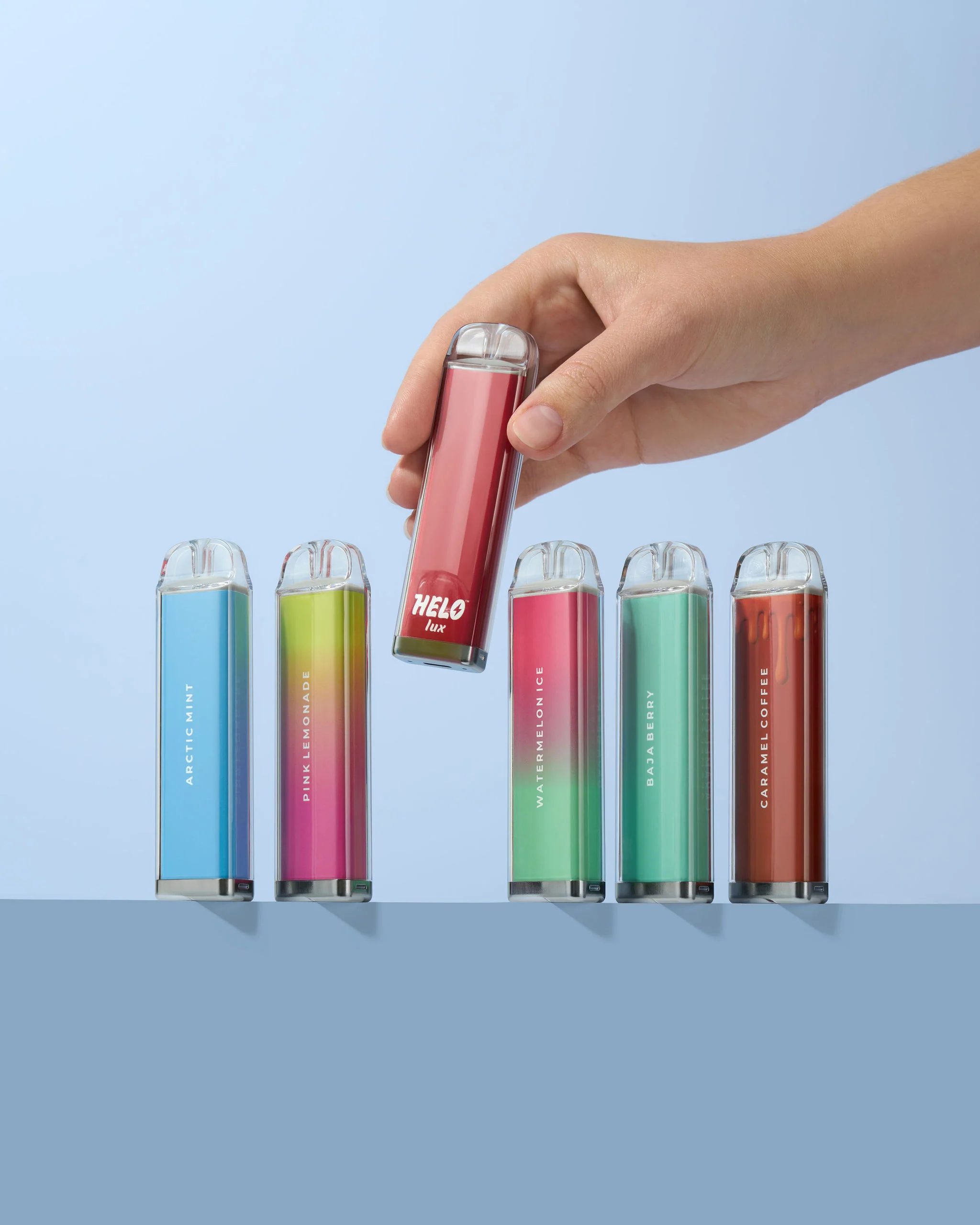
MELO Labs focuses on clean ingredient transparency and controlled formulations. The nicotine-free products are built around a simple principle: use fewer ingredients, but use them well. Typical MELO Labs formulas include a few carefully selected components:
-
Food-grade PG sourced from trusted suppliers
-
EU compliant VG derived from plant oils
-
Carefully tested fruit flavorings or mint flavors
-
Optional purified water in high-VG blends
Each ingredient supports specific performance goals. PG improves flavor intensity and vapor stability. VG provides the dense clouds and smooth inhale many users prefer. Flavor blends emphasize natural taste and balanced sweetness without excessive additives.
MELO Labs also excludes unnecessary compounds from its formulas. To keep formulations cleaner, certain ingredients are intentionally excluded:
-
Diacetyl
-
Acetyl propionyl
-
Vitamin E acetate
-
Unverified stimulants or nicotine analogs
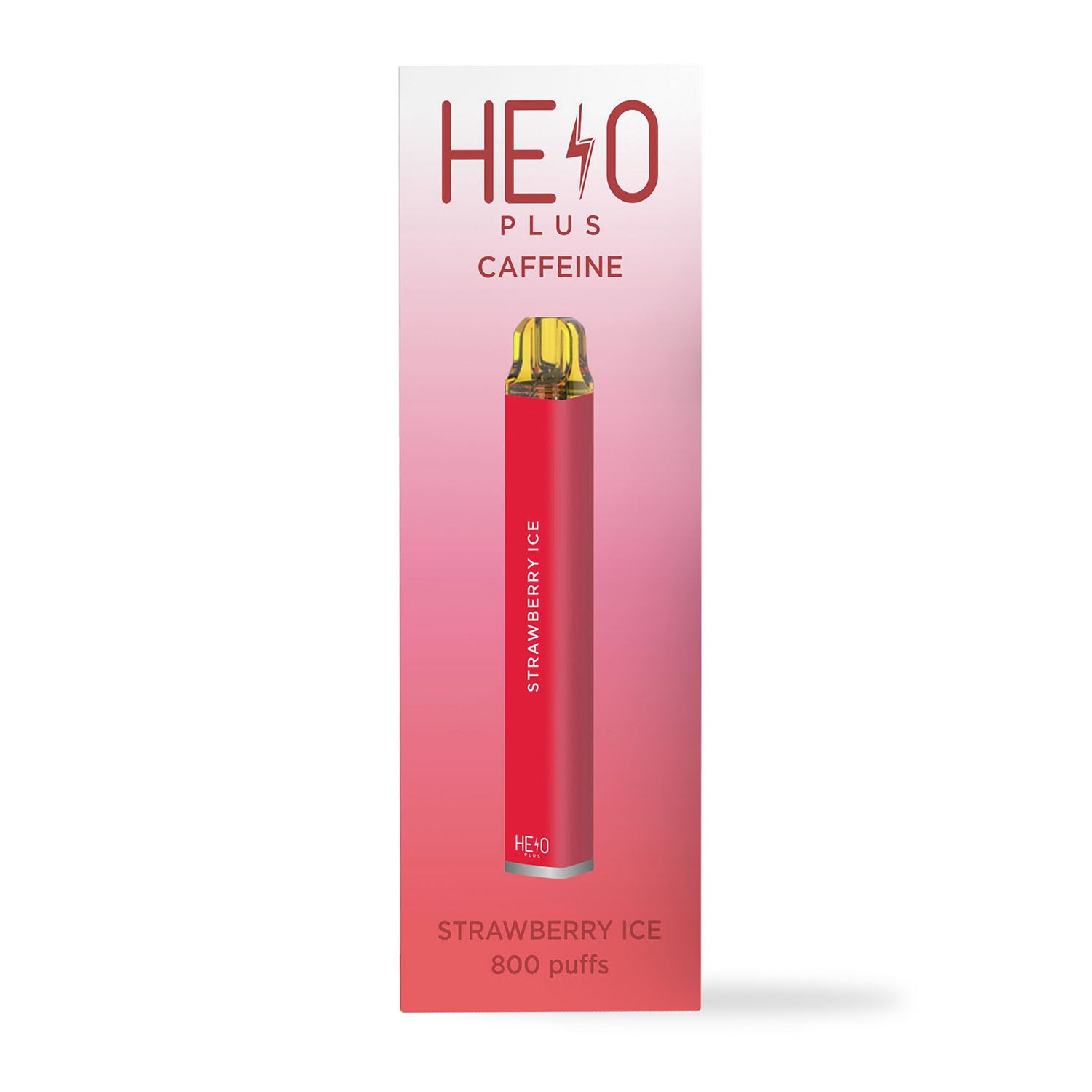
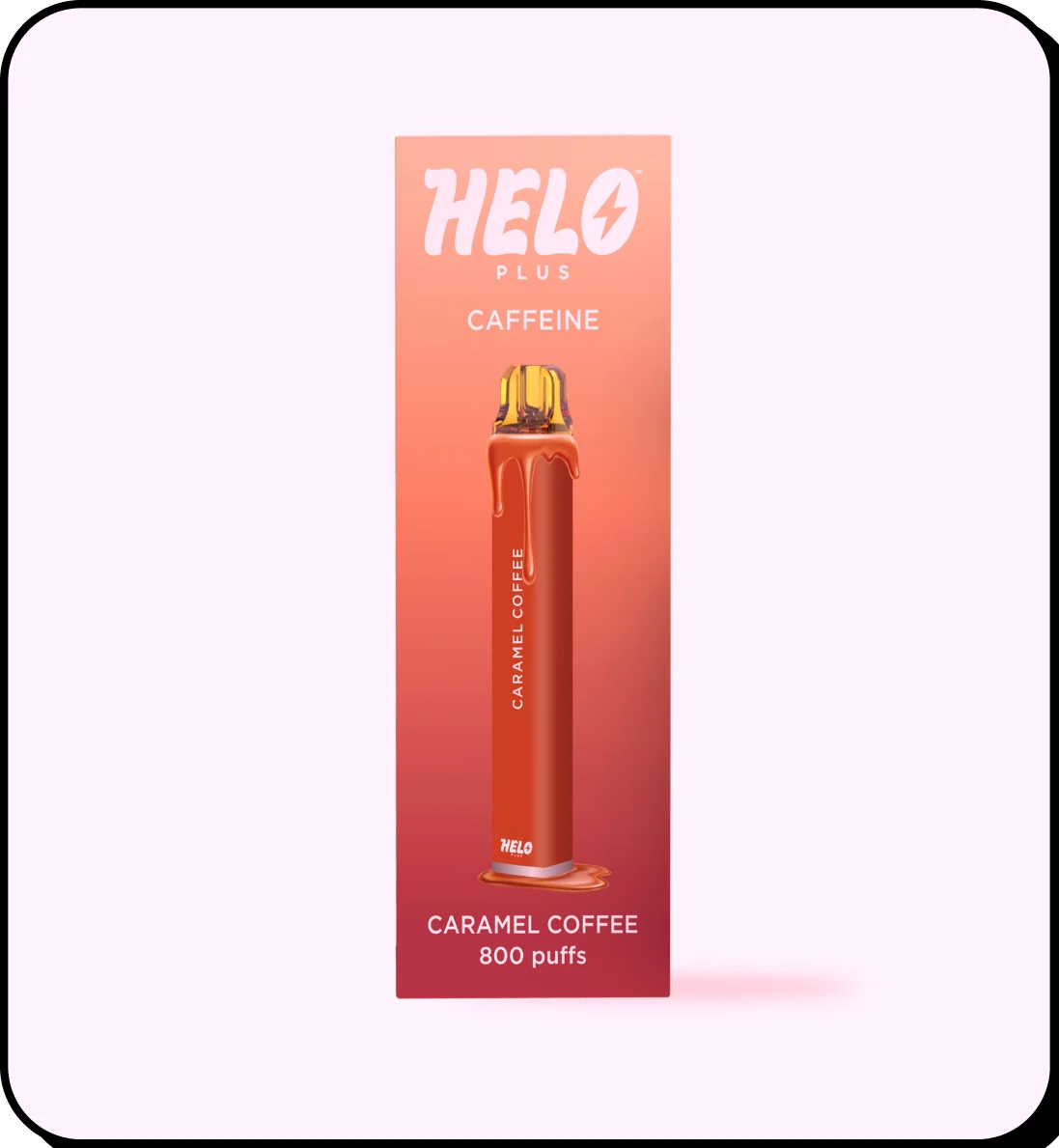
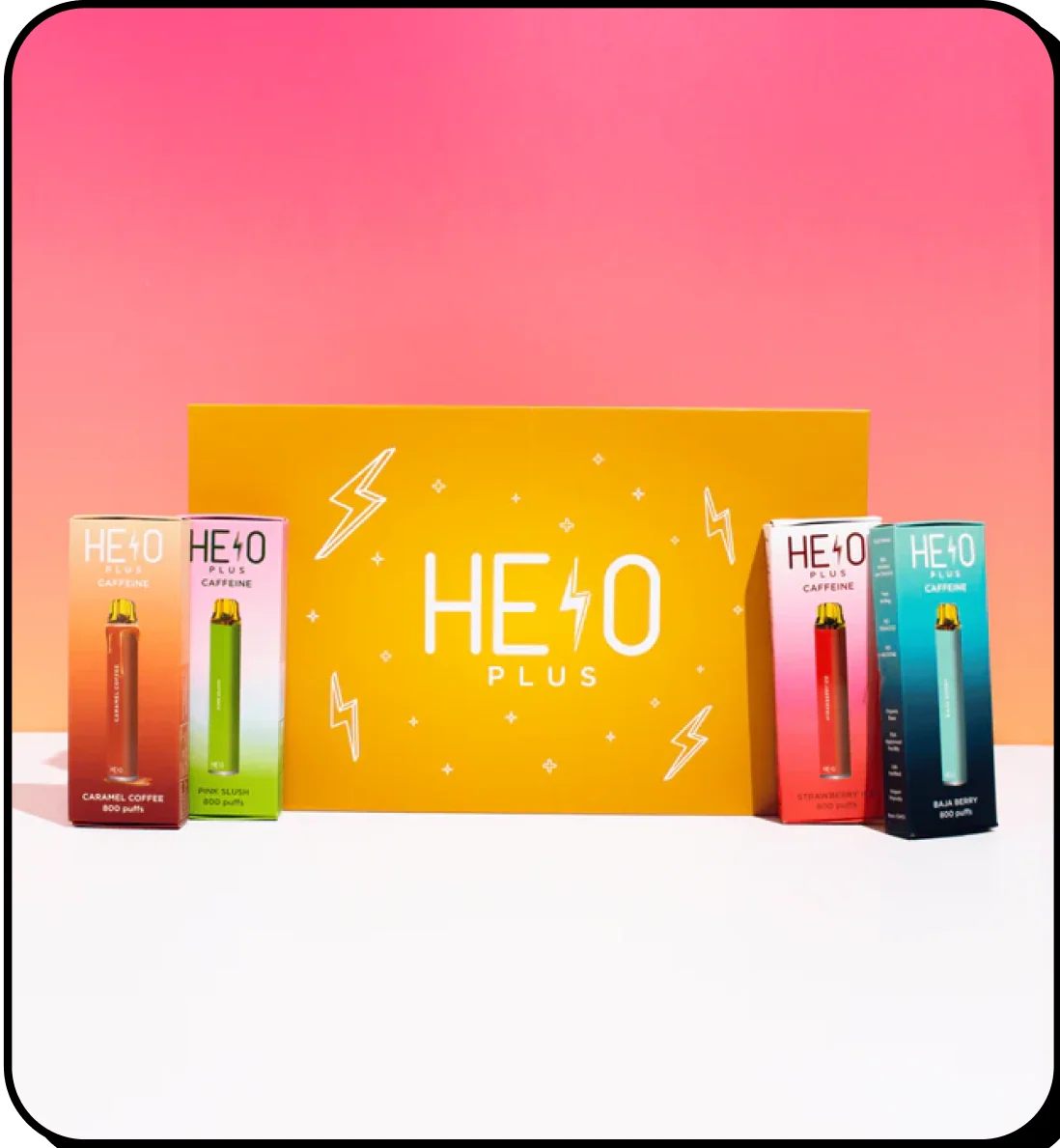
Production often follows strict quality controls such as ISO-certified environments and batch verification. These standards support consistency and transparency across every bottle or nicotine-free disposable device. The brand's caffeine diffuser products exemplify this commitment to ingredient purity and innovative formulations.
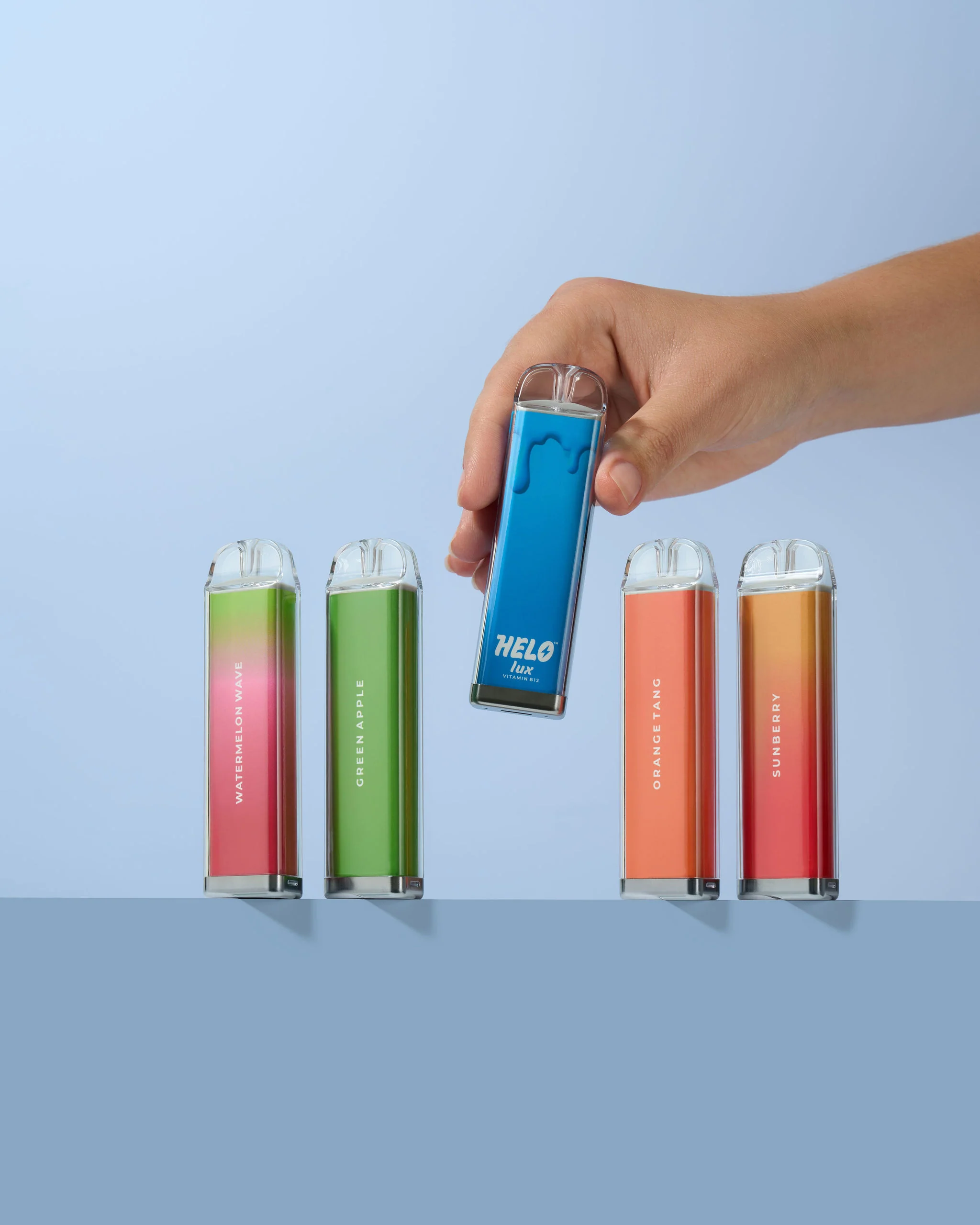
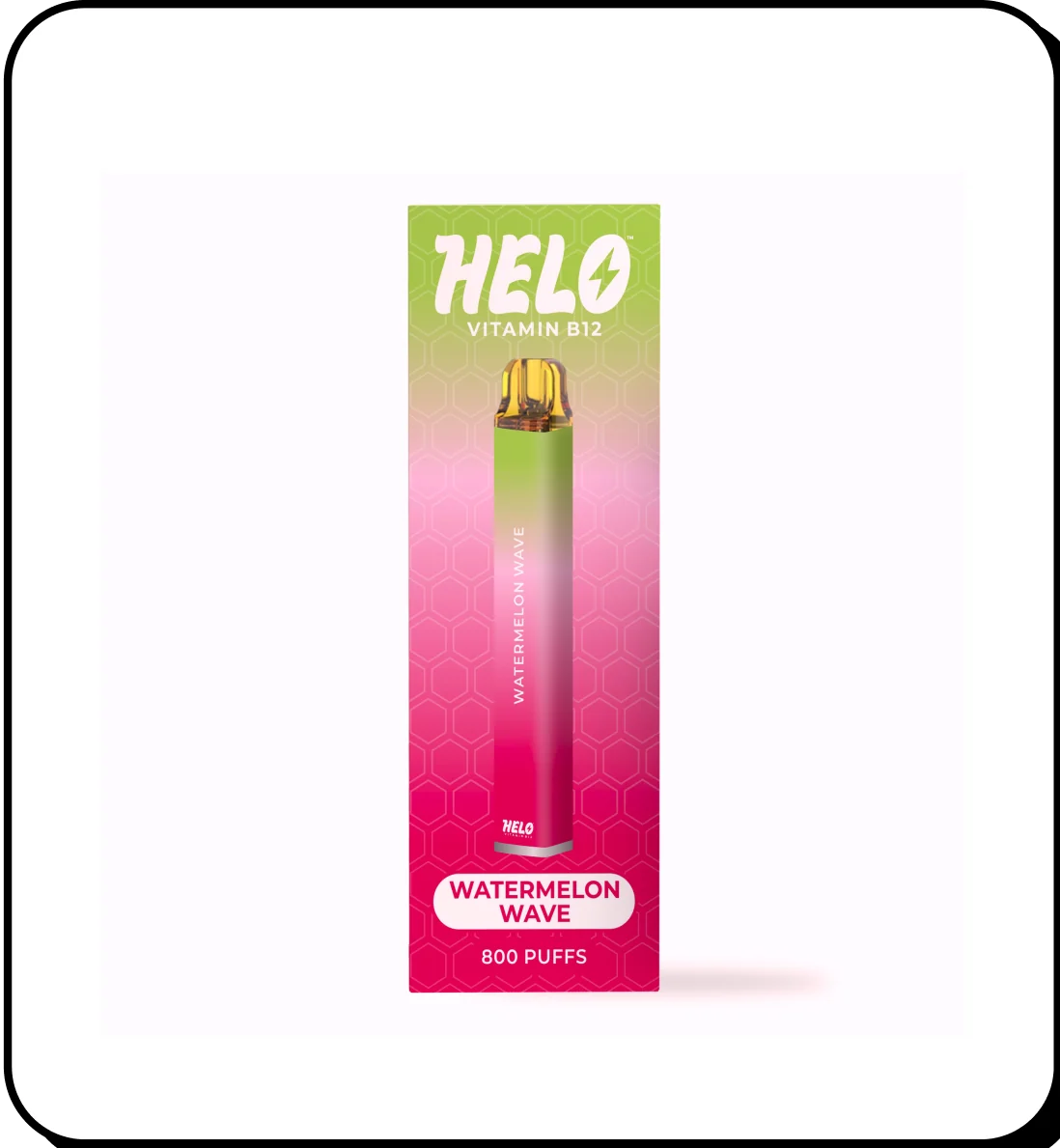
Additionally, MELO Labs offers specialized products like vitamin B12 diffusers that incorporate beneficial ingredients beyond traditional flavor compounds, demonstrating their dedication to functional wellness benefits.
Tips for Choosing Quality No Nicotine Vape Ingredients
Not all zero nicotine vape products are made equally. Ingredient sourcing and formulation standards make a major difference. When evaluating a product, look for clear labeling and reputable manufacturing.
When evaluating a vape liquid, several indicators usually suggest higher manufacturing quality:
-
USP-grade glycerin and food-grade PG
-
Transparent ingredient lists
-
Absence of questionable additives
-
Consistent PG VG ratio labeling
-
Independent laboratory testing
You should also maintain your device properly. Cleaning coils, avoiding excessive wattage, and storing liquids correctly all help maintain stable vapor chemistry. Understanding what goes into your vape juice allows you to make more informed choices.
For those seeking stress relief without nicotine, exploring calming vape options can provide relaxation benefits through natural aromatherapy compounds rather than addictive substances.
What This Means for Vapers
A no nicotine vape ingredients composition still relies on a small group of ingredients, mainly propylene glycol, vegetable glycerin, and flavorings that shape vapor, flavor strength, and throat feel. Removing nicotine reduces the addictive component, but it does not automatically make inhaling vapor risk-free.
Understanding what goes into a vape helps you make more informed choices. Brands such as MELO Labs focus on simpler formulas and clearer ingredient transparency so users know what they are inhaling. With the growing market for nicotine-free alternatives, consumers can explore various product comparisons, such as Capnos vs Ripple, to find products that align with their preferences and safety standards.
References
-
Digitale, Erin. “Yuck! Don’t Vape That.” Stanford Medicine, 25 May 2022, https://med.stanford.edu/news/insights/2022/05/yuck-dont-vape-that.html
-
Hawks, Jenna, et al. “The Truths Behind Vaping: Information for Youth and Teens.” Utah State University Extension, https://extension.usu.edu/be-epic/research/the-truths-behind-vaping-information-for-youth-and-teens
Leave a comment