

Is Vaping Bad for You?
Vaping is generally less harmful than smoking cigarettes, but the risk depends on how often you vape, what you vape, and why you vape. Some vapes are way less toxic than others, and there are even nicotine-free options that can help you get an energy boost or a great night’s sleep. Here’s the clearest possible breakdown:
Vaping vs. Smoking: Are Vapes Worse Than Cigarettes?
If you’re trying to understand how bad vaping is, it helps to compare it to its older cousin: smoking.
Traditional cigarettes burn tobacco. That process creates cigarette smoke, which contains over 7,000 chemicals, including tar and carbon monoxide. These chemicals (many of which are toxic or carcinogenic) are what make smoking so harmful.
Vapes, on the other hand, don’t contain tobacco and don’t burn anything. Instead, they heat a liquid — usually containing nicotine, flavoring, and a base like propylene glycol — to create a vapor you inhale.
Vaping is not technically considered smoking because smoking involves combustion, and vaping doesn’t. But both deliver nicotine, which is absolutely addictive. Nicotine is a stimulant drug, and it can increase heart rate, reinforce dependence, and trigger withdrawal when you stop.
Most evidence says that vaping is safer than cigarettes, but vaping is not completely safe — especially when your vape contains nicotine. Cigarettes produce more chemicals and more long-term damage. But that doesn’t mean vapes are harmless.
Vaping can still make you sick with side effects like coughing, dry mouth, nausea, headaches, and dizziness. Some people also report throat irritation or short-term breathing issues.
Secondhand vapor
Can you get secondhand smoke from a vape? Not exactly, because vapor isn’t smoke. But you can inhale secondhand aerosol, which still contains nicotine and trace chemicals. It’s generally less harmful than secondhand cigarette smoke, but not risk-free.
What Does Vaping Do to You?
So why is vaping bad for you at all? The biggest concern is the impact of inhaling chemicals directly into your lungs. A typical disposable vape contains around 6–20 ingredients, depending on the brand. That’s far fewer than cigarettes, but “fewer” doesn’t automatically mean harmless. The concern isn’t nicotine alone—it’s inhaling these substances directly into lung tissue.
What is in a vape?
Most vape liquids include:
-
Propylene glycol (PG)
-
Vegetable glycerin (VG)
-
Flavorings
-
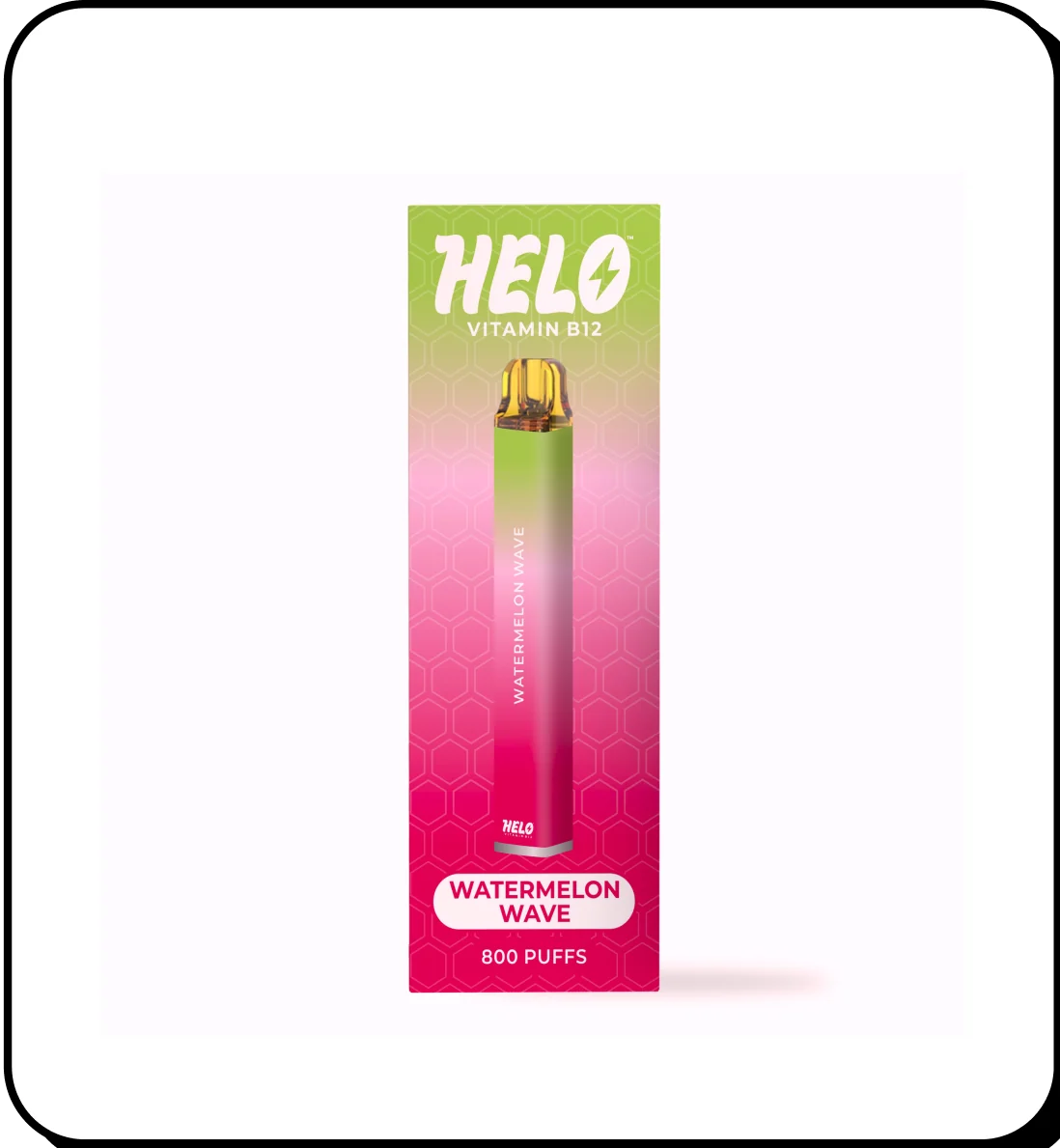
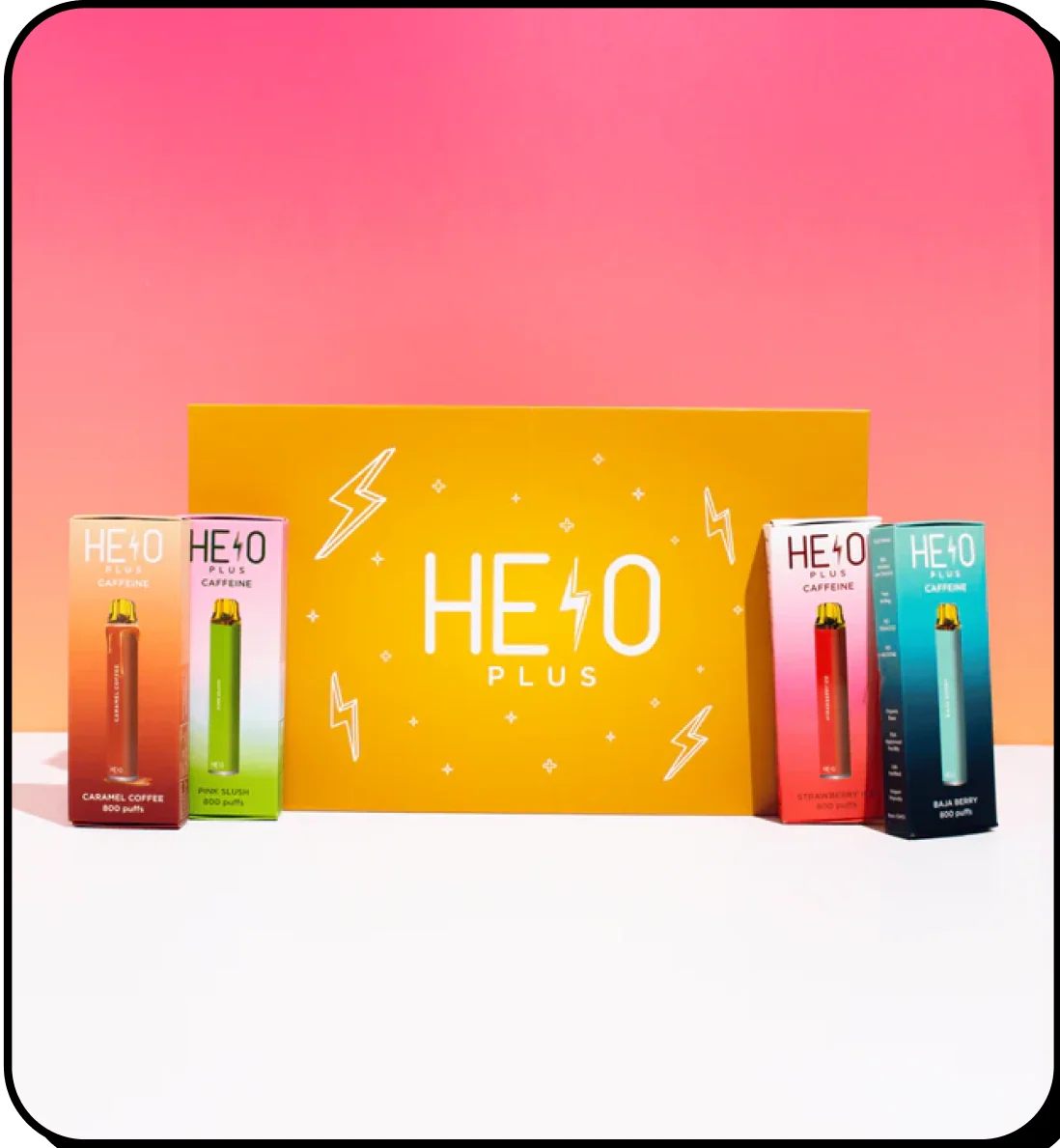
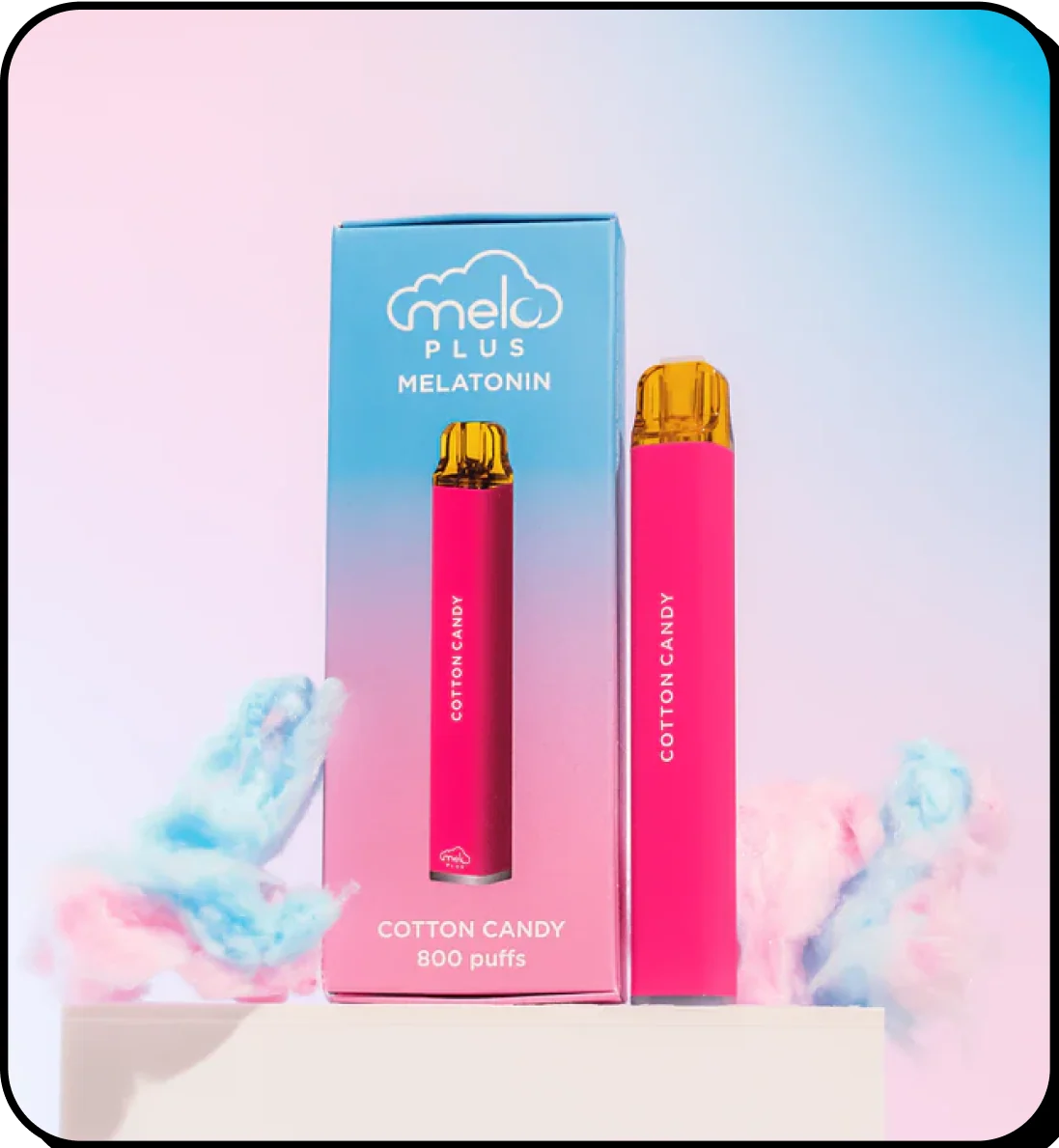
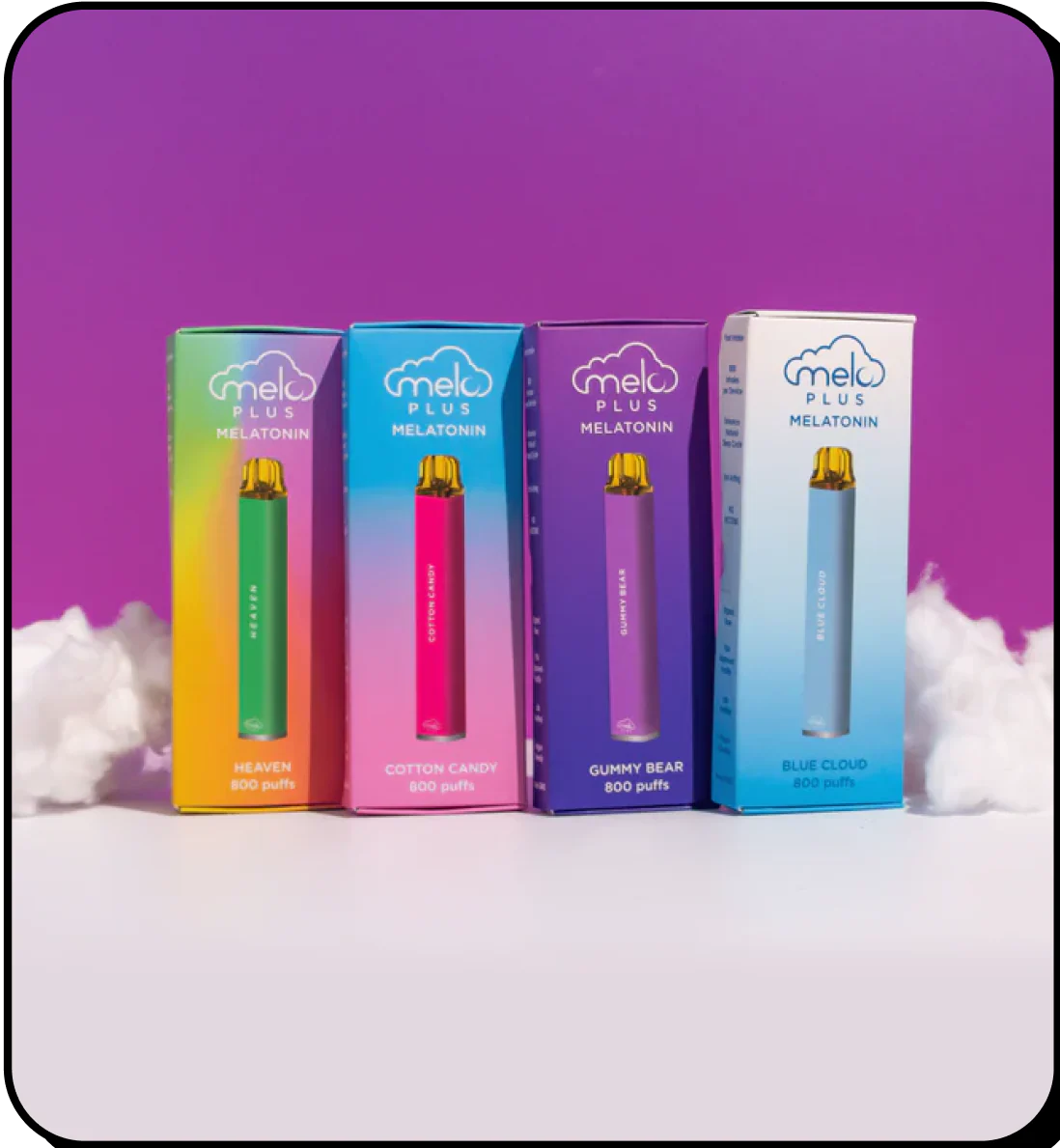
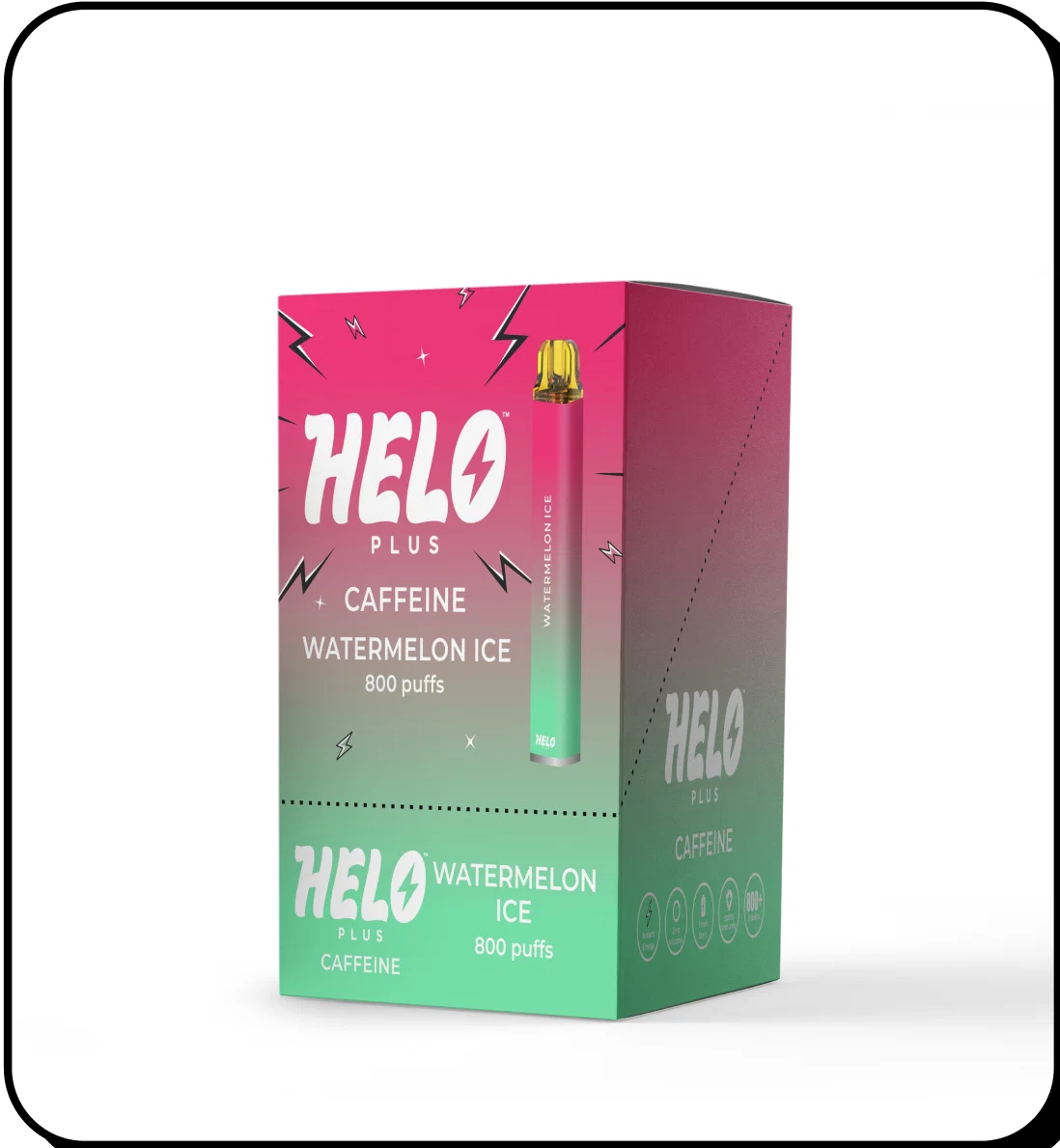
Nicotine (unless it’s a nicotine-free product like HELO or MELO)
Vaping side effects
Short-term effects may include:
-
Dryness in the throat or mouth
-
Coughing
-
Headaches
-
Dizziness
-
Increased heart rate
-
Nicotine dependence

Long-term effects of vaping
Research is still developing, but early findings suggest potential risks like:
-
Chronic respiratory irritation
-
Reduced lung function
-
Increased inflammation
-
Worsened asthma symptoms
-
Long-term nicotine addiction
In rare cases, contaminated or poorly regulated vape liquids have caused severe lung injuries.
Dangers of vaping
The biggest dangers come from:
-
Nicotine addiction
-
Unknown long-term effects of inhaling flavoring chemicals
-
Misuse of high-strength devices
-
Counterfeit or unregulated vape products
Vape facts
-
Vapes don’t produce tar or carbon monoxide (major smoking toxins).
-
Some vape liquids contain zero nicotine.
-
Disposable vapes often contain higher nicotine levels than refillable ones.
-
Teens and young adults are more susceptible to nicotine addiction.
Are there any benefits of vaping?
Potentially—but they’re situational. If someone switches from smoking to vaping, they may:
-
Reduce exposure to harmful combustion chemicals
-
Avoid the tar buildup associated with smoking
-
Experience fewer respiratory symptoms over time
But this applies mainly to smokers switching over, not non-smokers starting fresh. For a deeper look at the tradeoffs, check out our full breakdown of the pros and cons of vaping without nicotine.
How Does Vaping Affect Your Lungs and Heart?
Lungs
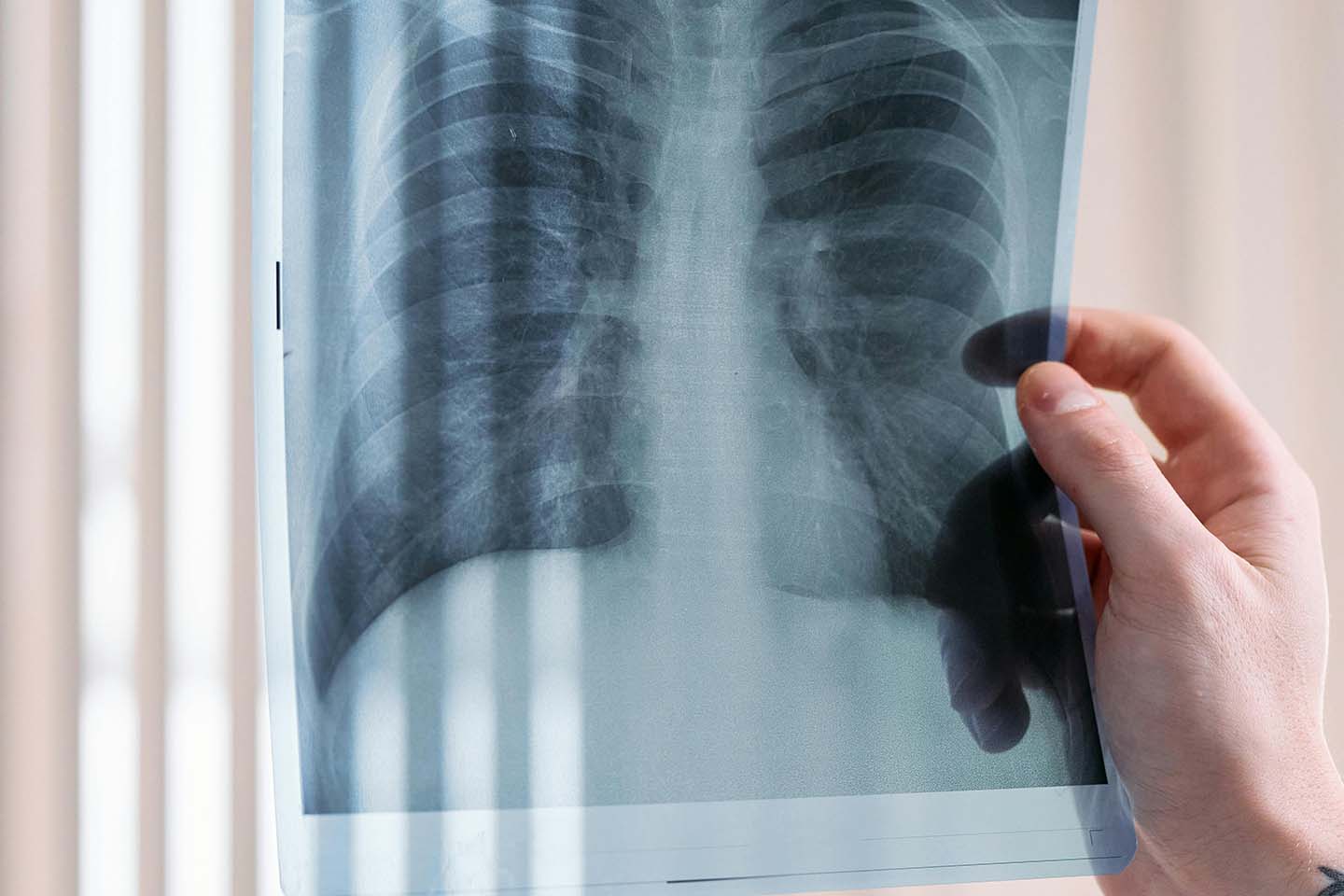
People often ask what lungs look like after vaping for 2 years. While vaping doesn’t blacken the lungs the way smoking does, that doesn’t mean it’s harmless. Studies show:
-
Increased inflammation
-
Irritated airways
-
More mucus production
-
Higher sensitivity to respiratory triggers
“Vape lungs” or “vaper lungs” isn’t a medical term, but some long-term users experience shortness of breath, coughing, and decreased aerobic endurance.
Heart health
Can vaping cause heart problems? Nicotine can strain your cardiovascular system by increasing:
-
Blood pressure
-
Heart rate
-
Artery stiffness
This raises the risk of heart issues over time, especially for people with preexisting conditions.
Healthy Vapes, Ingredients & Brand Questions
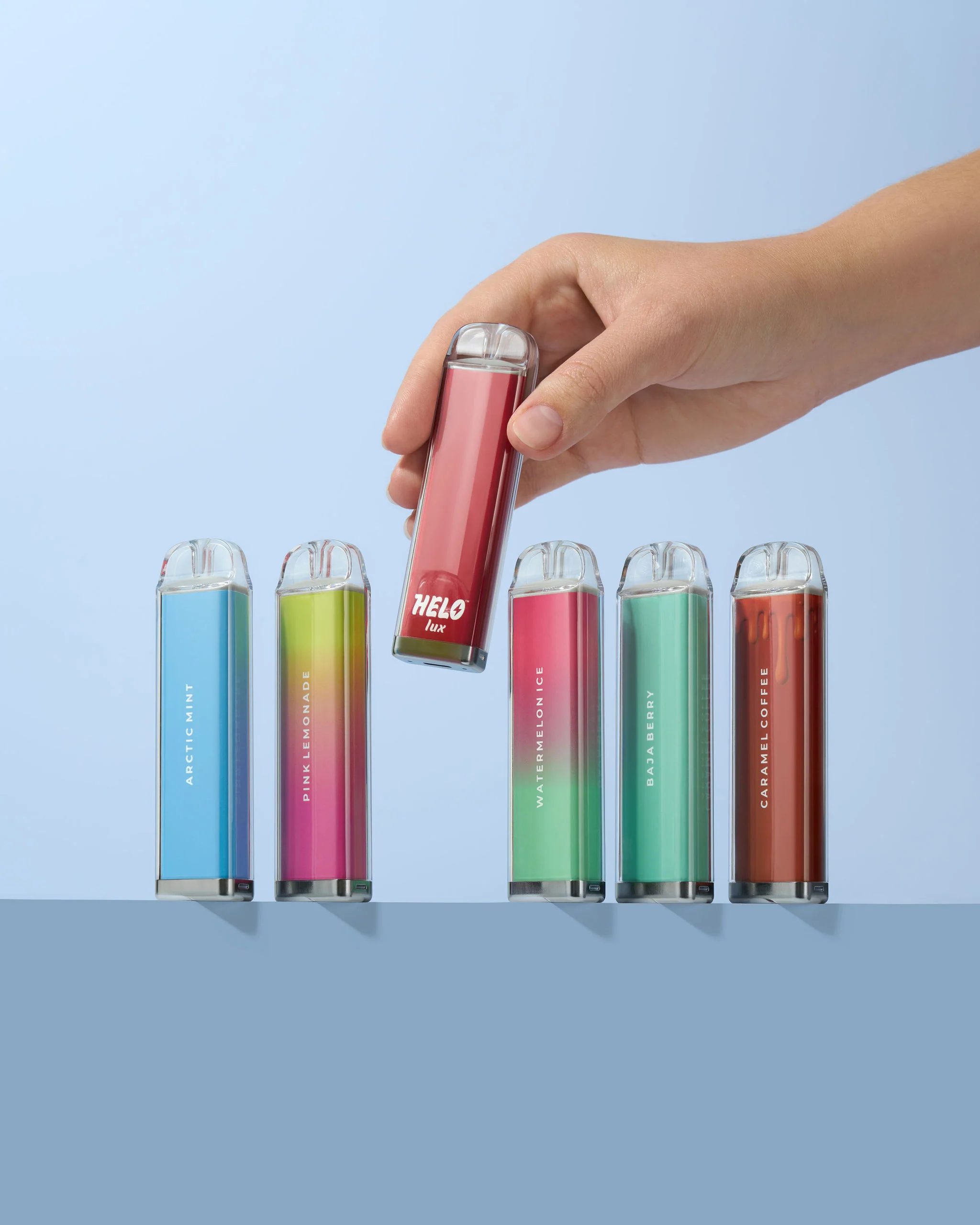
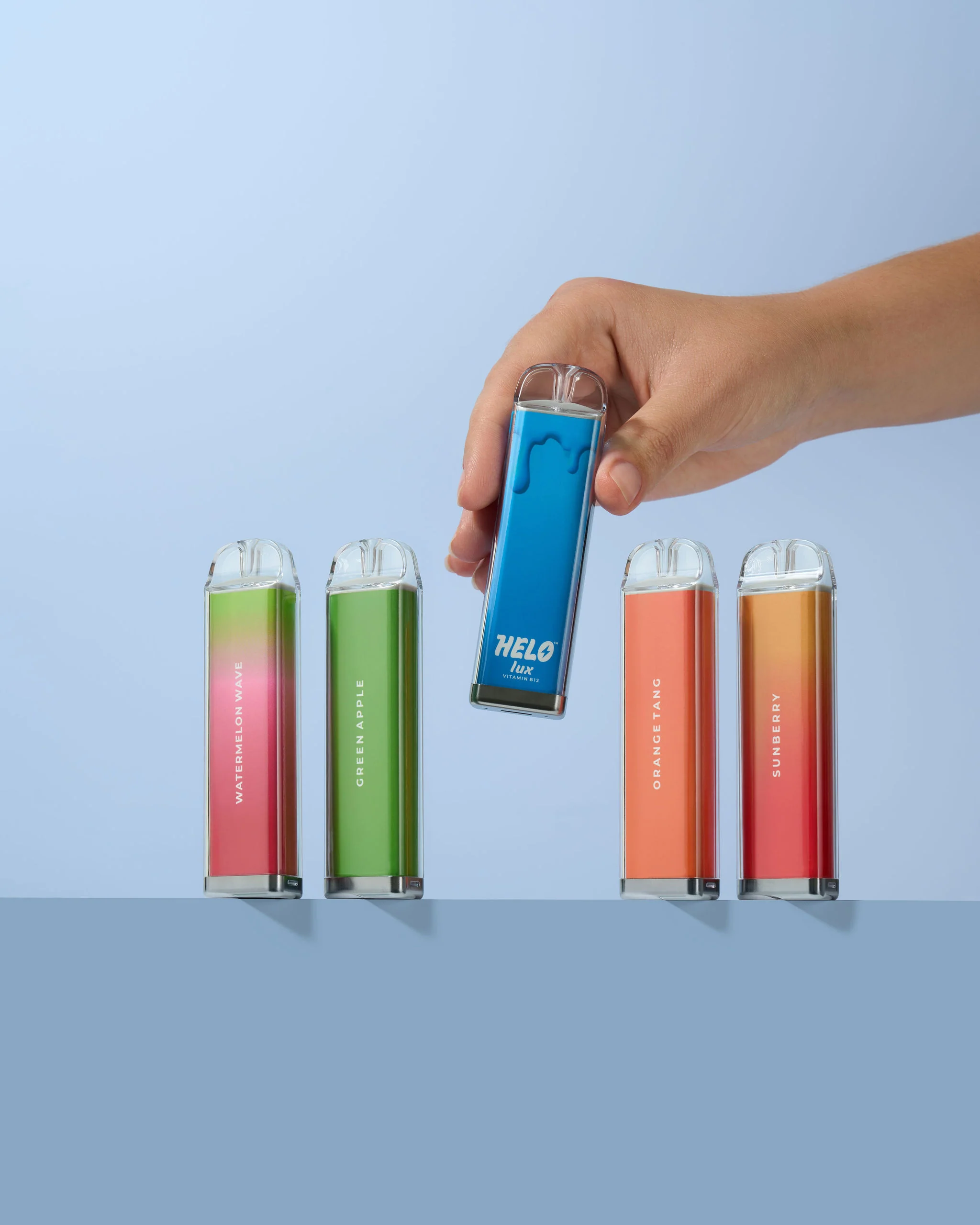
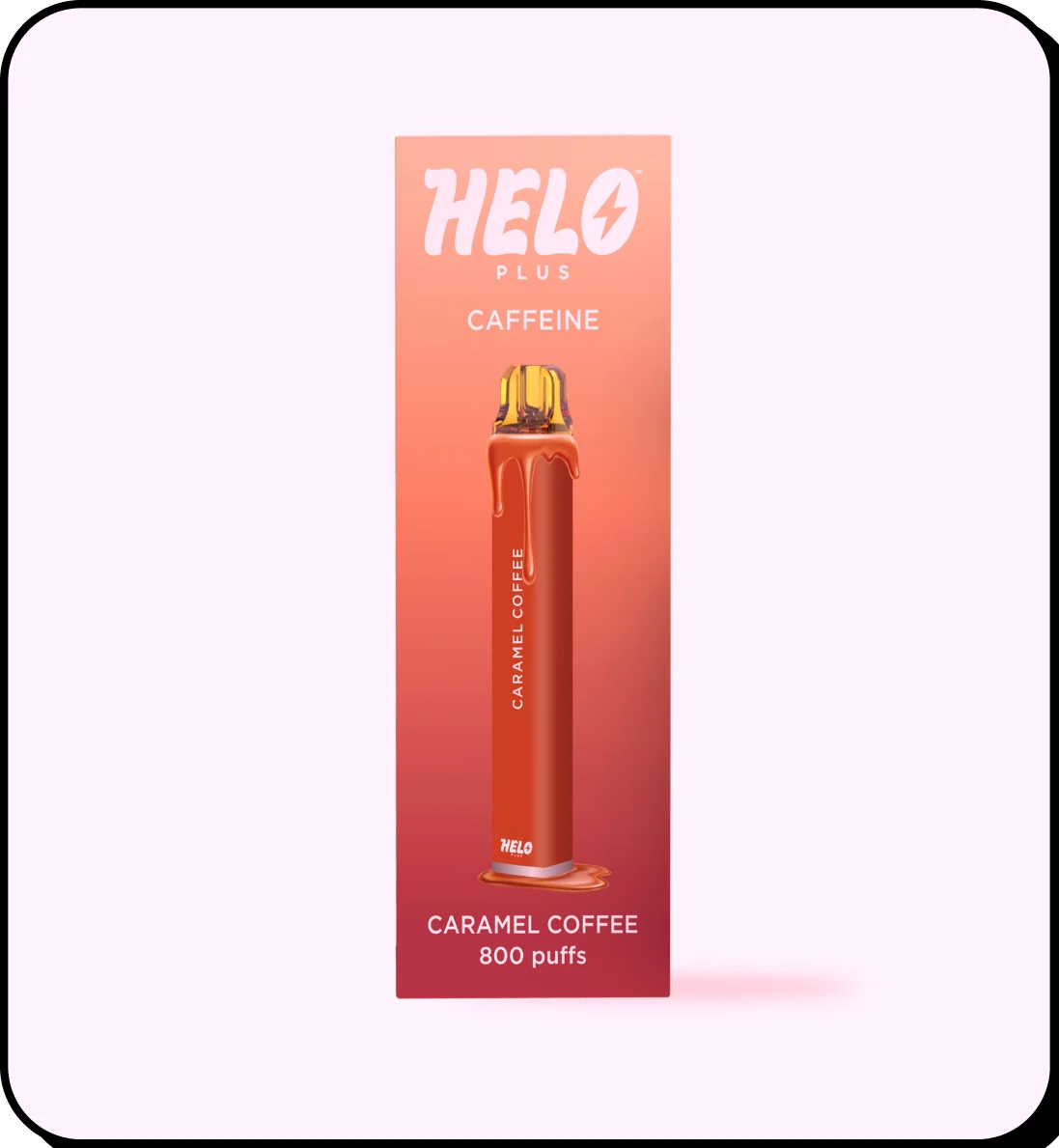
Brands like MELO Air or HELO Energy are not as bad as traditional vapes because we offer nicotine-free vapes, often infused with melatonin or caffeine. No nicotine is a plus, but inhaling any substance (even “wellness formulas”) still carries risks. A nicotine-free vape won’t cause nicotine addiction, but it can irritate your lungs and isn’t recommended for people with conditions like asthma.
There is no such thing as a completely healthy vape. Some e-cigarettes are less harmful than others—nicotine-free, well-regulated, and tested products—but inhaling vapor into your lungs will always carry risk.
Vape Liquid Basics
Vape liquid (also called e-liquid or vape juice) is the mixture your device heats. The fewer unknown chemicals, the better. If you choose to vape, look for:
-
Transparent, third-party lab reports
-
Nicotine levels that match your intention (We recommend 0%)
-
Clean formulas without diacetyl or heavy metals
Bottom Line: Is Vaping Bad for You?
Vaping is less harmful than smoking, but it still comes with real risks—especially when it comes to lung irritation, cardiovascular strain, and nicotine addiction. If you don’t smoke, there’s no reason to start vaping. If you do smoke, switching to a zero-nicotine vape may reduce harm because quitting nicotine altogether is the healthiest option.
Leave a comment