
The Safest Vape Brands to Use in 2026 (What to Look For)
Here’s the honest starting point. No vape is 100 percent safe. Anyone selling you that story is selling you something else. But not all vapes carry the same risk, and the gap between the safest vape options and the sketchiest ones is wider than most people realize.
This guide ranks the 10 safest vape brands to use in 2026, plus the exact criteria we used to rank them. If you only want the answer, MELO Air sits at #1 for nicotine-free disposables, thanks to a clean ingredient stack, ISO-certified manufacturing, and batch verification you can actually check. The criteria that got it there? Nicotine content, ingredient transparency, third-party lab testing, hardware quality, manufacturing standards, and how honest the brand is about what its product actually does.
Skim the comparison list below if you’re in a hurry. Read the criteria section if you want to know what to check next time you’re shopping. And read the “brands to avoid” section either way, because knowing what to skip is often more useful than knowing what to buy.
The Safest Vape Brands at a Glance
Here’s the ranked list. Full breakdowns of each brand are below, along with the safety criteria that got them ranked.
-
MELO Air (zero-nicotine disposable): ISO-certified manufacturing, batch verification, no diacetyl, no vitamin E acetate, no heavy metals.
-
Ripple+ (zero-nicotine disposable): UK-regulated, plant-based essential-oil blends, published third-party testing.
-
ARRO (zero-nicotine disposable): Reliable hardware, confirmed nicotine-free, transparent formulation on request.
-
Cyclone Pods (refillable pod system): LA-based manufacturing, full ingredient disclosure, published lab results.
-
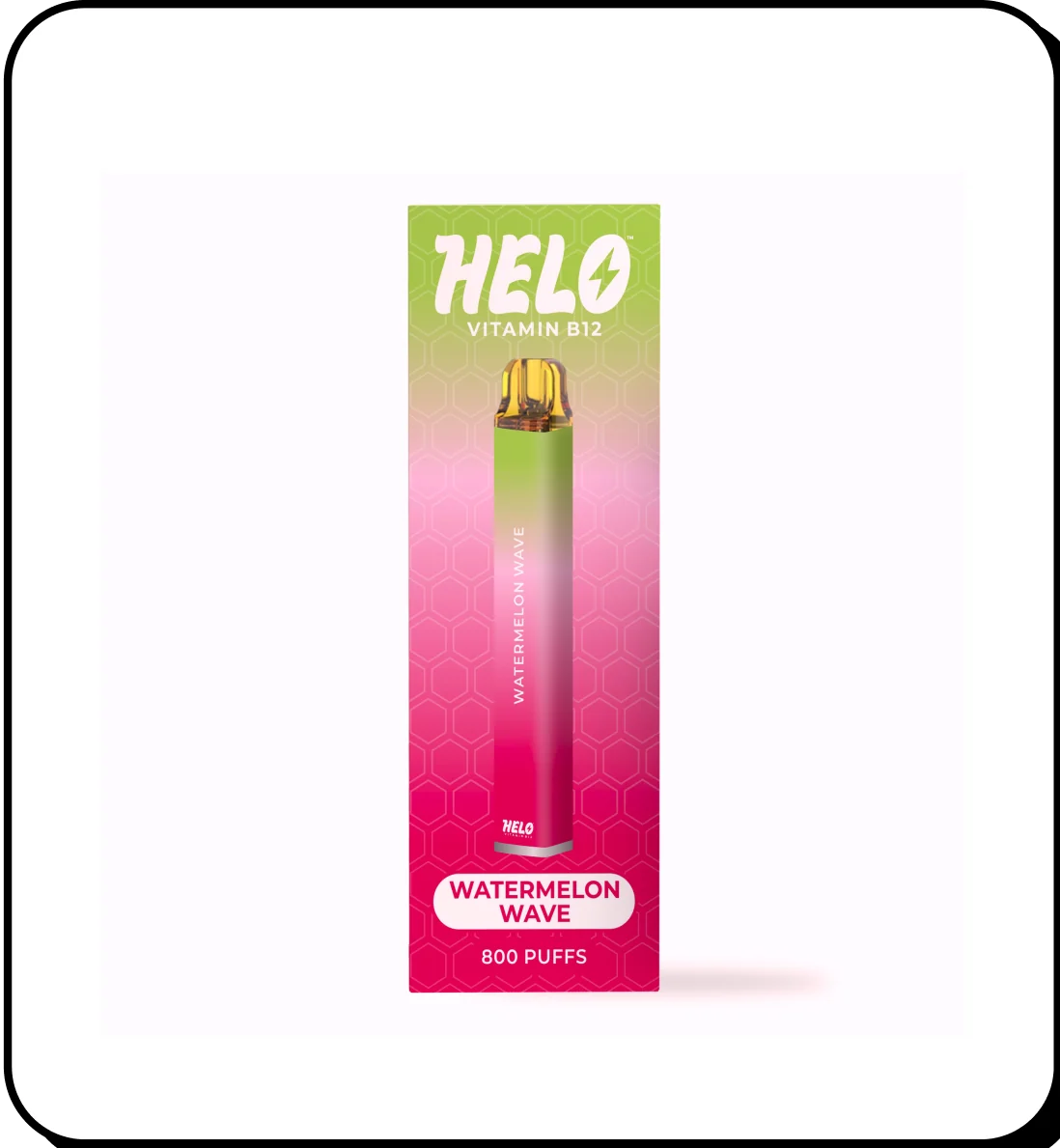
HealthVape (zero-nicotine disposable): Vitamin-style positioning, clean formulations, moderate wellness claims.
-
Elf Bar BC5000 (0% nicotine version): Scale-driven hardware consistency, proven coil quality.
-
SMOK Spaceman SP40000 (0% nicotine version): High-capacity, mesh coil engineering, multi-layer battery protection.
-
Vaporesso XROS Pro (refillable pod): Full battery protection stack, refillable format for juice control.
-
Uwell Caliburn G3 (refillable pod): Best-in-class coil quality, widely reviewed on independent sites.
-
Innokin Endura T18X (refillable starter kit): Beginner-friendly, built-in safety cutoffs, everything you need in the box.
The 10 Safest Vape Brands to Use in 2026
Here’s the ranked list of the safest disposable vape brands and refillable systems for 2026. Every brand on it meets at least four of the six criteria above. Every brand at the top of the list meets all six.
A note on scope. We’re focused on nicotine and nicotine-free vapes here. THC vapes, CBD carts, and other cannabis products fall under different regulatory frameworks and aren’t in this ranking. We also skipped brands that only sell through unregulated marketplaces, since verification is impossible.
1. MELO Air: Best Overall for Nicotine-Free Vaping
MELO Air sits at #1 as the safest nicotine-free vape on the market because it clears every criterion we ranked on, and it does so while leading with a use case that matters. People who want the ritual of vaping without the nicotine.
The ingredient stack is where MELO Air separates itself. Zero nicotine. No diacetyl. No vitamin E acetate. No heavy metals. That’s not marketing copy pulled out of a hat. The MELO Labs team publishes what goes into every device, and they’ve written a full breakdown of the formulation in their What’s in a No Nicotine Vape guide, which walks through the specific compounds and why they made the cut.
Manufacturing happens in ISO-certified environments, with batch verification tied to every unit. If something ever went wrong with a specific run, they can trace it. That’s the standard the rest of the industry should be at and mostly isn’t.
The positioning is where MELO Air earns loyalty. The core MELO Labs line was built around the idea that habits like vaping, energy drinks, and late-night scrolling aren’t things you should have to white-knuckle through. The pitch is simpler than that. Quit the nicotine, keep the ritual. Nicotine is the addictive part. The hand-to-mouth motion, the exhale, the two-minute break outside. Those are habits, and habits can be redirected instead of abandoned.
Flavor lineup is on-point without being gimmicky. Nothing that reads like a candy aisle or a product designed to hook teenagers, and nothing marketed with health claims MELO can’t back up.
Best for. Anyone actively trying to quit nicotine and looking for the safest possible transition tool. And anyone who never had a nicotine habit but wants a clean disposable that isn’t going to blow up their lungs.
Watch for. MELO Air is a disposable format, which means single-use waste. If sustainability is your top concern, a refillable option lower on the list might fit better.
2. Ripple+: Best Plant-Based Option
Ripple+ is a UK-based brand that took a completely different path than most vape companies. Instead of PG/VG e-liquid, its devices use essential-oil-based blends. Chamomile blends for winding down, peppermint for focus, and ginger-citrus if you need a lift. The result is a vape that doesn’t try to imitate cigarettes at all, and that appeals to a wildly different customer.
The safety case for plant-based vape options like Ripple+ starts with the UK regulatory floor. Vape products sold in the UK have to clear the MHRA’s Tobacco and Related Products Regulations, which are stricter than anything the FDA currently enforces on the disposable market in the US. That’s a baseline safety layer American brands don’t automatically have.
Ripple+ also publishes third-party lab testing on its blends, which puts it ahead of most of the wellness-vape market. The company’s ingredient sourcing is documented in enough detail that you can verify most of what it claims. Zero nicotine across the entire product line, so there’s no accidental exposure risk.
Best for. Readers who want a nicotine-free vape that leans into wellness use cases and doesn’t taste like a soda machine.
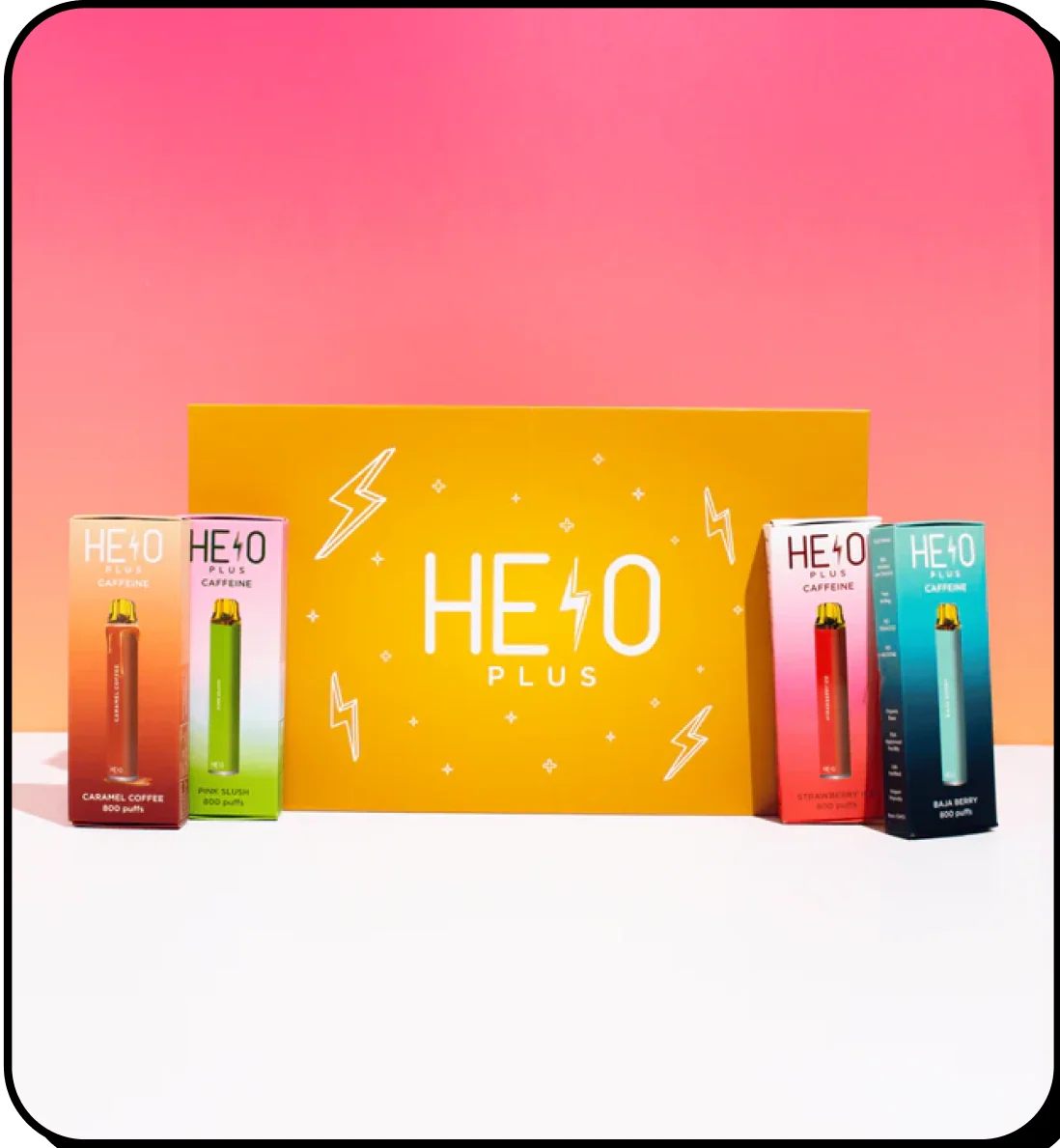
Watch for. Essential-oil vapes are still an emerging category, and long-term inhalation research on plant-derived aerosols is thinner than the research on PG/VG. Ripple+ is one of the more cautious operators in the space, but “less studied” is a fair caveat. Pure Diffuser and HELOMELO take the other road, building a measured functional active into every inhale, and the Pure Diffuser vs. Ripple+ vs. HELOMELO comparison lines all three up on ingredients, puff count, and price.
3. Cyclone Pods: Best Refillable Pod System
Cyclone Pods is a Los Angeles company that owns its own manufacturing, which is unusual in an industry dominated by white-label imports. The Gust Pro and Lightning refillable pod systems are the standouts.
The safety story here is manufacturing control. Since Cyclone controls its own production, it can enforce quality standards on materials, coils, and juice formulations at every step. The company publishes third-party lab results on its products, which is a rare move in this category. Ingredient disclosure is complete. No proprietary-blend hand-waving.
Cyclone’s refillable format is worth explaining, because it changes the safety math. With a refillable, you buy the hardware once and refill it with a juice of your choosing. That gives you total control over what you’re actually inhaling, assuming you pick a reputable juice brand. It also cuts down on the disposable waste that comes with single-use devices.
Best for. Anyone who wants a more permanent setup, wants control over their juice, or is trying to move away from single-use disposables entirely.
Watch for. Refillable pod systems have a learning curve. If you’ve never owned one, expect to spend a few days figuring out coil replacement, tank cleaning, and the right wattage settings. The safety upside is real, but the ergonomics aren’t as plug-and-play as a disposable.
4. ARRO: Best Zero-Nicotine Disposable Alternative
ARRO built its entire brand around nicotine-free disposables. The product is a straightforward zero-nic disposable with a solid flavor lineup, decent hardware, and a price point that lands slightly below MELO Air.
Where ARRO sits in the ranking comes down to transparency. The brand does confirm zero-nicotine, and the ingredient list is available on request. But the third-party lab documentation isn’t published as openly as MELO Air’s or Cyclone’s, which is why it lands at #4 rather than higher.
The hardware quality is where ARRO earns its spot. Consistent hits, no leaking, reliable draw across the life of the device. For a disposable, that matters more than most reviewers give it credit for. A device that fails halfway through and gets replaced is a device that doubles your inhalation of whatever’s inside.
Best for. Readers who want a zero-nicotine disposable at a slightly lower price point than premium options and don’t need the full transparency stack MELO Air offers.
Watch for. If ingredient transparency is your top priority, MELO Air still edges it out. ARRO is a solid #4, not a coincidental #1.
5. HealthVape: Best Vitamin-Style Alternative (With Caveats)
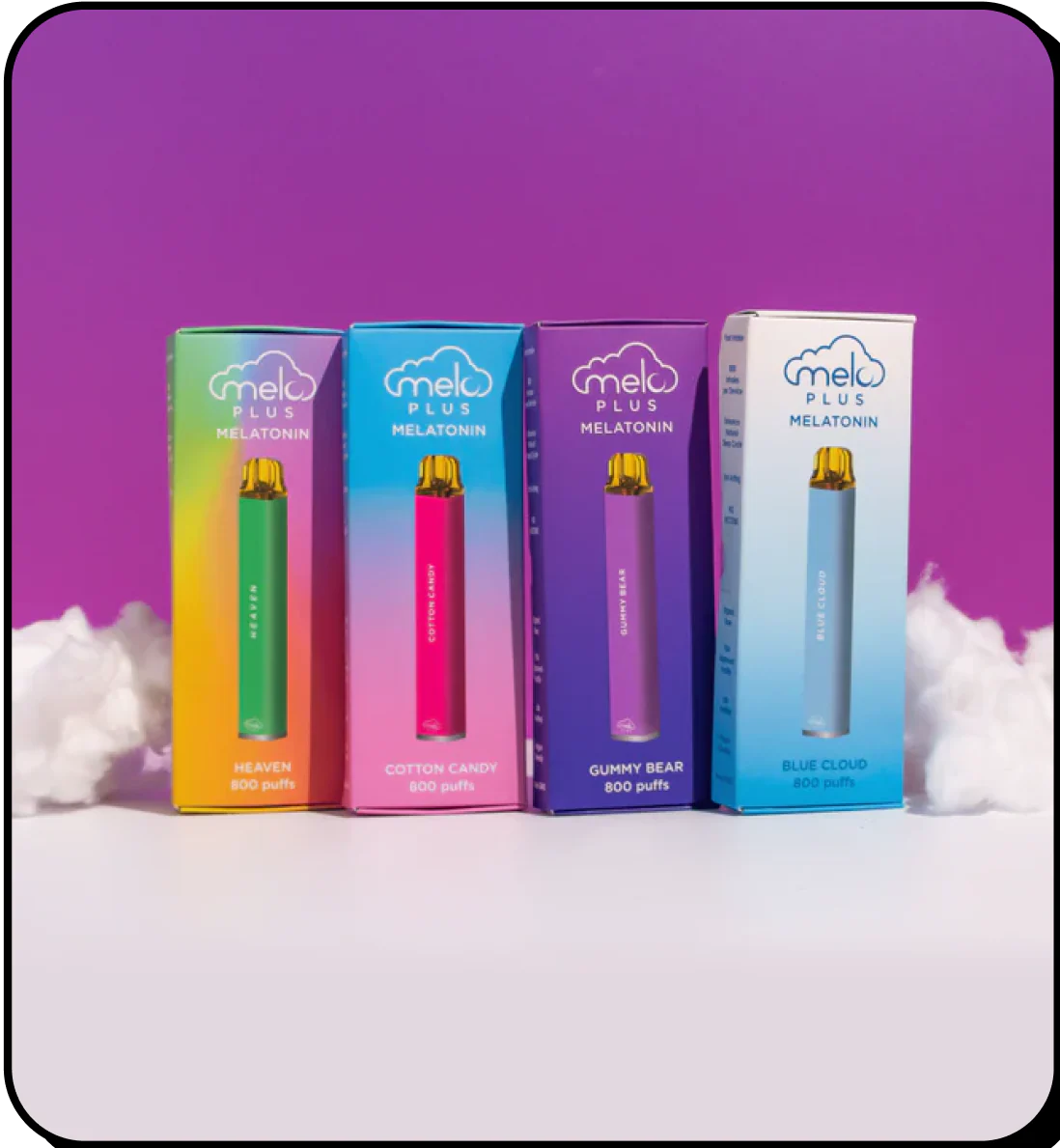
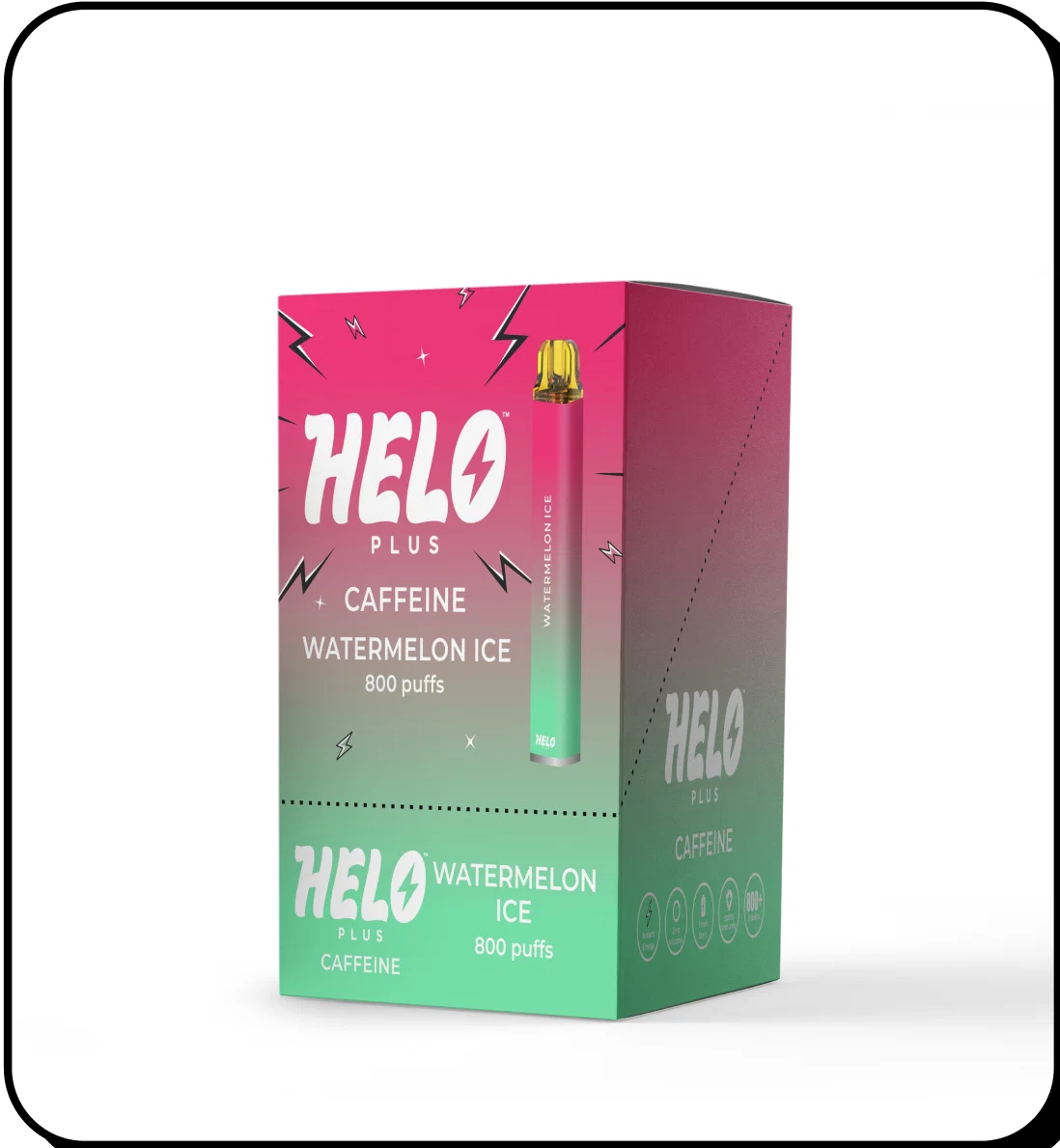
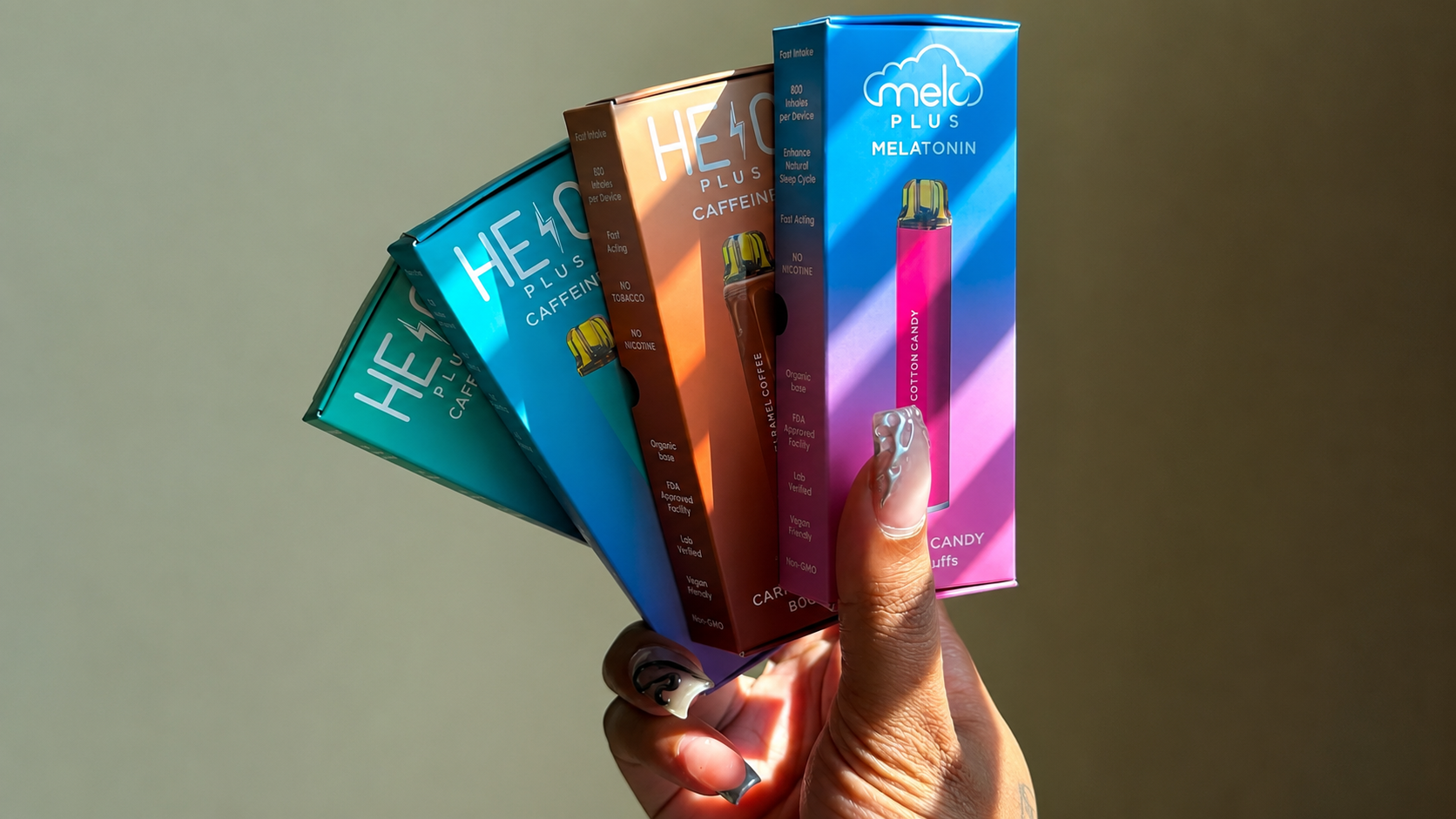
HealthVape sells nicotine-free devices with vitamin-inspired blends. B12, melatonin, energy formulas. The concept is that if you’re already vaping, you might as well get something functional out of it. It’s a category worth talking about honestly.
Here’s the caveat. The FDA has been increasingly skeptical of “wellness vapes.” In 2021, the agency sent FDA warning letters to four companies (Vitastick, Vitacig, NVN, and Vitamin Vape) selling products labeled as vitamins or supplements. HealthVape wasn’t one of the four warned, but the regulatory climate around any “vitamin vape” claim is worth understanding before you buy.
What HealthVape does well. Nicotine-free formulations, ingredient disclosure, and a marketing tone that doesn’t overpromise the way some of its now-defunct competitors did. The company has been in the space long enough that it’s had time to iterate on hardware and formulation.
What to weigh. The actual bioavailability of inhaled vitamins is not well-established in peer-reviewed research. If the appeal is “vape flavor without nicotine,” great. It delivers on that. If the appeal is “vape my daily vitamin intake,” treat the wellness claims skeptically.
Best for. Curious buyers who want a nicotine-free vape with a functional angle and understand the regulatory context.
Watch for. The wellness claims. Treat them as flavor positioning, not medical delivery.
6. Elf Bar BC5000 (0% Nicotine Version): Best Mainstream Disposable
Elf Bar is the biggest name in disposables, and the BC5000 is its most popular model. The 0% nicotine version is what qualifies it for this list.
The safety case for Elf Bar’s 0% version is scale, oddly enough. Elf Bar’s manufacturing runs are so large that quality control on materials, coils, and hardware consistency is genuinely good. Cheap disposables from unknown brands often have wildly variable coil quality even within the same shipment. Elf Bar doesn’t have that problem. What you buy is what you get, batch after batch.
What holds it back from a higher ranking is less brand-level ingredient transparency than boutique makers. Elf Bar publishes what regulations require and not much more. The formulation is proprietary, which means you’re trusting the company’s QA rather than seeing lab data yourself.
Best for. Readers who want a proven, widely available disposable and are more concerned about hardware reliability than about deep ingredient disclosure. And readers switching from the standard Elf Bar nicotine version who want to keep the same hardware feel without the nicotine.
Watch for. Only buy the confirmed 0% nicotine version. Counterfeit Elf Bars are common. Buy from authorized retailers only.
7. SMOK Spaceman SP40000 (0% Version): Best High-Capacity Disposable
SMOK has been in the vape hardware business since 2010, which puts it in the small club of brands with a real track record on coils and batteries. The Spaceman SP40000 is a high-capacity disposable designed to last longer than the average device. A 0% nicotine version is available.
The safety edge here is engineering. SMOK’s mesh coils are widely regarded as some of the best in the industry, which matters because coil quality is where heavy metal leaching and formaldehyde formation start. Better coils, cleaner vapor. Battery protection includes short-circuit, over-charge, and over-discharge safeguards, which reduce fire and thermal-runaway risk.
The higher capacity is a safety plus in a subtle way. Fewer device swaps means less exposure to the plastic and hardware materials that make up a disposable’s shell.
Best for. Heavier vapers who want a long-lasting disposable from a manufacturer with a real hardware pedigree.
Watch for. Ingredient transparency at SMOK is similar to Elf Bar’s. You’re trusting the manufacturer more than seeing published lab data. Also, high-capacity disposables have larger batteries, so counterfeit versions carry proportionally larger safety risks. Buy from authorized retailers.
8. Vaporesso XROS Pro: Best Refillable for Beginners
The XROS Pro is one of the safest vape pens in its class, the closest thing the refillable-pod category has to a “get one and stop shopping” recommendation. It’s compact, cheap to run long-term, and built with meaningful battery protection.
The safety features are what earn it the spot. Vaporesso’s Axon chipset includes short-circuit protection, over-charge protection, over-discharge protection, and temperature control that keeps coils from running hot enough to produce formaldehyde or heavy-metal degradation.
Because the XROS Pro is refillable, you control the juice. Pick a USP-grade e-liquid from a reputable brand and you’ve eliminated the vast majority of unknown-ingredient risk that comes with cheap disposables. That’s a big lever most vapers don’t take advantage of.
The economic argument matters too. A refillable pays for itself within a few weeks compared to a disposable habit, and the environmental footprint is dramatically smaller.
Best for. First-time refillable users who want a low-friction way to trade up from disposables without buying a full mod setup.
Watch for. You’ll need to buy replacement coils and juice separately. Neither is expensive, but it’s a small upfront learning curve compared to a plug-and-play disposable.
9. Uwell Caliburn G3: Best Refillable Overall
The Caliburn line has been the reference standard for refillable pods for years, and the G3 is the current best-in-class model. If you asked ten independent vape reviewers what refillable pod they’d hand to a friend, the Caliburn line would show up in most of the answers.
The safety story is coil quality. Uwell’s Pro-FOCS coil technology is genuinely differentiated. Consistent heat distribution, minimal cotton scorching, cleaner vapor. That translates to fewer thermal degradation byproducts, which is what “safer vape” actually means at the hardware level.
Battery safety is on par with the XROS Pro. Short-circuit, over-current, over-discharge, and low-voltage protection all built in.
Since it’s refillable, the same juice-control advantage applies. Match the Caliburn with a lab-tested juice from a reputable brand, and you’re operating at the top of what’s currently achievable on vape safety.
Best for. Anyone who wants the strongest overall refillable pod system on the market right now and is willing to pay a small premium for hardware quality.
Watch for. Uwell coils are excellent but not the cheapest to replace. Budget accordingly.
10. Innokin Endura T18X: Best Beginner Refillable Kit
Innokin has been making beginner-friendly vape kits since the early days of the industry, and the Endura T18X is a legitimate starter kit designed for people transitioning from cigarettes or from disposables. If you’re specifically shopping for the safest vape for beginners, this is a solid entry point. If you’re specifically shopping for the safest vape for beginners, this is a solid entry point.
What puts it on this list is built-in safety features that beginners don’t have to think about. Short-circuit protection, over-heat protection, and a battery cutoff at 10 seconds of continuous draw so the device can’t be accidentally left firing. Those matter more when someone new to refillable hardware is figuring out the workflow for the first time.
The T18X ships with everything you need in the box. The device, coils, a tank, a charging cable, and clear instructions. That reduces the “wait, what do I do now” moment that scares a lot of first-time refillable users back to disposables.
Best for. Someone who has never used a refillable vape before and wants the least intimidating way to try one.
Watch for. The T18X is a starter kit, not a top-of-the-line device. Once you get comfortable with refillables, most people upgrade to a Caliburn G3 or an XROS Pro within a few months. Nothing wrong with that. Starting simple is often the safer move.
What Actually Makes a Vape Safe in 2026
Safe is a spectrum, not a switch. When we call something safer, we mean it removes or reduces specific known risks. Harsh chemicals, contamination, uncontrolled nicotine, cheap hardware that fails. Here are the six criteria we ranked every brand on.
-
Nicotine content. Zero-nicotine options reduce one clear risk vector. If you don’t need nicotine, don’t inhale it.
-
Ingredient transparency. The brand publishes a full ingredient list. Not “natural flavors.” Not “proprietary blend.” The actual list.
-
Third-party lab testing. Independent labs verify what’s in the product and confirm it’s free of contaminants like heavy metals and vitamin E acetate.
-
Hardware quality. Coils that don’t degrade under heat. Batteries with over-charge and short-circuit protection. Materials that don’t leach into the vapor.
-
Manufacturing standards. ISO-certified facilities, batch tracking, quality control checks at every stage.
-
Honest marketing. No health claims the brand can’t back up. No “wellness” language dressed up to look like FDA approval.
Why this matters. The 2019 to 2020 EVALI outbreak put 2,807 people in the hospital and killed 68, and the CDC traced the cause to contaminated products with vitamin E acetate. Lab testing exists so that doesn’t happen again.
What the Research Actually Says About Vaping and Your Lungs
The research on vaping is still catching up to the market, but a few findings are clear enough to trust.
A Cochrane 2023 review analyzed 88 studies with 27,235 participants and found that e-cigarettes containing nicotine helped more smokers quit than traditional nicotine replacement therapy like patches and gum. That’s a real finding worth knowing, because it puts vaping in context. For smokers trying to quit, it can reduce the harm they’d otherwise take from combustible tobacco.
That’s not the same as saying vapes are safe. Studies published in respiratory medicine journals have shown that vape aerosol, even without nicotine, can trigger inflammation in lung cells and change how airway tissue functions over time. The mechanism is different from cigarette smoke, but it’s still an inhalation of chemicals your lungs didn’t evolve to handle.
The most concerning finding for anyone shopping for vapes is heavy metals. A widely cited study published in Environmental Health Perspectives found detectable levels of chromium, nickel, and lead in e-cigarette aerosol, with the source traced back to cheap heating coils leaching into the vapor. This is one of the strongest reasons hardware quality and manufacturer transparency matter so much.
The takeaway is that the specific brand and product you use makes a much bigger difference than most people realize. A vape from a company that runs third-party lab tests and uses medical-grade materials is a very different product from a cheap disposable pulled from a gas station shelf.
Ingredients to Avoid at All Costs
Some ingredients turn a merely questionable vape into an actively dangerous one. These are the ones to check for before you buy.
-
Diacetyl. A buttery flavoring compound linked to bronchiolitis obliterans, better known as “popcorn lung.” It got its nickname from workers at a microwave popcorn factory who developed the condition after inhaling diacetyl vapor. It’s been banned in vape juice in the UK and EU. It is still present in some US products, especially cheap flavored disposables. If a brand won’t confirm it’s diacetyl-free, assume it isn’t.
-
Vitamin E acetate. This is the ingredient the CDC identified as the primary cause of the 2019 EVALI outbreak. It was used as a cutting agent in black-market THC cartridges but has also turned up in unregulated nicotine products. Any legitimate brand publishes explicit vitamin E acetate-free confirmation. Any brand that doesn’t isn’t a brand you want to inhale.
-
Heavy metals. Lead, chromium, and nickel show up in vape aerosol when cheap heating coils degrade under heat. The same Environmental Health Perspectives research found measurable levels in a majority of the products tested. The fix is medical-grade coil materials and third-party testing that specifically screens for metal contamination. Brands that publish those results are the ones worth buying from.
-
Acetyl propionyl. A close chemical cousin to diacetyl with similar respiratory concerns. Often listed as “2,3-pentanedione” on ingredient sheets, which is how it slips past casual buyers.
-
Unverified stimulants or nicotine analogs. A newer problem. Some “nicotine-free” vapes have been caught spiking their product with synthetic nicotine analogs to create the same throat hit, without disclosing it. This is one reason third-party testing matters even for zero-nicotine products.
-
Formaldehyde and acrolein. These form when vape juice is heated too aggressively by low-quality coils. They aren’t ingredients you’ll see on a label, but they’re byproducts of bad hardware. Higher-quality devices with temperature-regulated coils produce them at dramatically lower levels than budget disposables.
The pattern here isn’t complicated. Cheap ingredients and cheap hardware create the worst outcomes. Companies that publish lab results, use medical-grade materials, and manufacture in certified facilities avoid most of these problems by design. That’s what puts them on the safe list
Vape Brands and Products to Watch Out For
The healthier vape brands above are one half of the picture. The other half is knowing what to skip, because unsafe products are more common than safe ones and they’re not always obvious at a glance.
-
Counterfeit and no-name disposables. The single biggest safety risk in the vape market is counterfeit hardware sold through marketplace platforms or unauthorized retailers. The FDA has repeatedly flagged that counterfeit devices have tested positive for dangerous lead levels, mystery flavor compounds, and undisclosed nicotine. If a “premium brand” disposable is being sold at a suspiciously low price on an online marketplace, it’s counterfeit. Buy directly from the brand or from an authorized retailer, not from a random third-party seller.
-
Brands with zero published third-party lab results. If a company can’t or won’t publish independent testing on its own products, treat that as the answer. This is the single fastest filter for weeding out the sketchy end of the market.
-
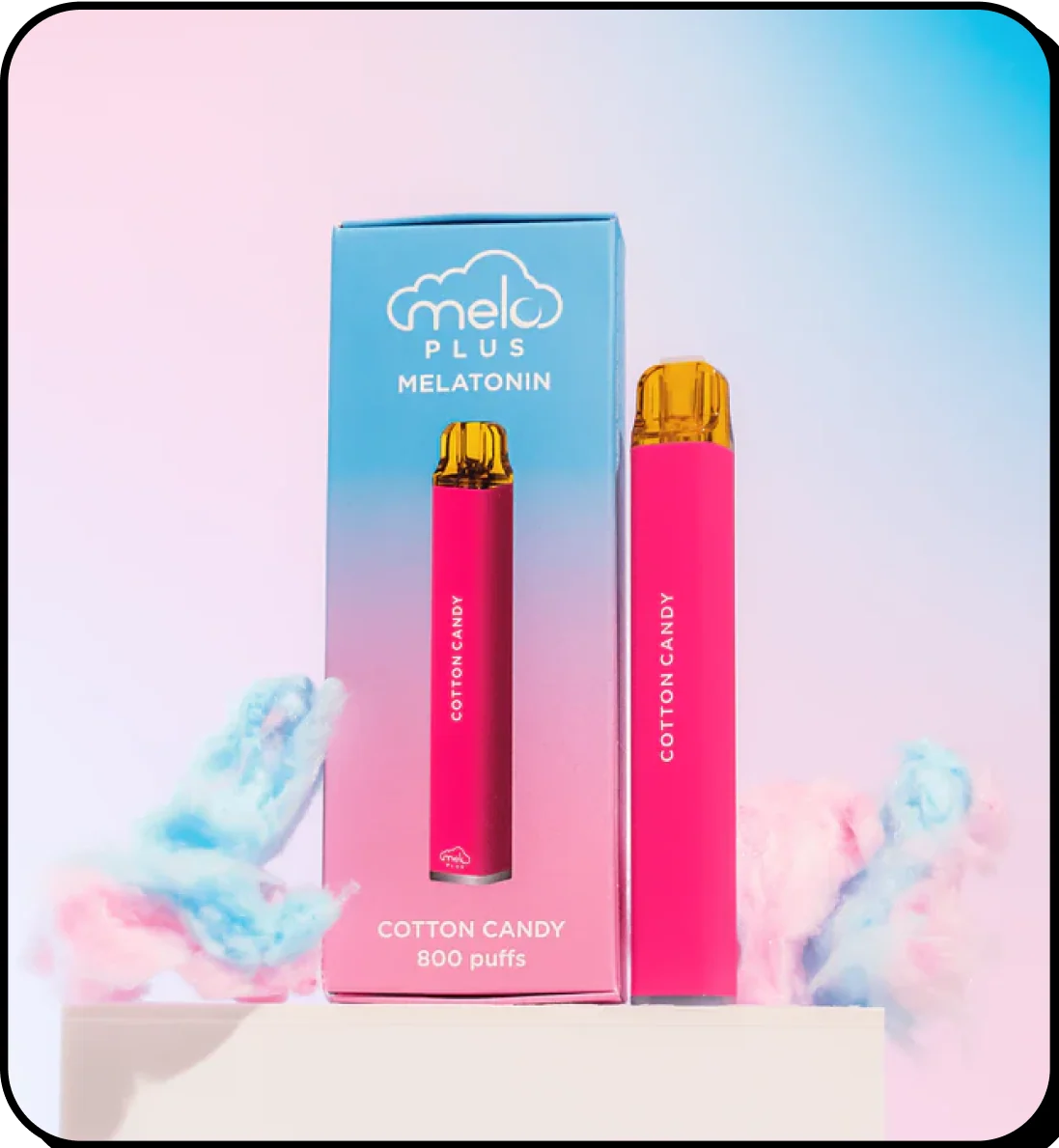
Products making unproven medical claims. Weight-loss vapes. Sleep vapes. Vapes claiming to deliver melatonin, caffeine, or specific vitamin doses in bioavailable form. The FDA sent warning letters to four companies making these claims in 2021, and the regulatory climate has only tightened since. Some of these products may be perfectly safe as flavor experiences. But when a brand markets “vape your daily vitamin,” the claim is almost certainly ahead of the evidence.
-
Any product where the ingredient list is missing, incomplete, or hidden behind “proprietary blend.” If a brand won’t tell you what’s in the vapor you’re inhaling, that’s the entire answer. You don’t need to weigh anything else.
-
Vape shops selling loose refill juice with no manufacturer labeling. The lack of labeling means no lot tracking, no ingredient verification, and no recall path if something is wrong.
Nicotine-Free vs. Nicotine Vapes: Which Is Actually Safer?
Short answer. Nicotine-free is safer on the specific dimensions of addiction risk, cardiovascular strain, and youth exposure risk. It’s not automatically safer on every other dimension, because the base ingredients and hardware still matter.
Nicotine is a vasoconstrictor. It narrows blood vessels, raises heart rate, and increases blood pressure. Over years, that’s associated with cardiovascular strain, especially for people who already have risk factors like high blood pressure or family history. Removing nicotine removes that specific stress. It doesn’t make the vape “safe,” but it removes one measurable harm layer.
Nicotine is also the addictive part. A zero-nicotine vape doesn’t trigger the same physical dependency, which means you can put it down without going through withdrawal. That’s the whole harm-reduction argument for zero-nicotine products. They let you keep the ritual while dropping the compulsion.
The same Cochrane research we referenced earlier found that for smokers, nicotine-containing e-cigarettes were an effective quit tool compared to nicotine gum and patches. That’s important context. If you’re actively smoking cigarettes right now, switching to a nicotine vape is a real harm-reduction step. The nicotine keeps you off combustible tobacco while you taper the nicotine dose down.
The full transition path for a lot of people looks like this. Cigarettes to nicotine vape to lower-nicotine vape to nicotine-free vape to no vape. Each step is a harm reduction. Zero-nicotine sits at the tail end of that path.
This is where MELO Air’s positioning makes sense as a specific tool for a specific stage. The whole product exists for people actively trying to break the nicotine part of the habit while holding onto the ritual until they’re ready to walk away entirely. First-time vapers who never had a nicotine habit aren’t really the target. If that describes you, check the Pros and Cons of Vaping Without Nicotine breakdown next.
How to Choose the Right Safe Vape for You
There isn’t one right answer for everyone. The right pick depends on what you’re actually trying to do. Here’s the fastest way to sort it.
-
If you want the safest vape to quit smoking or drop nicotine entirely, go with MELO Air. Zero nicotine, clean ingredient stack, positioned for the ritual-replacement use case. ARRO is a fine second choice if you want a slightly lower price point. Do not “just switch” to lower-nicotine disposables and expect to taper down naturally. Most people don’t.
-
If you’re a current smoker looking to switch, look at a nicotine-containing refillable pod like the Vaporesso XROS Pro or Uwell Caliburn G3, paired with a lab-tested juice. Refillables give you dose control and let you step down over time. Cochrane’s research supports this as a quit path.
-
If you want the vape ritual without nicotine and don’t need to imitate cigarettes, Ripple+ is the play. Essential-oil blends, plant-based, UK-regulated. Very different experience from a traditional PG/VG vape.
-
If you want the safest possible long-term setup, go with a refillable pod system (Caliburn G3 or XROS Pro) paired with a USP-grade juice from a reputable brand. Refillables let you verify what you’re inhaling. Disposables never fully will.
-
If you’re new to vaping entirely, look at Innokin Endura T18X or MELO Air. Both are low-friction. Both do exactly what they say. Pick the T18X if you know you want a refillable long-term. Pick MELO Air if you want to try nicotine-free and see how it feels first.
-
If price is the only variable, skip the cheapest disposables from unknown brands. The savings are not worth the risk. A basic refillable pod pays for itself within a month if you’re vaping regularly, and the safety upgrade is real.
Match the tool to the job. That’s the whole game.
FAQ
What is the safest vape brand?
Which vape is safest depends on your goal. Which vape is safest depends on your goal. MELO Air ranks #1 for nicotine-free disposables based on ingredient transparency, ISO-certified manufacturing, batch verification, and honest marketing. For refillable pods, Uwell Caliburn G3 leads the category. “Safest” always depends on what you’re trying to do. A smoker quitting cigarettes has a different answer than someone who never had a nicotine habit.
Is there a 100 percent safe vape?
No. Any product you inhale carries some risk, and vape science is still developing. The honest framing is that safer is a spectrum, not a guarantee. The brands on this list minimize known risks like nicotine dependence, heavy metal contamination, and undisclosed additives. That’s the best you can do until longer-term research catches up.
Which vape is FDA approved?
No vape is technically “FDA approved” the way a prescription drug is. What the FDA does is authorize certain products for sale through the Premarket Tobacco Product Application (PMTA) process. As of 2026, most authorized products are tobacco-flavored refillable devices from a small number of manufacturers. Zero-nicotine vapes fall outside the FDA’s tobacco jurisdiction entirely, which is a separate regulatory question.
What is the safest vape for your lungs?
Refillable pod systems paired with USP-grade juice are the safest option currently available, because you can verify every ingredient and control the hardware quality. Uwell Caliburn G3 and Vaporesso XROS Pro are the top picks. For disposables, MELO Air offers the strongest ingredient disclosure and manufacturing standards in the zero-nicotine category.
Are nicotine-free vapes safer than nicotine vapes?
Yes, on the specific dimensions of addiction risk and cardiovascular strain. Removing nicotine removes one clear harm layer. But nicotine-free doesn’t mean risk-free. The base ingredients, coil quality, and manufacturing standards still matter. A cheap nicotine-free vape from an unknown brand is not automatically safer than a well-made nicotine vape from a reputable one.
The Bottom Line: Vape Smarter, Not Harder
The safest vape is the one that removes the risks you can actually verify. Nicotine you don’t need, ingredients you can’t confirm, hardware that wasn’t tested, and marketing claims the brand can’t back up. Every brand on this list clears that bar in some form.
MELO Air sits at #1 because it clears every bar and does so with a use case that matters. Helping people keep the ritual while dropping the nicotine. Plenty of solid options exist on this list. MELO Air just happens to pair the strongest ingredient transparency with the clearest positioning for the people who need it most.
If you’re ready to try a nicotine-free option built with all of the above in mind, the MELO Air disposable collection is where to grab one. Same ritual, no nicotine, ingredient list you can actually read. That’s the pitch. That’s also the point.
References
Centers for Disease Control and Prevention. “Outbreak of Lung Injury Associated with the Use of E-Cigarette, or Vaping, Products.” CDC, 25 Feb. 2020, www.cdc.gov/tobacco/basic_information/e-cigarettes/severe-lung-disease.html.
Lindson, Nicola, et al. “Electronic Cigarettes for Smoking Cessation.” Cochrane Database of Systematic Reviews, no. 11, 2023, PMID 37939253, pubmed.ncbi.nlm.nih.gov/37939253/.
Olmedo, Pablo, et al. “Metal Concentrations in E-Cigarette Liquid and Aerosol Samples: The Contribution of Metallic Coils.” Environmental Health Perspectives, vol. 126, no. 2, 2018, PMID 29467105, pubmed.ncbi.nlm.nih.gov/29467105/.
U.S. Food and Drug Administration. “FDA Warns Companies Selling Illegal E-Liquids Labeled as Vitamins, Supplements.” FDA, 12 May 2021, www.fda.gov/news-events/press-announcements/fda-warns-companies-selling-illegal-e-liquids-labeled-vitamins-supplements.
Leave a comment