
Cloudy vs. MELO Air: A Side-by-Side Comparison Guide
You’ve narrowed your sleep ritual down to two melatonin diffusers, Cloudy and MELO Air. Both skip nicotine. Both lean on melatonin to support a calmer wind-down. The real question is which one actually fits your nightly routine, your wallet, and your taste buds.
Here’s the short version. Cloudy goes wide on botanicals, pairing melatonin with lavender and chamomile in a single grape-leaning flavor. MELO Air keeps the formula tight (melatonin, organic vegetable glycerin, natural flavors) and ships in multiple flavors at a lower per-unit entry price. The right pick comes down to whether you want a multi-botanical blend with a charity tie-in or a stripped-down formula inside a broader 24-hour wellness ecosystem. Below, this melatonin vape comparison puts melo air vs cloudy in plain side-by-side terms.
Cloudy vs. MELO Air at a Glance
Both products are non-nicotine melatonin diffusers built for the wind-down moment. They split on ingredient count, flavor variety, pricing, advertised puff count, and the brand worlds they live inside. The table below pulls the basics straight from each brand’s product page.
|
Feature |
Cloudy |
MELO Air |
|
Active Ingredients |
Melatonin, lavender, chamomile |
Melatonin, organic vegetable glycerin, natural flavors |
|
Flavor Options |
Single grape-leaning profile |
Multiple flavors (Blue Cloud, lavender, and rotating variants) |
|
Single-Unit Price |
$20 (per Cloudy product page) |
Lower entry price (see MELO Air product page) |
|
Advertised Use Count |
~400 to 600 puffs (about 30 days of regular use) |
Listed on the MELO Air product page |
|
Brand Origin |
California-based; donates a portion of profits to NAMI |
Founded in 2020 by Devon McPherson; full 24-hour wellness lineup |
Stick around. The breakdown below covers the real differences that matter once you start using one nightly.
What Is Cloudy?
Cloudy is a plant-based aromatherapy diffuser built around sleep support. According to the Cloudy product page, the brand is based in California and pitches itself as an alternative to traditional sleep aids. The headline ingredients are melatonin, lavender, and chamomile, with propylene glycol and grape extract appearing in the expanded ingredient breakdown.
Cloudy leans heavily on the ritual. You inhale, you exhale, you settle into bed. The brand reports more than 1 million units sold and donates a portion of profits to NAMI, the National Alliance on Mental Illness. That charity tie-in is a real point of differentiation for shoppers who care where their dollars end up.
Want more on Cloudy on its own? The MELO Labs blog has a deeper read on the Cloudy melatonin diffuser if you’d like extra context on the brand outside this comparison.
What Is MELO Air?
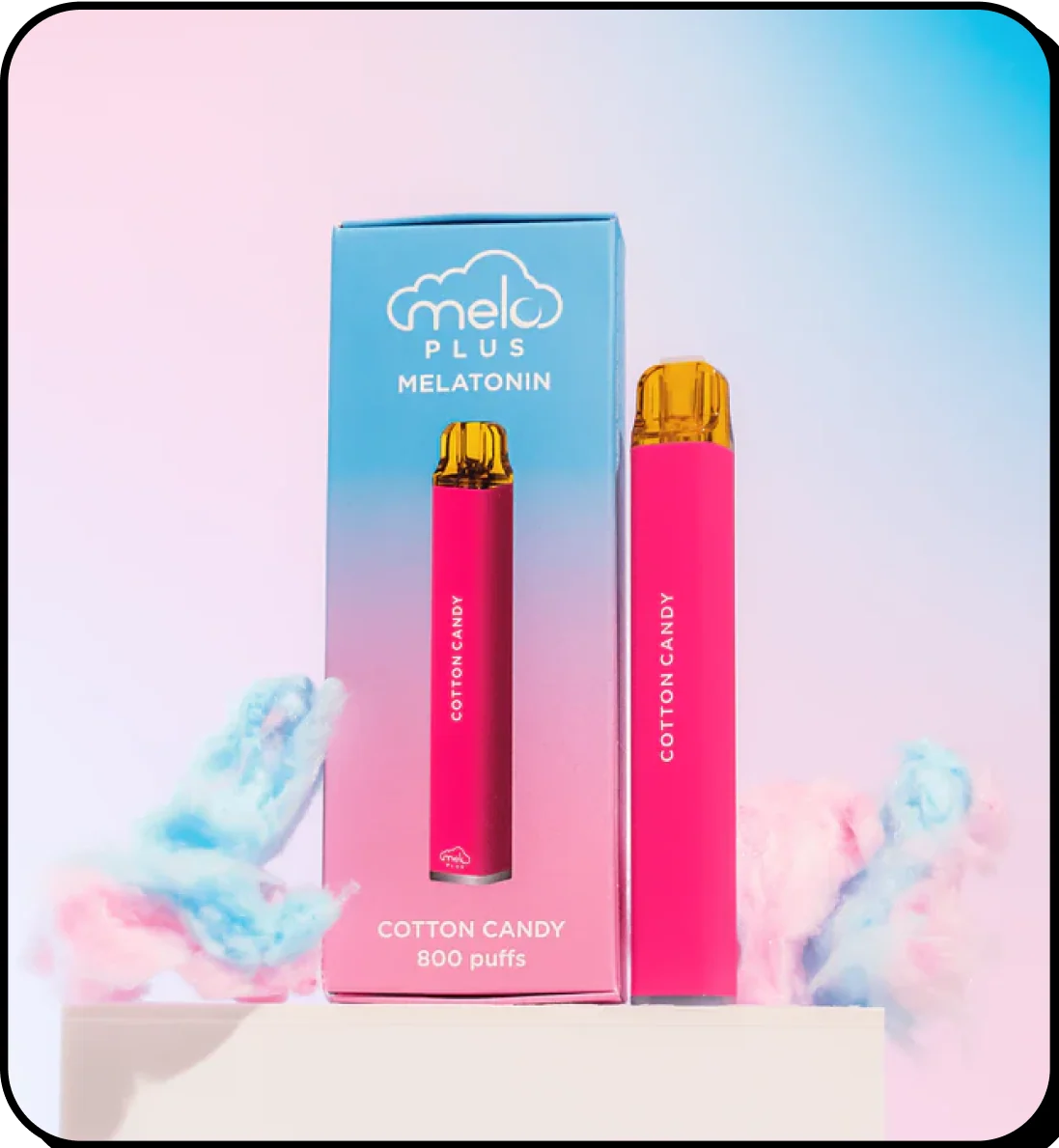
MELO Air is the everyday wind-down product from MELO Labs, the wellness brand Devon McPherson founded in 2020 after years in Silicon Valley tech sales. The original MELO diffuser came out of his struggle to balance late nights, early calls, and a brain that wouldn’t shut off.
The formula is intentionally short. Melatonin, organic vegetable glycerin, natural flavors. No botanical co-stars, no long ingredient list to parse.
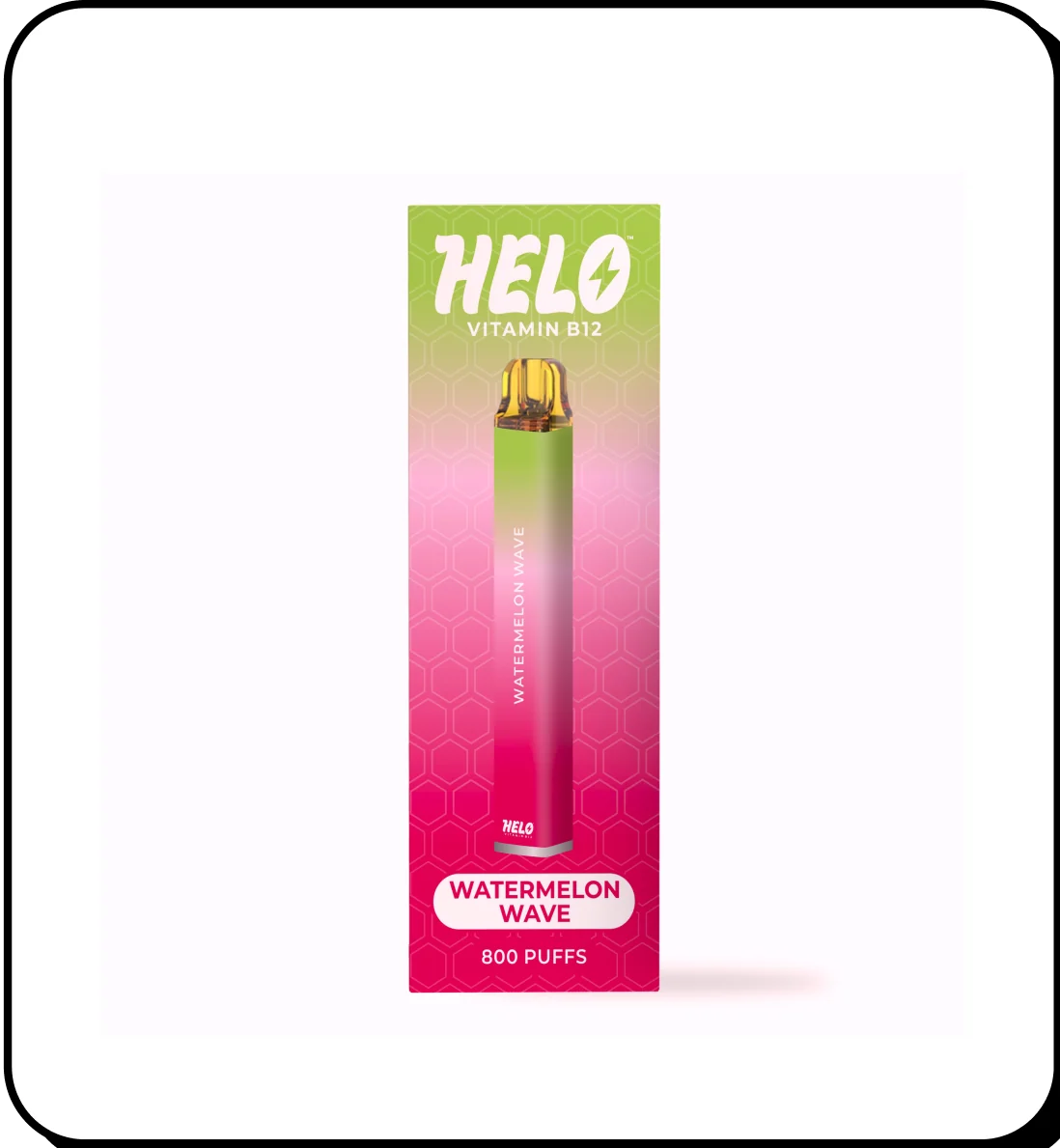
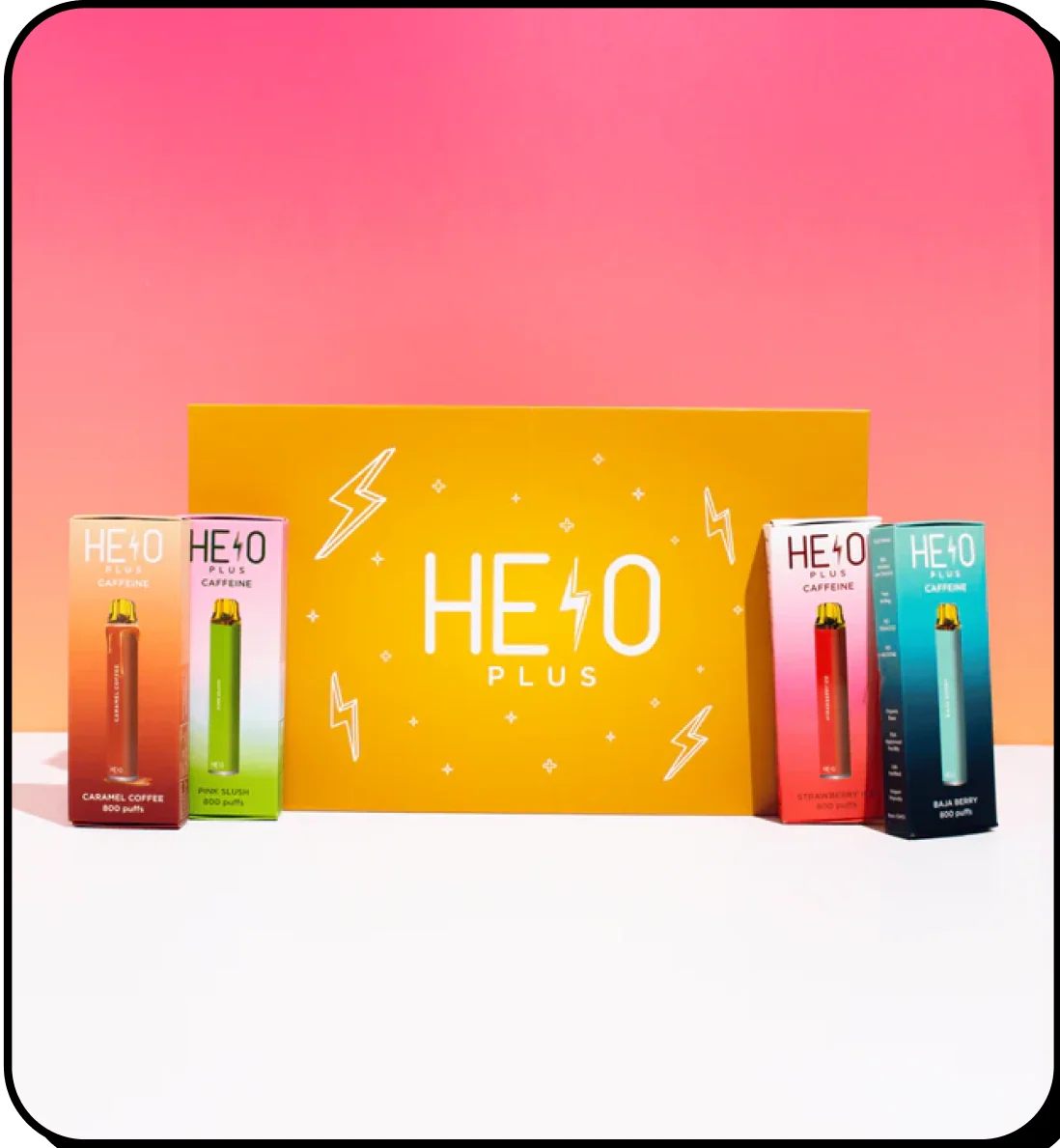
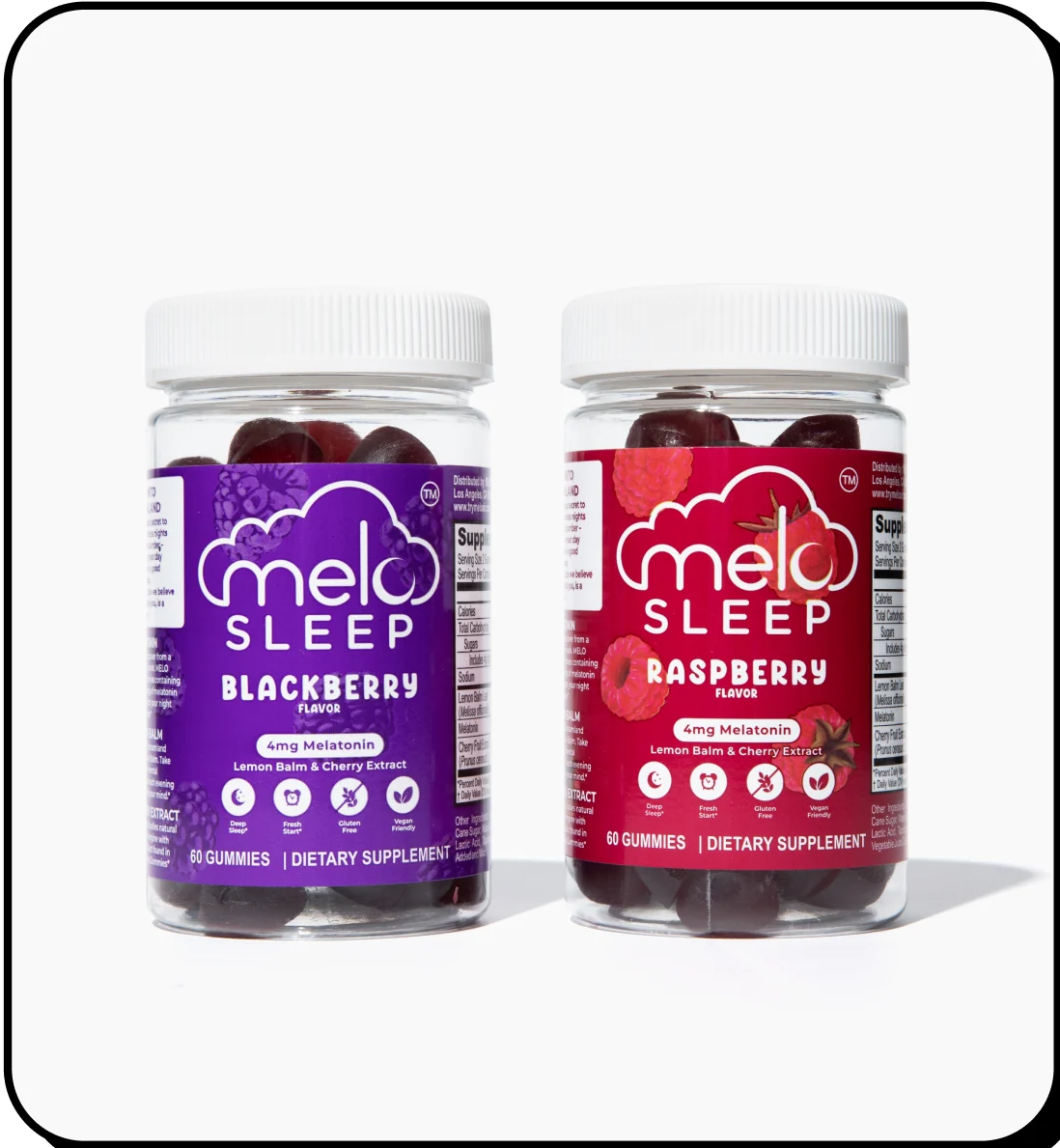
MELO Air also lives inside a 24-hour wellness lineup that includes MELO sleep gummies, MELO Sip, HELO caffeine diffusers, HELO energy gummies, and HELO B12 diffusers. So if you’ve ever wanted “one brand for every part of your day,” that’s the play. Plenty of customers pick up MELO Air because they want to keep the inhale ritual after stepping away from nicotine vapes. Quit the nicotine, keep the ritual. Readers who prefer a reusable, no-substance approach can see how the two formats compare in the Capnos vs. Melo Air breakdown.
For broader category context, the 3 Best Melatonin Diffusers roundup on the MELO blog is a quick scan of how MELO Air stacks up against the rest of the lineup.
Ingredient Breakdown
Here’s where the two diffusers part ways most clearly. Cloudy stacks melatonin with lavender and chamomile, two classic calm-coded botanicals. MELO Air leans minimalist with just melatonin, organic vegetable glycerin, and natural flavors. Both ingredient lists come straight from each brand’s product page. That makes this melatonin diffuser comparison easy to translate into a buy decision: cloudy diffuser ingredients lean botanical, melo air ingredients stay minimal.
Melatonin is the common thread. It’s the hormone your body produces naturally as light fades, and supplemented melatonin is widely used to support sleep onset. Lavender and chamomile, the two botanicals Cloudy adds, both have long histories in nighttime rituals and aromatherapy. Vegetable glycerin in MELO Air is the carrier that makes the inhale smooth.
Neither approach is “better.” Cloudy is built around a multi-botanical blend, MELO Air is built around a tight formula. If you want fewer ingredients on the label, MELO Air’s list is shorter. If you want lavender and chamomile in your wind-down, Cloudy delivers that. Pick based on what you actually want in the bottle.
Flavors and Sensory Experience
Cloudy ships a single flavor profile. Grape-leaning, with the lavender and chamomile notes coming through in the inhale. One option, take it or leave it.
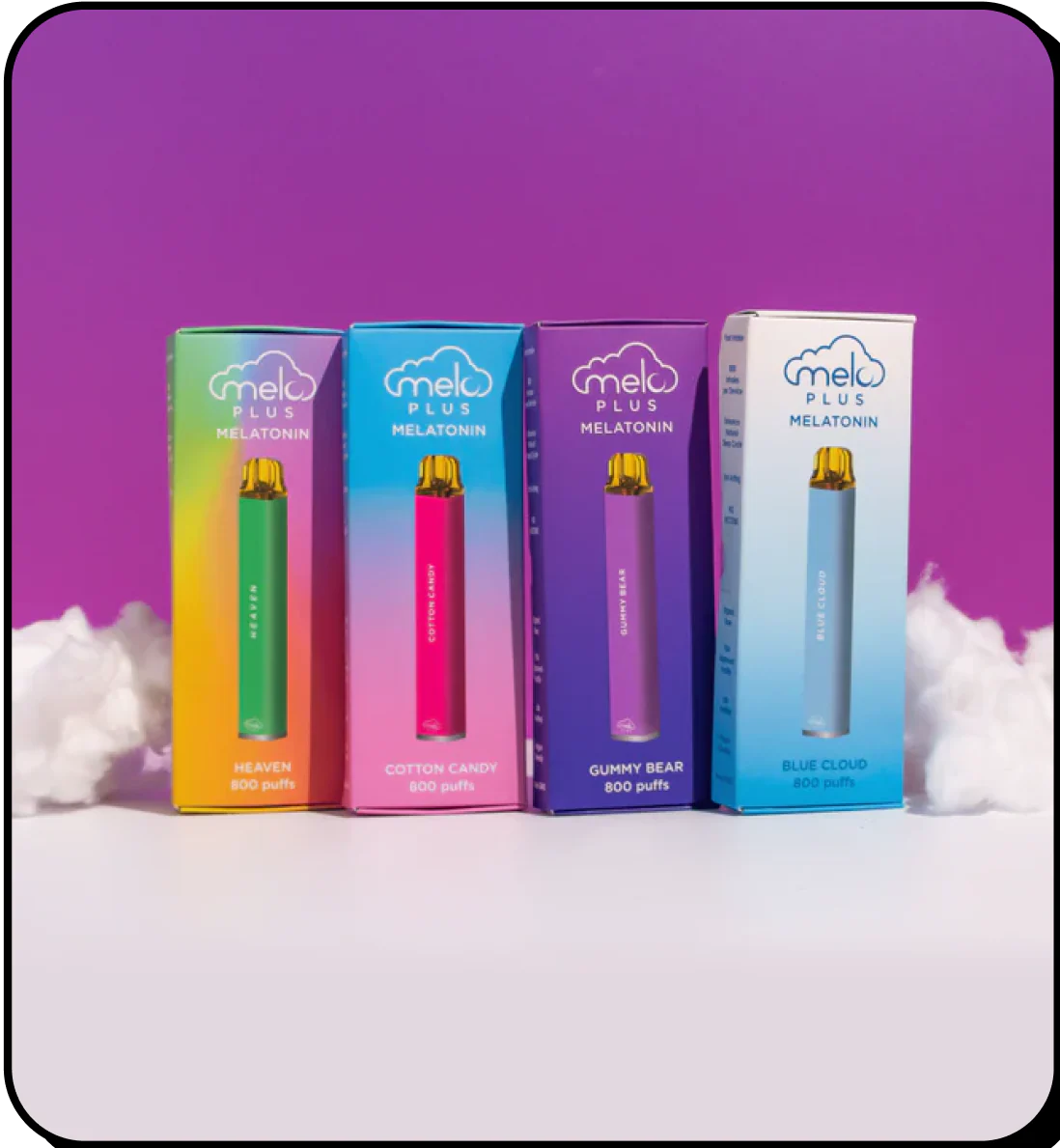
MELO Air ships multiple flavors. Blue Cloud is the flagship, with lavender and other variants rotating through the lineup. Variety matters more than people give it credit for, especially with a product you’re using nightly.
Flavor fatigue is real. If you’re reaching for the same diffuser at 11pm every night, the same exact taste for 30 straight days can start to feel like a chore. Rotating between a few flavors keeps the ritual feeling fresh. Cloudy reviewers tend to describe the aroma as forward and noticeable. MELO Air reviewers more often highlight a lighter, milder profile. Personal preference rules here, but variety is a structural advantage. That’s where melatonin diffuser flavors earn their keep, especially across a 30-night habit.
Pricing and Value
Cloudy’s pricing is tiered. Per the Cloudy product page, single units come in higher and the per-unit cost drops as you scale up:
-
Single diffuser: $20
-
3-pack: $13.30 each
-
6-pack: $10 each
-
12-pack: $8.30 each
The bulk play is real if you know you’re sticking with it.
MELO Air’s single-unit price sits below Cloudy’s $20 entry, with similar bulk savings as you order more. The current pricing tiers live on the MELO Air product page, and like most diffuser brands, the per-unit cost falls as the pack size grows.
The honest way to think about value isn’t the sticker price. It’s cost per dose. Take what you paid, divide by the uses you actually get, and that’s your real number. Both brands offer bulk discounts, so if you’re settling into a nightly habit, ordering a multi-pack from either side stretches the dollar further. On a clean cloudy vs melo air price comparison, single-unit MELO Air starts below Cloudy’s $20 entry, and bulk discounts on either side change the math at scale.
Puff Count and How Long Each Lasts
Cloudy advertises roughly 400 to 600 uses per device, designed to last about 30 days with regular use. That’s the spec listed on the product page. Real-world usage will vary. The NoNicVapes review of Cloudy noted the unit ran out earlier than the advertised 30 days for that reviewer. Worth knowing as a data point even if your mileage may vary.
MELO Air’s puff count is published on its product page and lands in a similar ballpark range. Whether either diffuser hits its stated count comes down to how deep your draws are and how many times you reach for it per night.
Now stack pricing and longevity together. Take the cost-per-dose math from the previous section, then layer in how many doses you actually expect from one device. The diffuser that delivers more usable nights per dollar wins on value, regardless of which one has the lower sticker.
Brand Mission and Transparency
Cloudy’s mission centers on sleep and mental wellness, with the NAMI donation program as the proof point. If you want your nightly ritual to feed back into a cause, that’s a clear differentiator and a fair reason to lean Cloudy.
MELO Labs’ mission is broader. The brand exists to support people living modern, demanding lives across the entire 24-hour cycle. That looks like clean sleep tools at night (MELO Air, MELO sleep gummies, MELO Sip) and clean energy tools during the day (HELO caffeine diffusers, HELO energy gummies, HELO B12 diffusers). The “quit the ritual” angle resonates especially with people stepping away from nicotine vapes who still want something to reach for at the end of a long day.
Both brands are mission-driven. The missions just point in different directions. Charity-aligned shopping or full-day wellness ecosystem. Pick the one that matches your why.
Customer Experience and Reviews
Cloudy carries a deep bench of customer reviews online, with mixed but generally positive feedback. The NoNicVapes reviewer rated Cloudy 8 out of 10, citing a smooth experience overall while noting a lighter draw and a unit lifespan that came in under the advertised range for their use. Gymfluencers’ write-up is fully positive but light on specifics.
MELO Air reviews live on the brand’s product page and across review aggregators. A common thread is that customers report needing only 2 to 3 puffs to feel the wind-down kicking in. Many also call out flavor variety as the reason they stuck with the product.
The fair read is that both brands have happy customers and both have people who didn’t click with the product. The melatonin diffuser category itself is still relatively young, and Sleep Review Magazine’s overview of melatonin diffuser pens gives useful context if you’re new to the category. Individual experiences vary. If one of these doesn’t work for you, the other one might still be your fit.
Which Diffuser Fits Your Sleep Routine
Here’s a quick gut-check.
Pick Cloudy if you want a multi-botanical blend with lavender and chamomile alongside melatonin, you like the idea of part of your purchase going to NAMI, and a single grape-leaning flavor sounds fine for your nightly use.
Pick MELO Air if you want flavor variety, a shorter ingredient list, a lower per-unit entry price, and access to a broader 24-hour wellness ecosystem (sleep gummies, drink mixes, daytime energy products from the same brand). It’s also a natural fit if you’re transitioning away from nicotine vapes and want to keep the inhale ritual without the nicotine.
If you’re also considering other brands in the nicotine-free space, the HealthVape vs. MELO Air comparison covers how the ingredient approaches, device formats, and pricing stack up against another direct competitor. For readers weighing a reusable essential-oil inhaler against a disposable melatonin diffuser, the Fum vs. MELO Air breakdown walks through that specific tradeoff. Fum shows up in head-to-head matchups beyond MELO too, and the Fum vs. Ripple+ comparison puts the wooden inhaler next to another popular pick.
The right pick comes down to which one actually matches how you want to wind down. Both can hold their own.
Find Your Wind-Down Ritual
The headline differences come down to two things. Cloudy goes wide on botanicals with a charity tie-in. MELO Air goes minimalist with flavor variety inside a full-day wellness lineup.
You came here to pick one, so here’s the gut check. If you want a shorter ingredient list, multiple flavors to rotate through, and the option to plug into a broader sleep-and-energy system later, MELO Air is the play. Many MELO Air customers report needing only 2 to 3 puffs to feel the wind-down kick in, so a single device slides right into the bedtime routine you already have. Start with Blue Cloud on the MELO Air product page, or scan the full MELO melatonin diffuser collection to pick the flavor that fits your nightly wind-down.
Want to skip the inhale? The MELO sleep gummies deliver the same wind-down energy in a chewable. Sweet dreams either way.
Leave a comment