
Is Nicotine Gum Better Than a Nicotine-Free Vape?
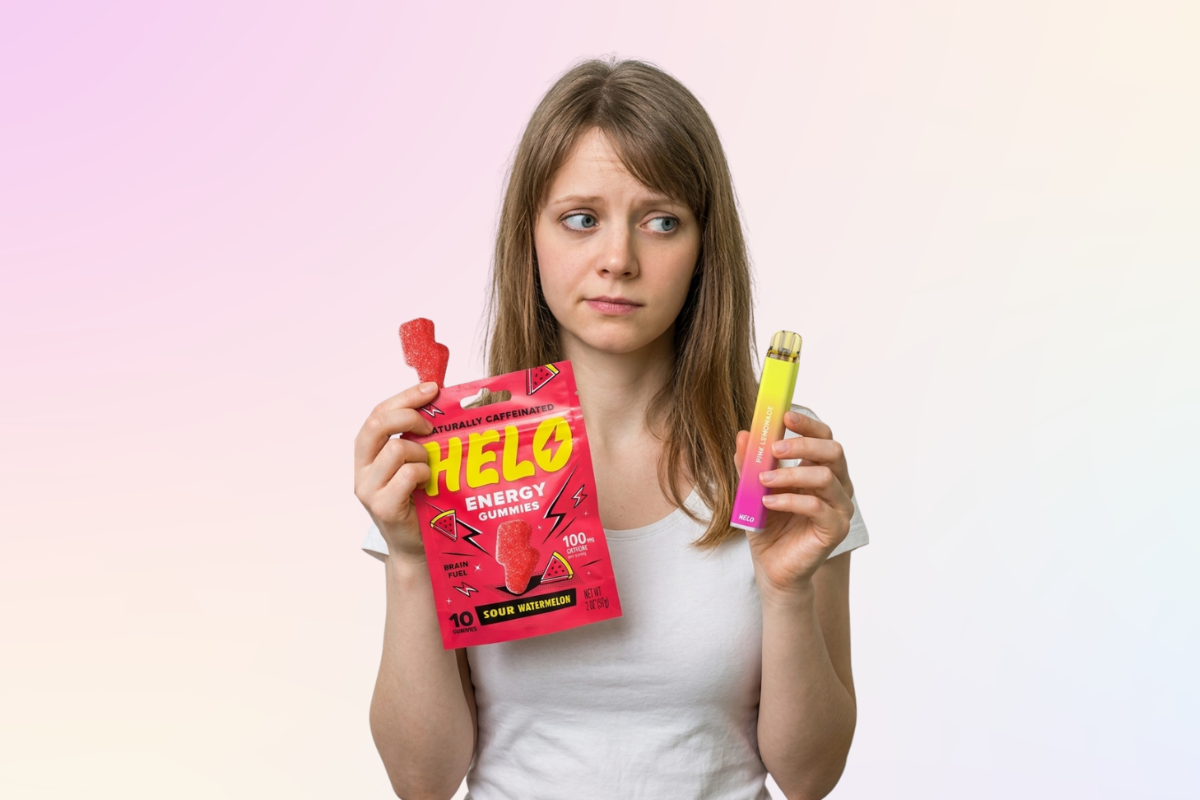
You’ve decided to kick nicotine. That alone puts you ahead of most people. But now you’re stuck choosing between nicotine gum and a nicotine-free vape, two products that seem interchangeable on the surface.
They’re not interchangeable at all. One handles the chemical cravings. The other handles the physical habit. And picking the wrong one for where you’re at can stall your progress before you’ve even gotten started.
What Nicotine Gum Does for You
Nicotine gum is a widely used smoking cessation aid that delivers small, controlled doses of nicotine through the lining of your mouth. You chew it a few times, park it between your cheek and gum, and let the nicotine absorb. The goal is to step down your intake over weeks or months instead of going cold turkey.
For chemical cravings, it works. When your brain is demanding a hit at 2 p.m. on a Tuesday, a piece of gum can take the edge off within 15 to 30 minutes. That’s its entire job, and it handles it well.
Where gum falls short is everything else. It doesn’t replicate the hand-to-mouth motion or the inhale-exhale rhythm that years of smoking or vaping hardwired into your daily routine. And it definitely doesn’t replace that five-minute break outside where you used to decompress. If the behavioral side of the habit is what keeps pulling you back, gum isn’t built for that fight.
Side effects are worth knowing about too. Jaw soreness, hiccups, nausea, and stomach issues. Most come from chewing too fast or accidentally swallowing instead of letting the nicotine absorb through your cheek. They’re common enough that many people give up on gum before it gets the chance to work.
What a Nicotine-Free Vape Does for You
A nicotine-free vape does exactly what the name suggests. No nicotine. The base is typically propylene glycol (PG) and vegetable glycerin (VG) with flavorings added in. You inhale, exhale, and get the vapor and flavor without any chemical dependency.
The appeal makes immediate sense if you think about it. You keep the ritual. The hand motion, the throat hit, the clouds, and the moment of stepping outside for a reset. For someone who’s already weaned off nicotine but can’t shake the physical habit, a zero-nic vape fills that specific gap.
But here’s the catch. A nicotine-free vape pen does absolutely nothing for chemical cravings. If your body is still physically hooked on nicotine, puffing on flavored vapor won’t quiet that noise. It handles the behavioral piece and the behavioral piece only.
A labeling problem in this category that deserves more attention than it gets. What companies put on the package and what’s inside aren’t always the same thing.
Chemical Cravings vs. the Physical Habit
Most articles comparing nicotine gum to nicotine-free vapes completely miss the most useful point. These two products solve different problems.
Nicotine addiction runs on two separate tracks. The first is chemical. Your brain physically craves nicotine because it’s been conditioned to expect a steady supply. Gum handles that track by gradually reducing the dose your body gets.
The second track is behavioral, rooted in oral fixation. The ritual of putting something to your lips. Inhaling, exhaling. Stepping away from your desk for a few minutes. That loop gets reinforced thousands of times over months and years of smoking or vaping. A nicotine-free vape handles that track by keeping the motions alive while removing the substance entirely.
Neither product handles both tracks at once. Nicotine gum quiets the chemistry but leaves the behavioral habit completely untouched. A nicotine-free vape satisfies the behavior but does nothing for chemical withdrawal. Knowing which track is driving your cravings right now is the single most important factor in choosing between them.
If you’re in the first few weeks of quitting and nicotine withdrawal has your body screaming for relief, a zero-nic vape won’t do much for you. You need something addressing the chemical demand first. But if you’re past the worst of the withdrawal and you keep reaching for your vape out of pure muscle memory, gum is solving a problem you don’t have anymore. A full timeline of what happens when you quit smoking, from the first 20 minutes through the first year, can help you pinpoint exactly which stage you’re in and which tool fits.
What “Nicotine-Free” Really Means (And When It Doesn’t)
The comparison gets a little more complicated once you look at what’s inside these products.
Researchers at Duke University tested several vapes and pouches marketed as nicotine-free and found that some contained 6-methyl nicotine, a synthetic compound that binds to the same brain receptors as regular nicotine. The FDA doesn’t classify it as nicotine, so it slips past tobacco regulations entirely. But it acts like nicotine in your body, and early research suggests it may be more potent.
The same study turned up major labeling problems across the board. Products claiming 5% 6-methyl nicotine actually contained less than 1% of the listed amount. The researchers detected undisclosed ingredients, including artificial sweeteners and synthetic cooling agents, that appeared nowhere on the packaging.
So when you’re shopping for a nicotine-free vape, reading the label isn’t enough on its own. Look for brands that disclose their no nicotine vape ingredients with no vague “proprietary blend” language. Pay attention to whether the product uses a genuine zero-nicotine formulation or synthetic analogs that technically aren’t nicotine but function the same way once they reach your brain. Brand-by-brand ingredient comparisons across nicotine-free vape options can make this a lot easier than reading through individual product pages one at a time.
Nicotine Gum Has Its Own Dependency Catch
Nobody loves bringing this part up. Nicotine gum contains nicotine. And nicotine is addictive regardless of how it enters your system.
A study in Drug and Alcohol Dependence found that 83% of long-term nicotine gum users said they kept chewing it because of addiction, not because of any deliberate tapering strategy. The product designed to help you quit can quietly become its own dependency when the weaning process stalls out.
That’s not a reason to write gum off entirely. It still helps people step down and eventually stop. But going in with a clear timeline and reduction plan matters more than most people realize. If you’re still chewing nicotine gum a year later with no endpoint in sight, you’ve swapped one delivery system for another.
Pick the Right One for Where You Are
If you’re still chemically dependent on nicotine, a nicotine replacement therapy product like gum or a stop-smoking inhaler makes sense as a stepping stone. It reduces your intake on a schedule without forcing you through the worst of full withdrawal all at once.
If you’ve already pushed past the chemical cravings but can’t drop the ritual, a nicotine-free vape can bridge that gap. The physical habit is harder to break than most people expect. Having something that satisfies the hand-to-mouth loop without reintroducing nicotine gives you a much cleaner path forward.
Some people use both, but sequentially. Gum to handle the chemical side first. Then a zero-nic option for the behavioral side once the nicotine tapering is done. That way you’re tackling one piece at a time instead of fighting both battles simultaneously.
The biggest mistake when trying to quit vaping or smoking is picking a tool that doesn’t match your actual situation. Chewing gum when your real issue is missing the ritual wastes your time and your jaw. Puffing on a zero-nic vape while you’re deep in chemical withdrawal just sets you up to relapse.
When You Want the Ritual Without Any Nicotine
If the behavioral habit is the part you can’t shake, standard nicotine-free vapes aren’t your only option.
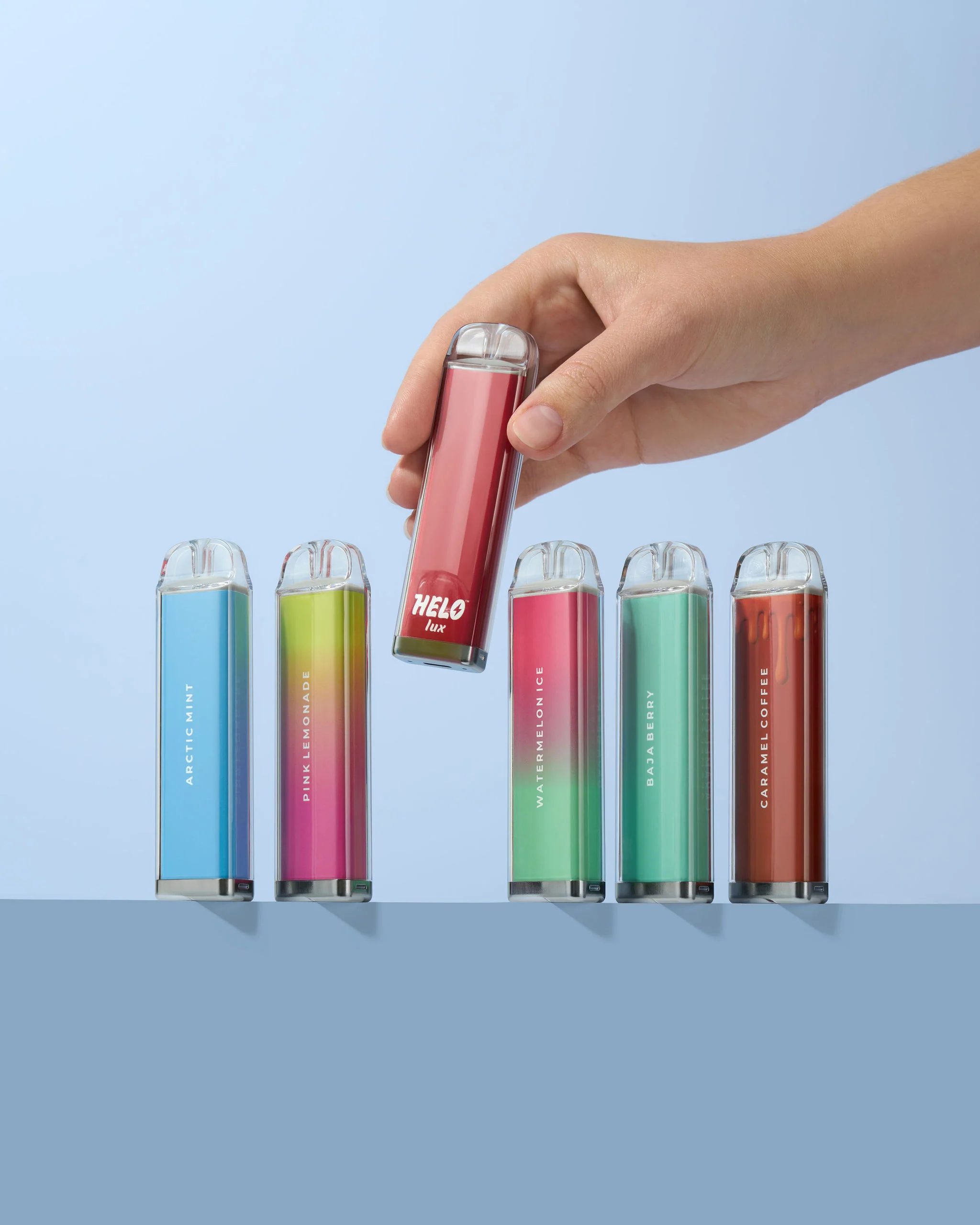
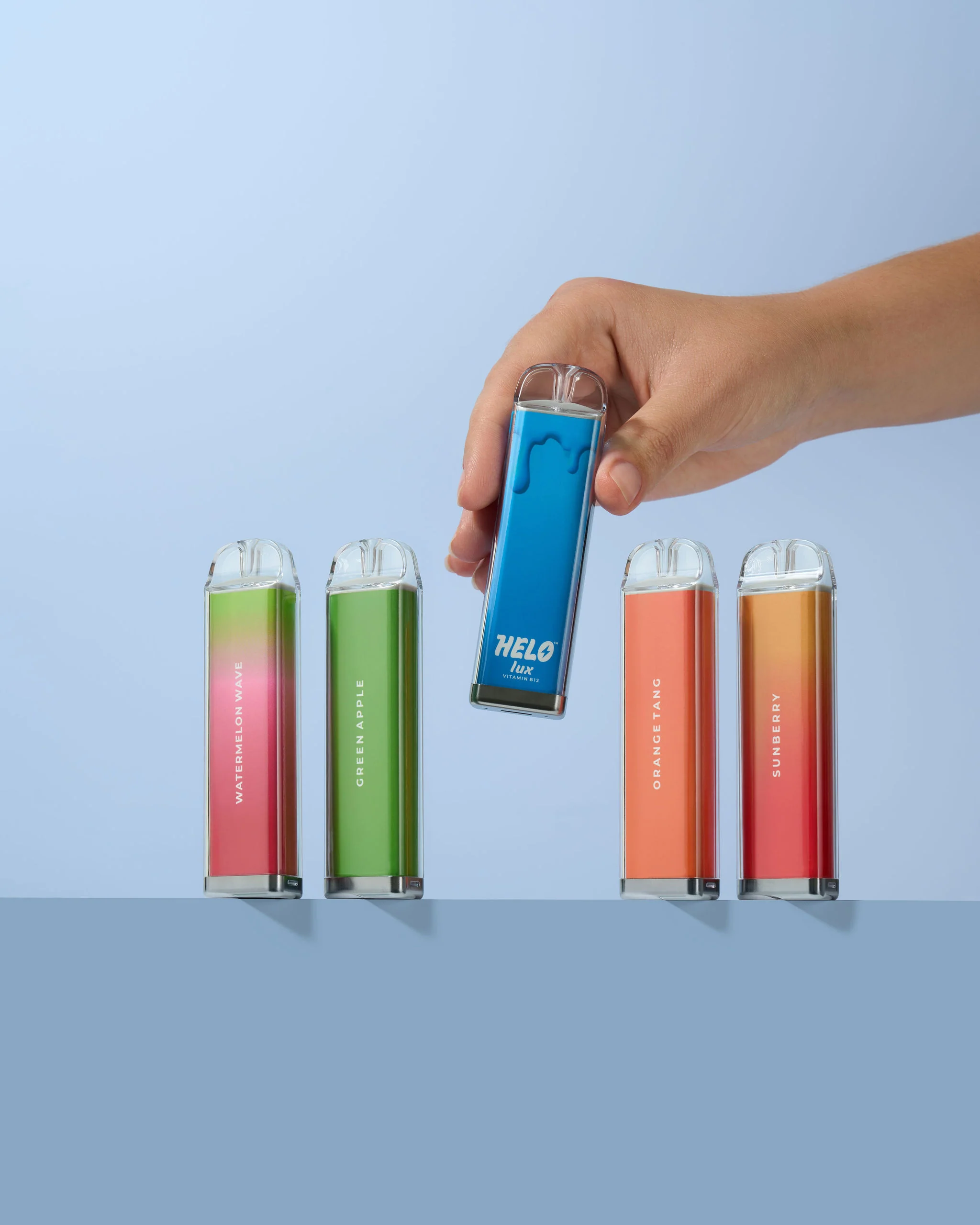
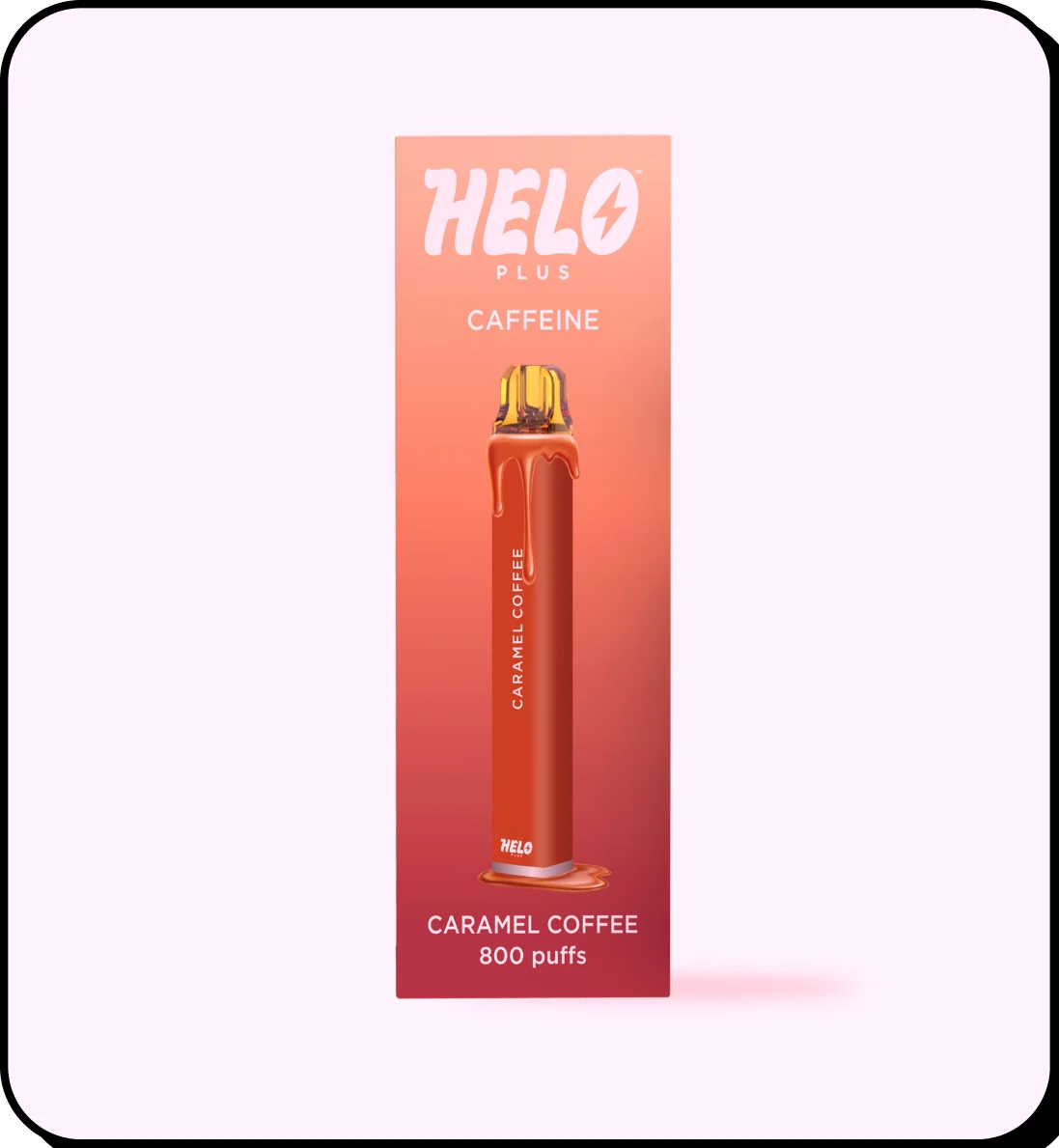
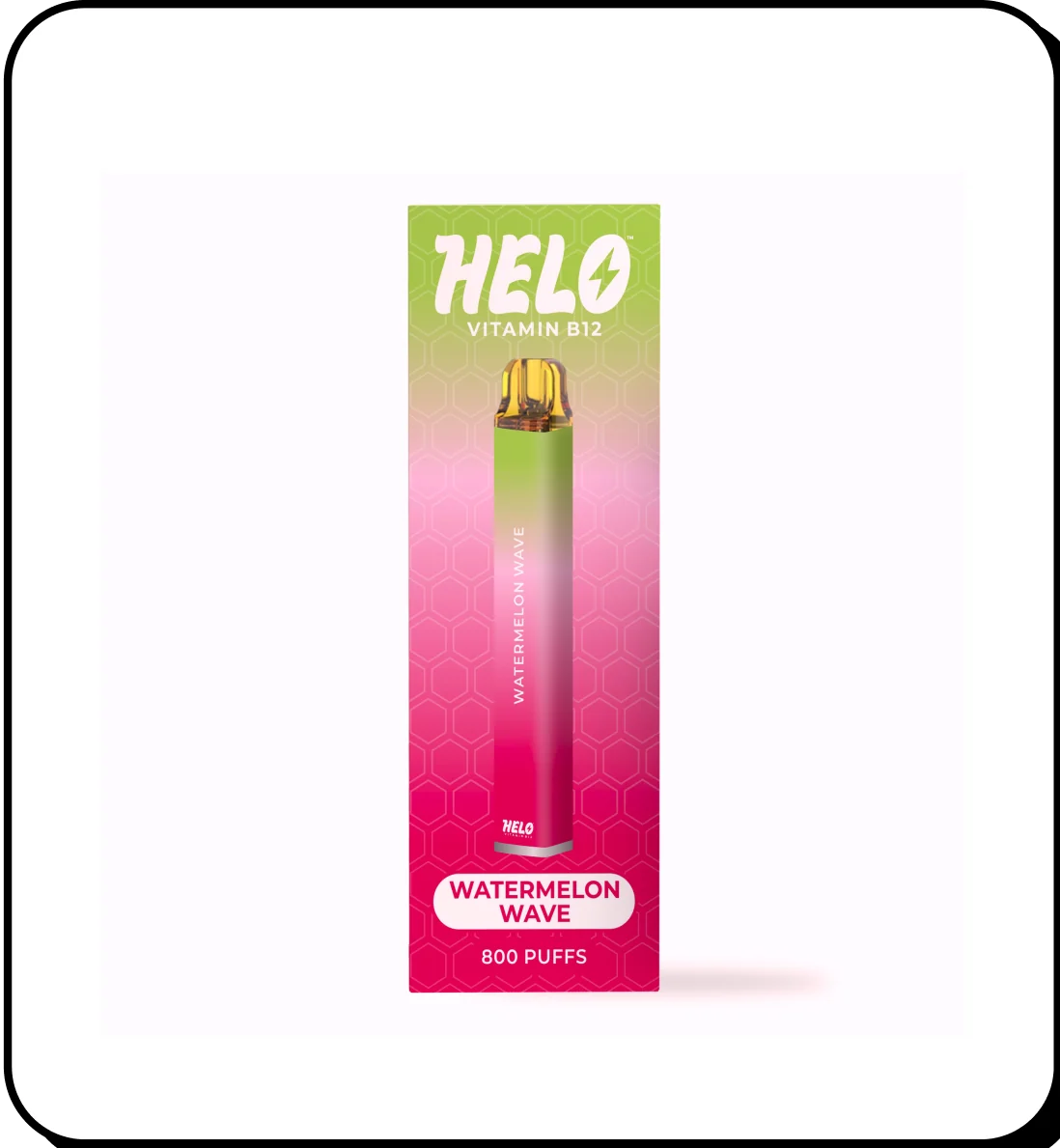
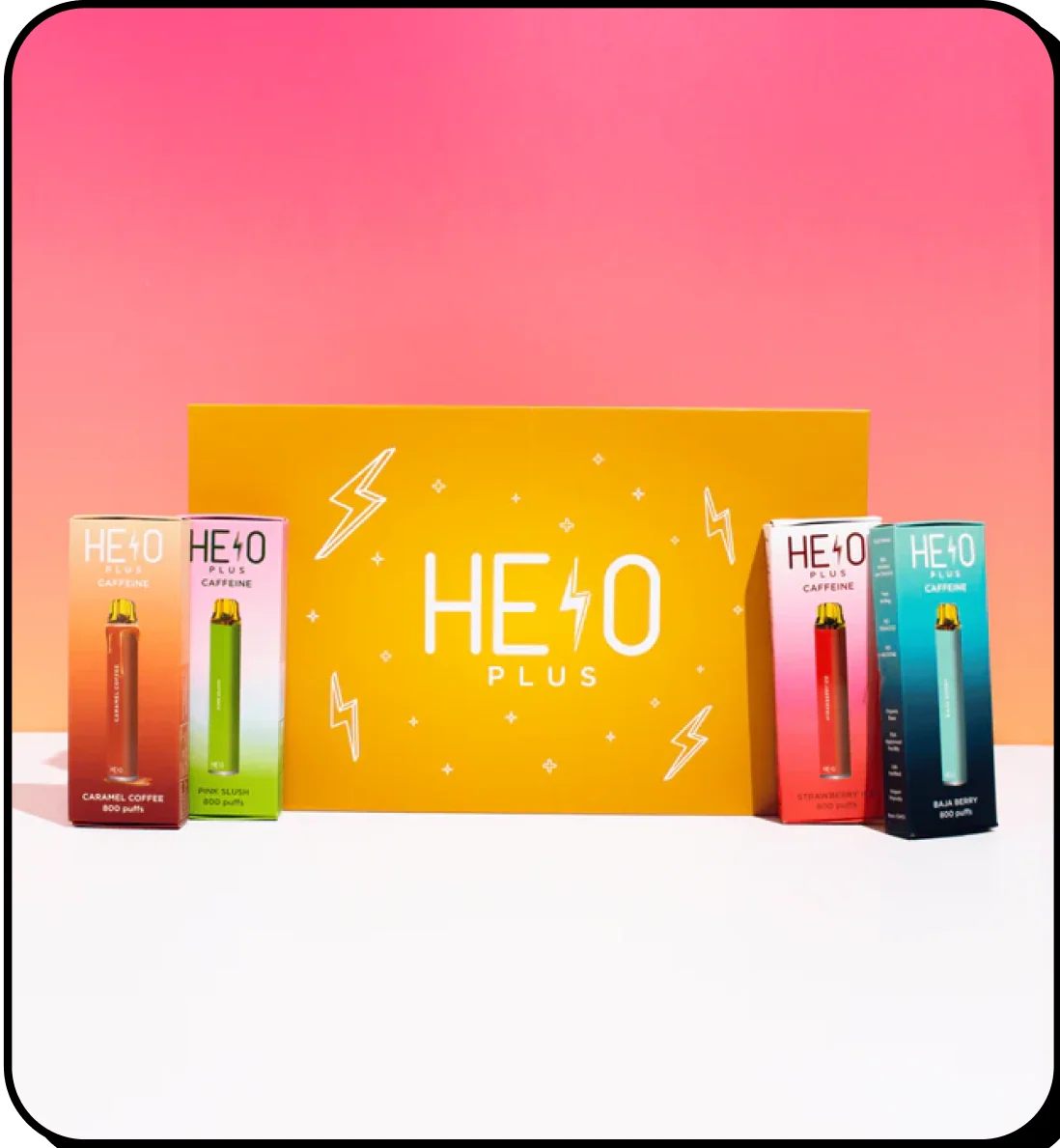
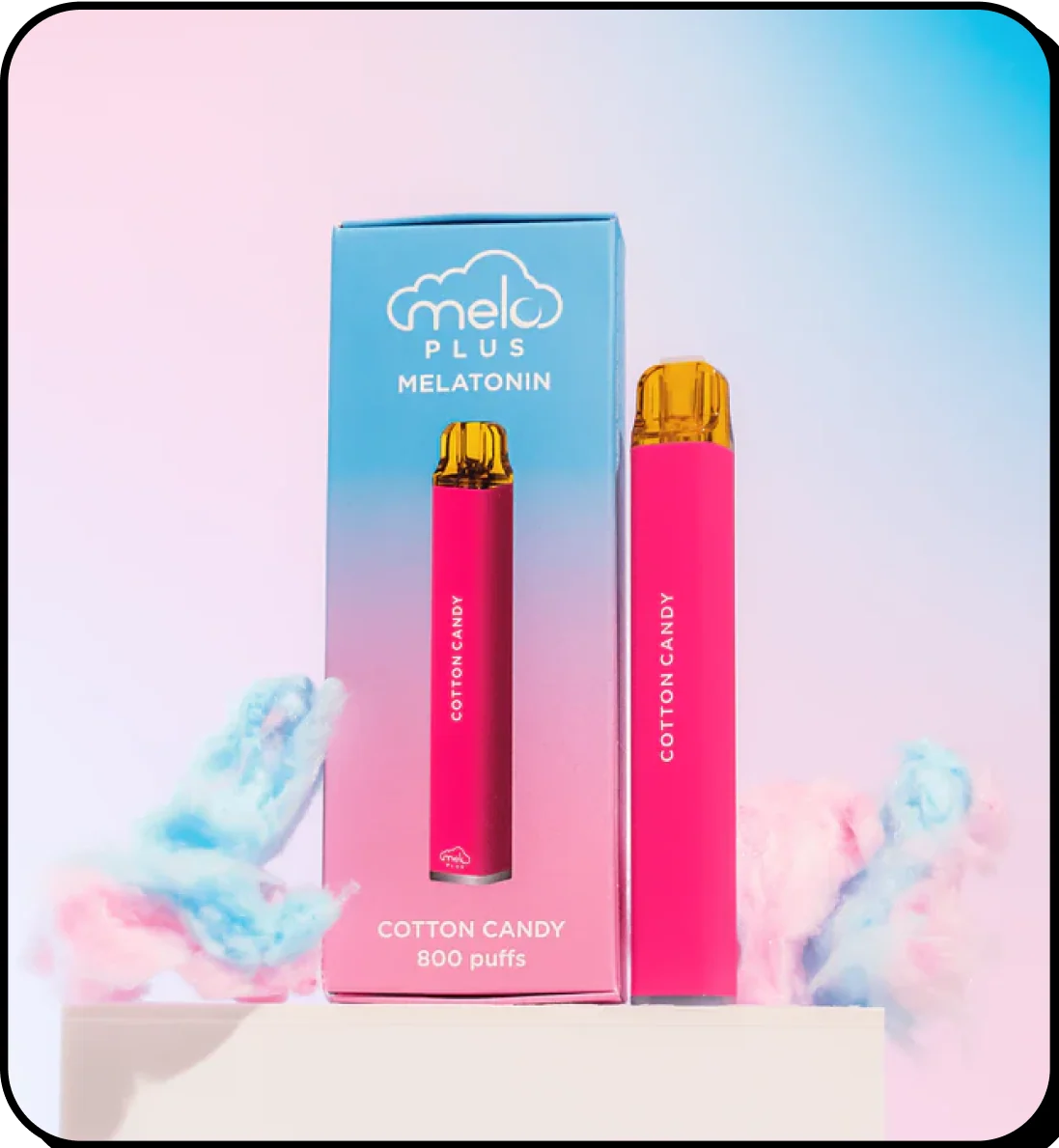
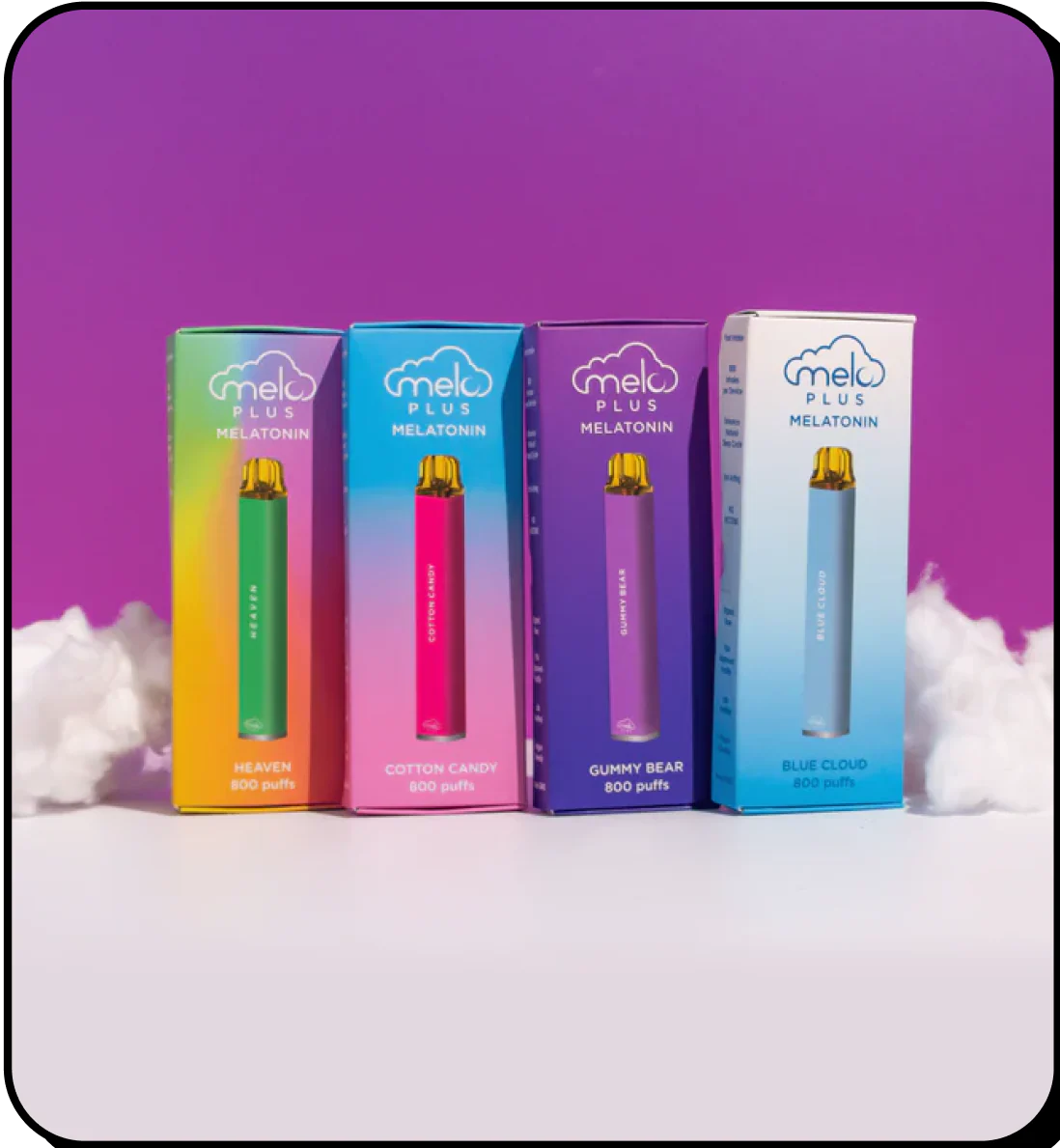
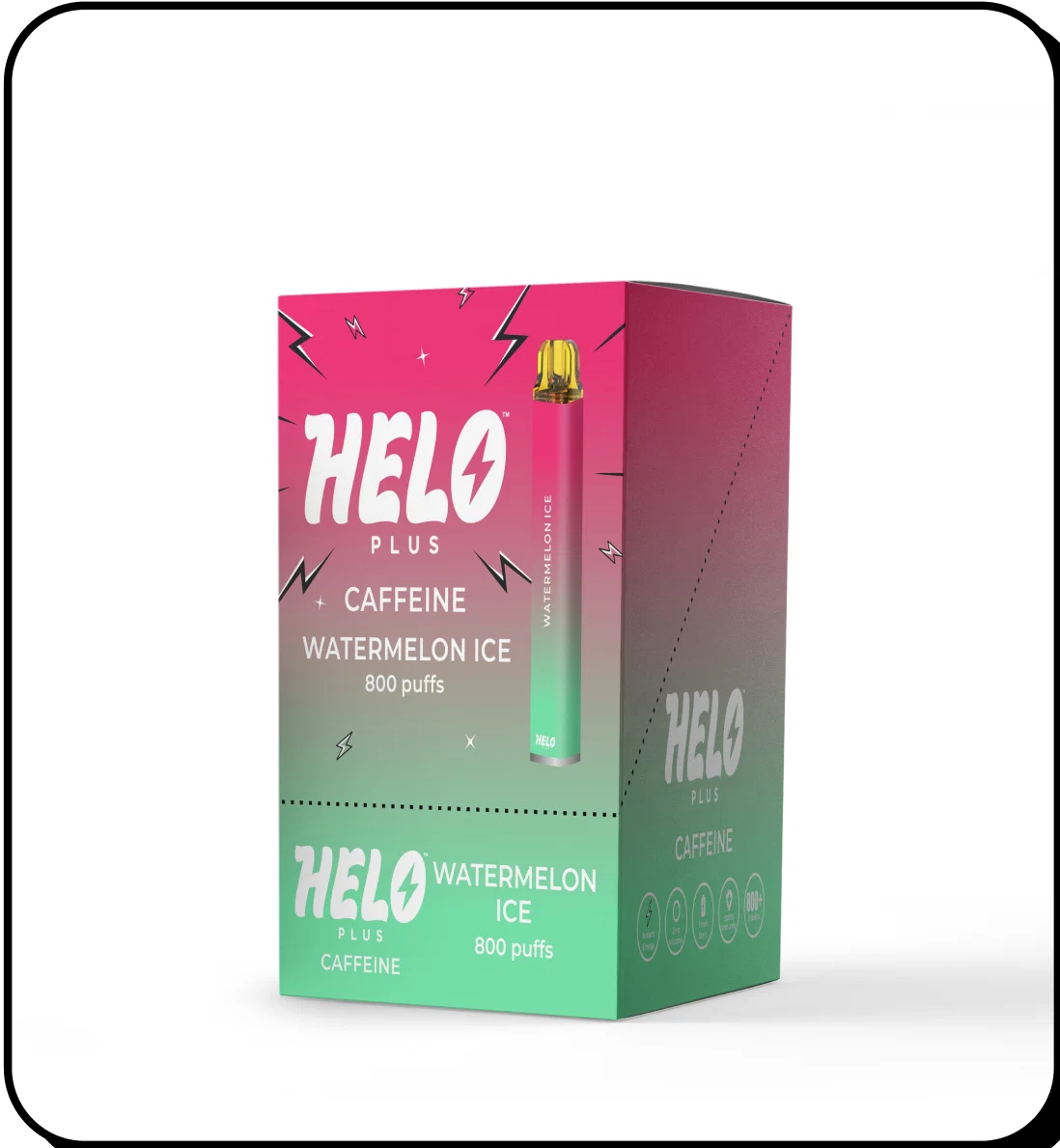
Functional diffusers take the concept a step further. MELO Labs builds diffusers that match the rhythm of your day instead of just replacing one empty habit with another. Melatonin diffusers for winding down at night. Caffeine and B12 for staying sharp during the day. Every ingredient on the label. No synthetic nicotine, no proprietary blends. Same ritual. Zero nicotine. And something your body can put to work instead of just flavored vapor.
Quit the nicotine, keep the ritual. You still get the hand-to-mouth motion, the inhale, the break from your desk. But instead of feeding a habit you’re trying to leave behind, you’re building a new routine that fits your life going forward.
Make the Nicotine-Free Switch on Your Terms
Nicotine gum and nicotine-free vapes both have a place. They just work at different stages of the same process. The right choice isn’t about which product is objectively “better.” It’s about matching the right tool to whatever part of the habit still has a grip on you.
Figure out which track is driving your cravings. Pick accordingly. And whatever you choose, take five minutes to read what’s in it before you buy.
If you’re past the chemical cravings and the ritual is what’s left, MELO Labs’ nicotine-free diffusers are built for that exact stage. They run on functional ingredients like melatonin and caffeine, not synthetic nicotine or empty vapor. See the full lineup and find the one that fits your routine.
References
Etter, Jean-Francois. “Dependence on the Nicotine Gum in Former Smokers.” Drug and Alcohol Dependence, vol. 101, no. 1-2, 2009, pp. 49-58.
Jabba, Sairam V., et al. “High Variability in Nicotine Analog Contents, Misleading Labeling, and Artificial Sweetener in New E-Cigarette Products Marketed as ‘FDA-Exempt.'” Nicotine and Tobacco Research, 2024. scholars.duke.edu/publication/1624697.
Leave a comment