

Young Adult Vaping Statistics & Data to Know in 2026
Young adults remain the heaviest vaping age group in America. In 2024, 14.8% of adults aged 18 to 24 currently used e-cigarettes, the highest rate of any age group, according to the CDC’s National Health Interview Survey. Youth use is moving the other way. Current e-cigarette use among middle and high school students fell to 5.9% in 2024, about 1.63 million students and the lowest level in a decade, per the CDC’s 2024 National Youth Tobacco Survey. The story underneath those headline numbers is what matters for 2026. Fewer young people are starting, but the ones who vape are using more often, reaching for stronger nicotine, and saying loudly that they want out.
Key Young Adult Vaping Statistics at a Glance
-
14.8% of US adults aged 18 to 24 currently used e-cigarettes in 2024, the highest of any age group (CDC NHIS).
-
5.9% of middle and high school students currently used e-cigarettes in 2024, about 1.63 million, down from 7.7% in 2023 (CDC 2024 NYTS).
-
67% of young adult nicotine users aged 18 to 24 plan to quit for 2026, up from 48% a year earlier (Truth Initiative).
-
87.6% of youth who vape used flavored products, with fruit (62.8%) and candy (33.3%) the top draws (CDC).
-
26.3% of youth e-cigarette users vaped daily in 2024 (CDC).
-
The share of student daily vapers who tried to quit but could not climbed from 28.2% in 2020 to 53% in 2024 (Truth Initiative).
-
Disposable e-cigarette sales rose more than 500% between 2019 and 2023 (CDC Foundation).
-
One JUUL pod can carry the nicotine of a pack of 20 cigarettes (peer-reviewed research in Tobacco Control).
-
Nicotine can harm brain development, which continues until about age 25 (CDC).
How Many Young Adults Vape
Young adults carry the highest vaping rates in the country. The CDC’s National Health Interview Survey put current e-cigarette use among adults aged 18 to 24 at 14.8% in 2024, well ahead of every older bracket. Vaping prevalence drops steadily with age, which is why the 18 to 24 window sits at the center of the public health conversation.
The youth picture looks different in 2026. Current e-cigarette use among middle and high school students dropped to 5.9% in 2024, roughly 1.63 million students, down from 7.7% the year before, the CDC’s 2024 National Youth Tobacco Survey reported. High school use fell from 10.0% to 7.8%, about 1.21 million teens, and middle school use sat at 3.5%, around 410,000 students. E-cigarettes stayed the most used tobacco product among youth, with nicotine pouches in second place.
That decline is real and worth celebrating, but it does not mean the problem is solved. Roughly 2.25 million students, about one in 12, still used some tobacco product in 2024. For the young adults who picked up a vape as teenagers and carried the habit into their twenties, the lower headline rate offers little comfort.
What Young People Are Vaping, and How Often
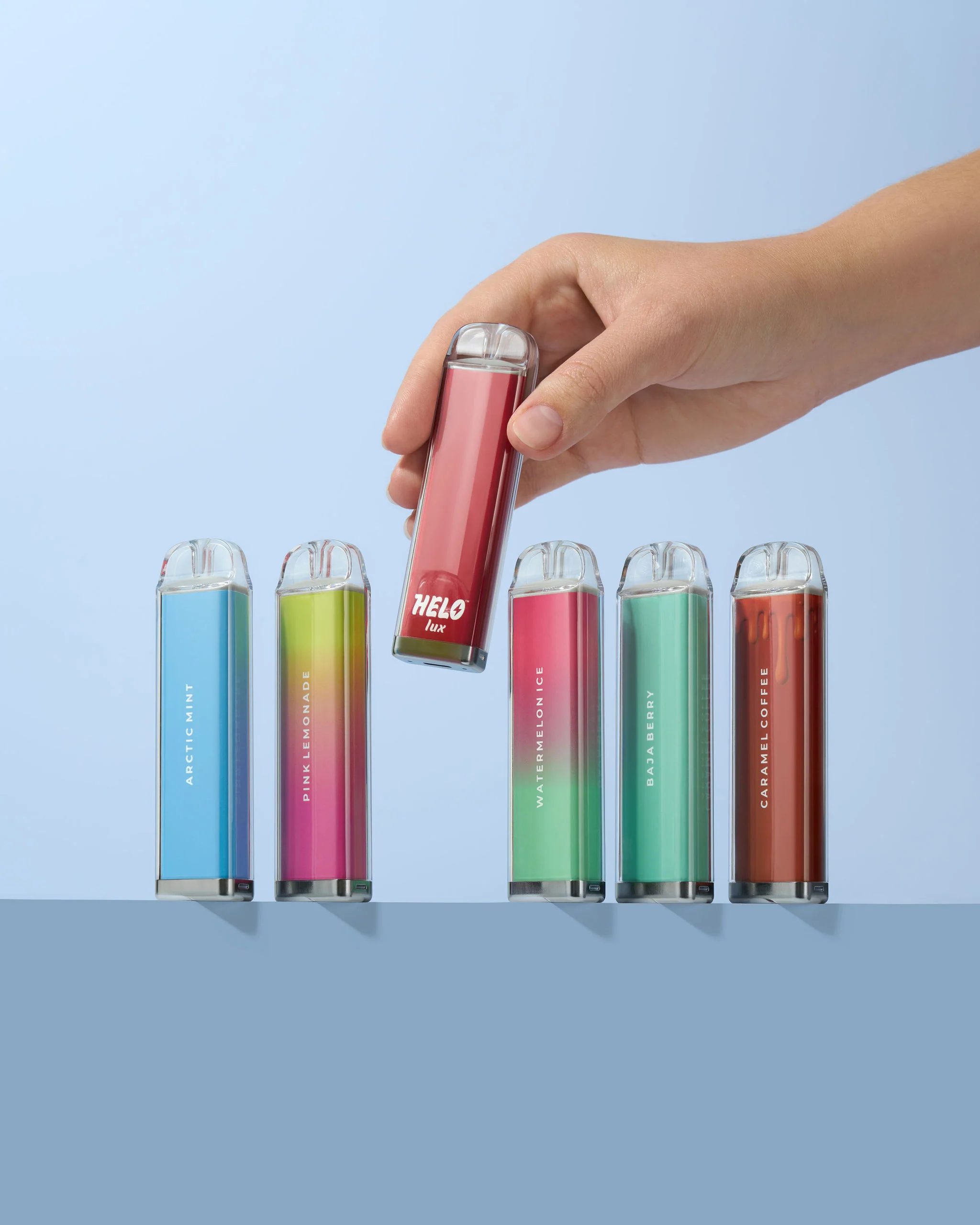
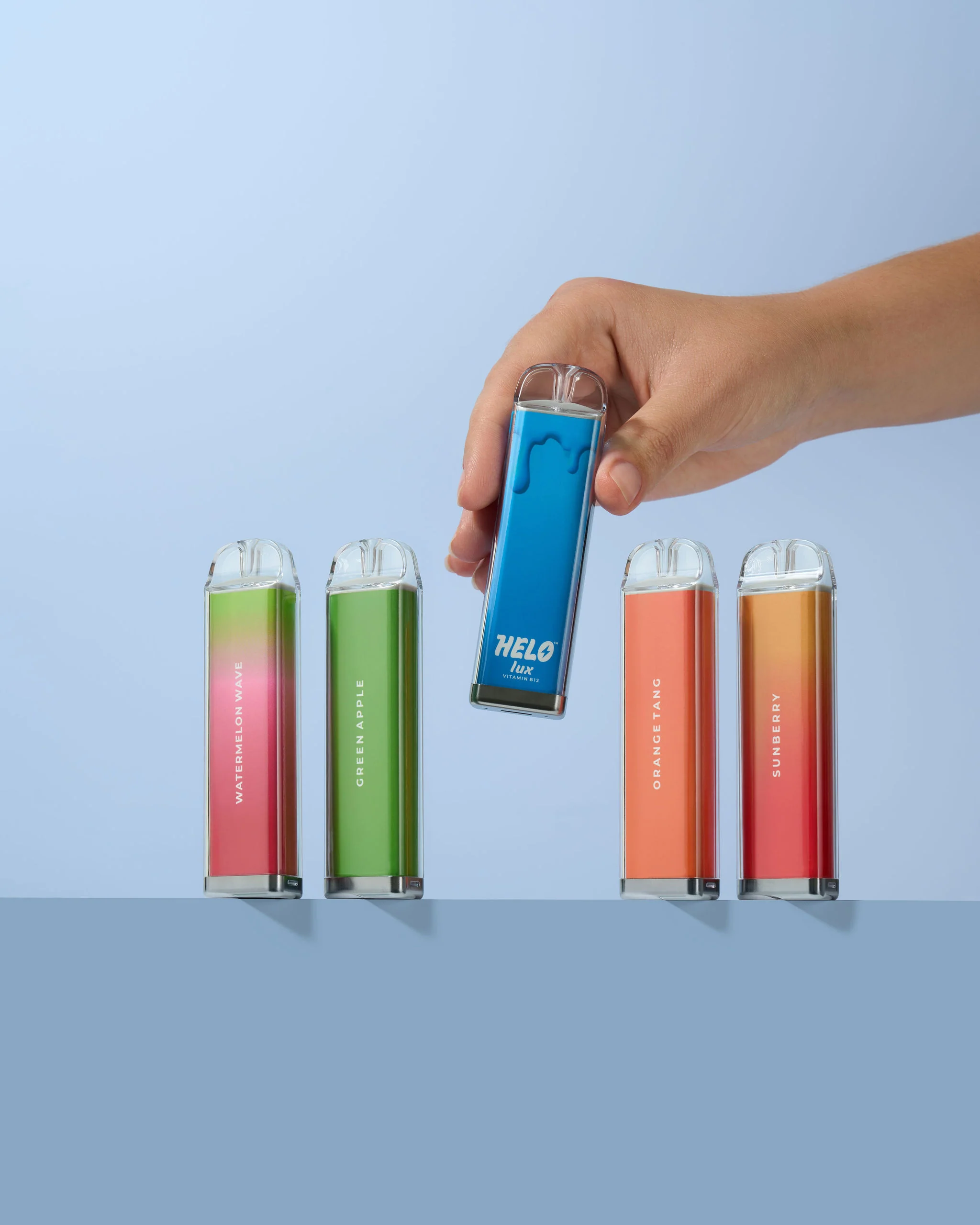
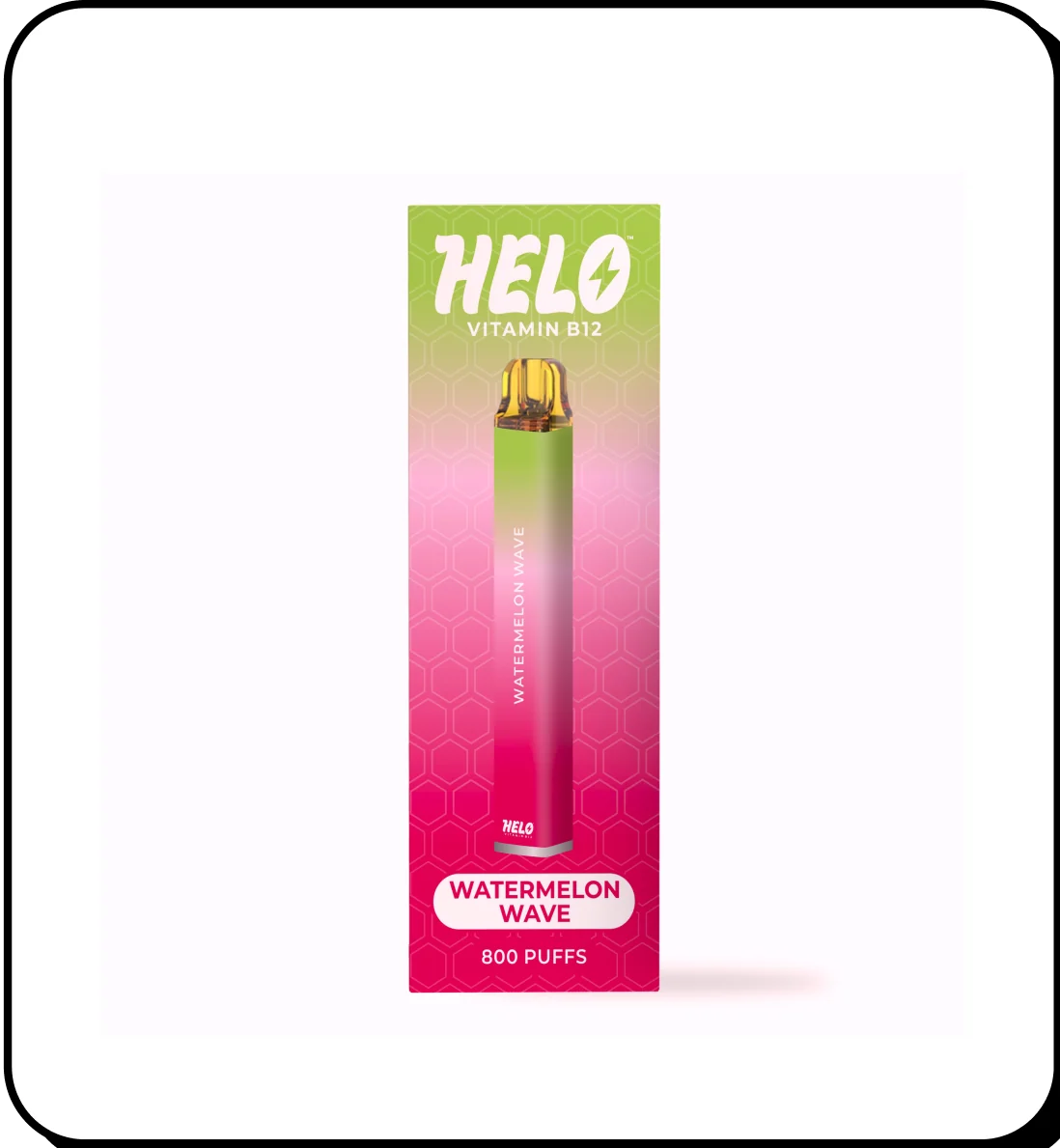
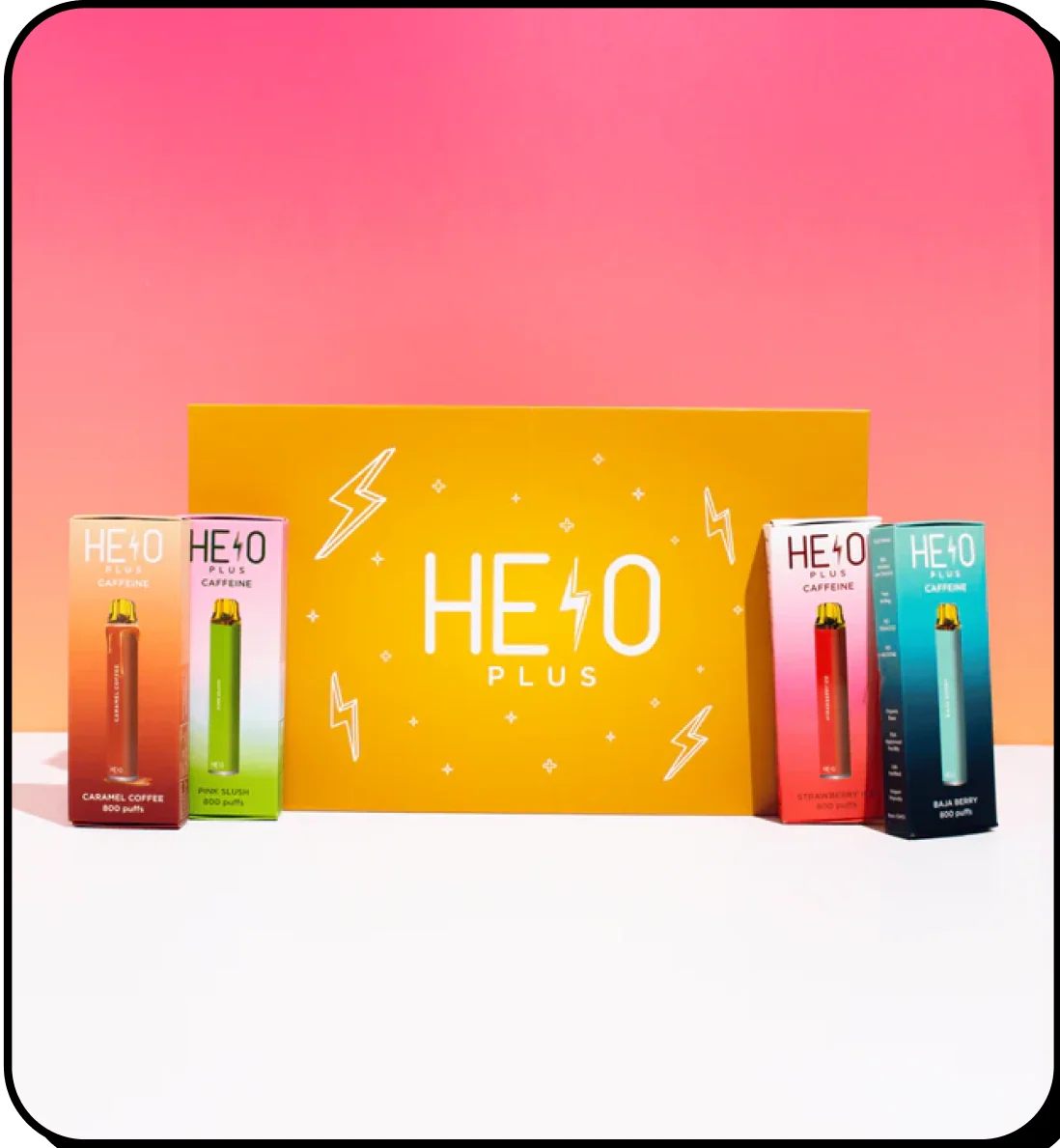
Flavors drive young-adult and youth vaping, and the data is blunt about it. Among youth who vape, 87.6% used flavored products in 2024, with fruit (62.8%), candy (33.3%), and mint (25.1%) leading the pack, the CDC found. Disposable devices were the most common type, led by brands like Elf Bar (36.1%) and Breeze (19.9%). These are the products built for the disposable vape market, cheap, sweet, and easy to hide.
Frequency is where the warning signs sit. About 26.3% of youth e-cigarette users vaped daily in 2024, a sign that a meaningful slice of young users are not casual experimenters but regular consumers. Dependence often shows up fast. Truth Initiative research has found that a large share of teen vapers reach for a device within 30 minutes of waking, a classic marker of physical addiction.
The market itself got stronger and more disposable at the same time. Disposable e-cigarette sales rose more than 500% between 2019 and 2023, and the average nicotine strength of disposable devices climbed 294% over five years, according to the CDC Foundation’s Monitoring E-Cigarette Trends report. Youth-appealing flavors made up more than 80% of sales. Young people are vaping less often as a group, but each puff tends to deliver more nicotine than it did a few years ago.
Young Adults in the Bigger Vaping Picture
Young-adult vaping sits inside a broader rise in adult e-cigarette use. Overall adult use grew from 4.5% in 2019 to 6.5% in 2023, according to a peer-reviewed analysis of National Health Interview Survey data. Within that climb, the 18 to 24 group did the heavy lifting, and the 21 to 24 slice topped every age band.
The “harm reduction” framing breaks down for this age group. A common defense of vaping is that it helps adult smokers switch off cigarettes, but young adults often were not smokers to begin with. The same CDC survey work shows that a large share of adult e-cigarette users never smoked combustible cigarettes at all, which means for many young people the vape is a first nicotine product, not a step down from something worse. For a generation that never picked up a cigarette, starting on high-strength disposables is a step up in nicotine exposure, not a step away from it.
Why Young Brains Are the Real Risk
Age is the core of why young-adult vaping draws so much concern. Nicotine can harm brain development, which continues until about age 25, the CDC reports. That means a 22-year-old vaping daily is exposing a still-developing brain, not a finished one. Nicotine use during these years can affect the parts of the brain that control attention, learning, mood, and impulse control.
Young people also hook faster. The CDC notes that youth can show signs of nicotine addiction quickly, sometimes before regular daily use even begins. That speed helps explain how a teenage habit becomes a twenty-something dependence that is hard to shake.
The dose matters too. One JUUL pod at 5% strength can carry roughly the nicotine of a full pack of 20 cigarettes, peer-reviewed research published in Tobacco Control found. A young adult who finishes a pod a day is taking in a cigarette-pack-sized nicotine load, which is why so many describe quitting as harder than they expected. For readers weighing the trade-offs, MELO’s guide to vaping without nicotine lays out why the nicotine, not the act of vaping itself, drives the dependence.
The Quit Gap, and Why 2026 Matters
Here is the fresh angle the headline decline hides. Young people want to quit, and more of them want to quit than ever, but the ones who are hooked are finding it harder to break free.
The desire is at a record high. About two-thirds (67%) of young adult nicotine users aged 18 to 24 plan to quit for the new year in 2026, up sharply from 48% the year before, according to a December 2025 survey from Truth Initiative. Most said their top reason was to improve their mental and physical health, not pressure from anyone else.
The struggle is just as clear. Among middle and high school daily e-cigarette users, the share who tried to quit but could not rose from 28.2% in 2020 to 53% in 2024, the same Truth Initiative analysis found. More than half of the most dependent young vapers attempted to stop and failed. That gap, between strong intent and stubborn addiction, is the defining young-adult vaping story of 2026.
The Regulation Squeeze on Youth-Appealing Products
Most of what young adults actually vape was never cleared for sale. The FDA has authorized only a few dozen e-cigarette products as legal for the US market, a tiny fraction of what fills shelves and online carts. Enforcement stepped up hard through 2024. In one October 2024 action, the FDA and Customs and Border Protection seized about 3 million units of unauthorized e-cigarettes worth an estimated $76 million. In December 2024 the FDA issued warning letters over flavored disposables sold under brands popular with young people, including Geek Bar and Lost Mary.
The takeaway for 2026 is that the sweet, high-nicotine disposables driving young-adult use largely sit outside the legal market, even as they shape the habits of millions. Regulation is tightening around the exact products this age group reaches for most.
What’s New in Young Adult Vaping for 2026
A few shifts stand out this year that older statistics roundups miss.
First, the record quit intent. The jump from 48% to 67% of young adults planning to quit marks the strongest motivation Truth Initiative has tracked, and it reframes young vapers as people actively looking for an exit rather than committed users.
Second, the dependence deepening even as use falls. The number of young people vaping is down, but the failed-quit-attempt rate among daily users nearly doubled in four years, per Truth Initiative. A smaller group of harder-hooked users is the new shape of the problem.
Third, the product escalation. With disposable sales up more than 500% and average nicotine strength up 294% over five years, per the CDC Foundation, the devices left on the market hit harder than the ones young people started with. The combination of stronger nicotine and a generation that wants to quit sets up 2026 as a pivot year for how young adults relate to vaping.
How MELO Fits In
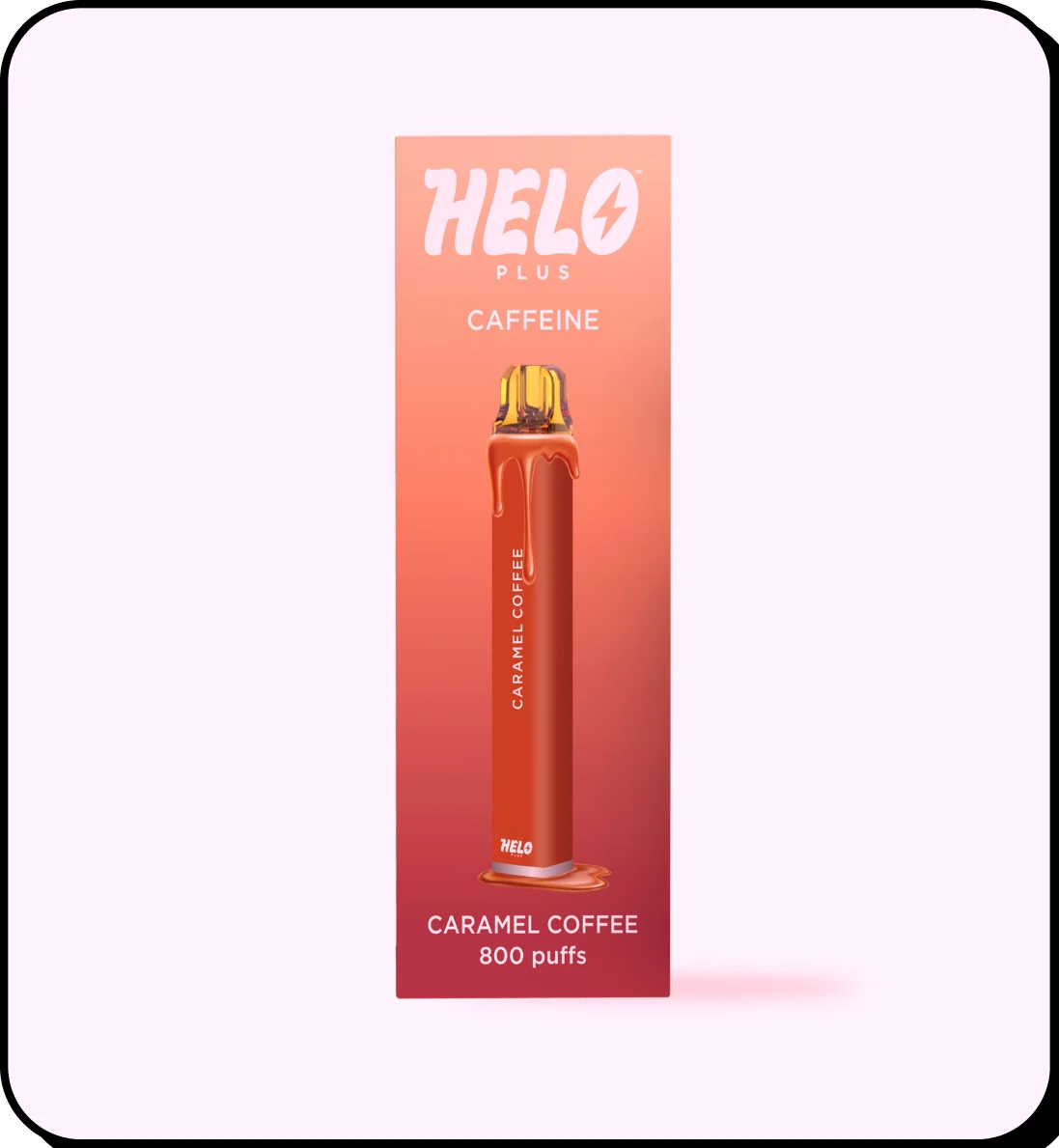
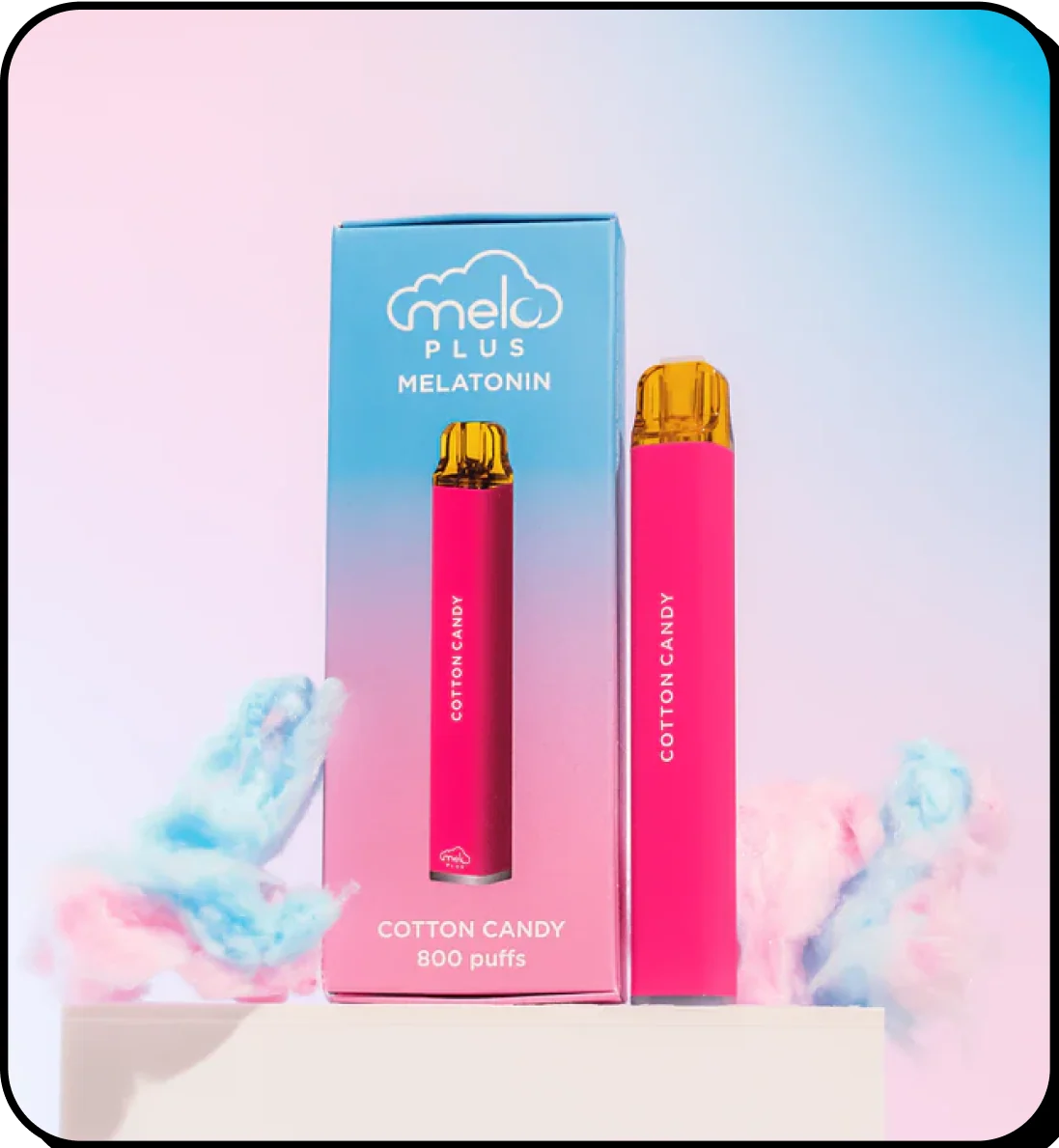
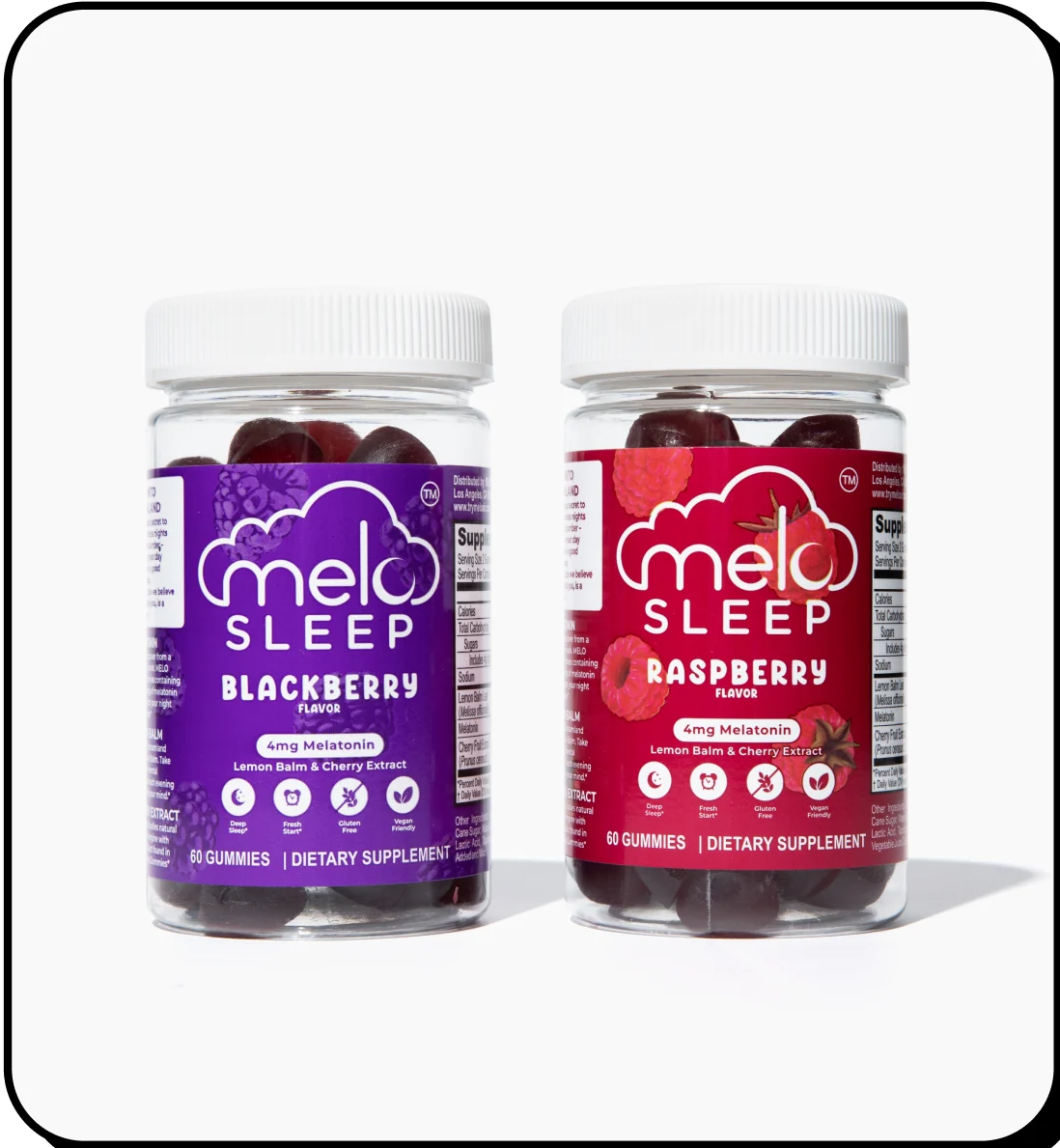
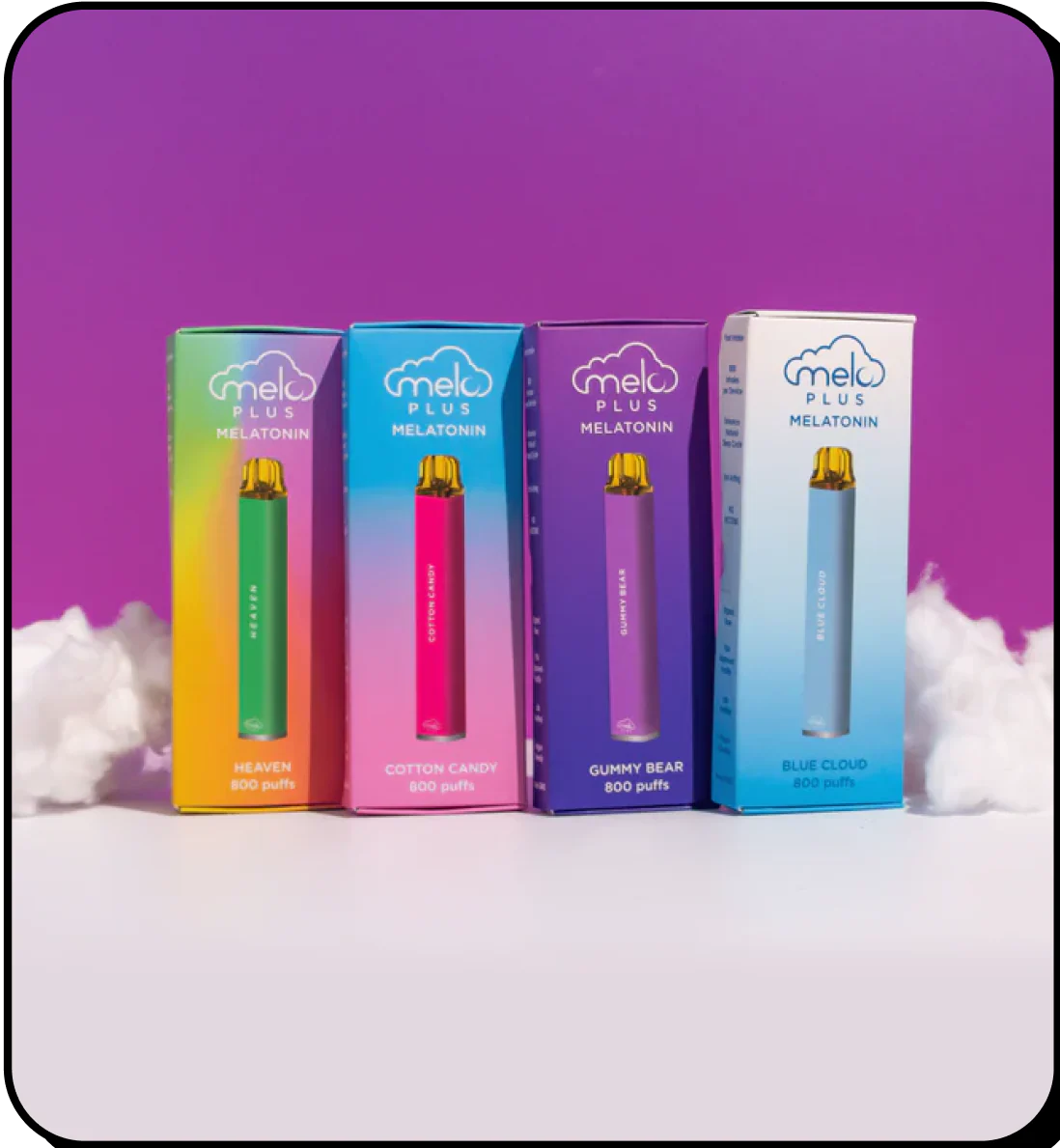
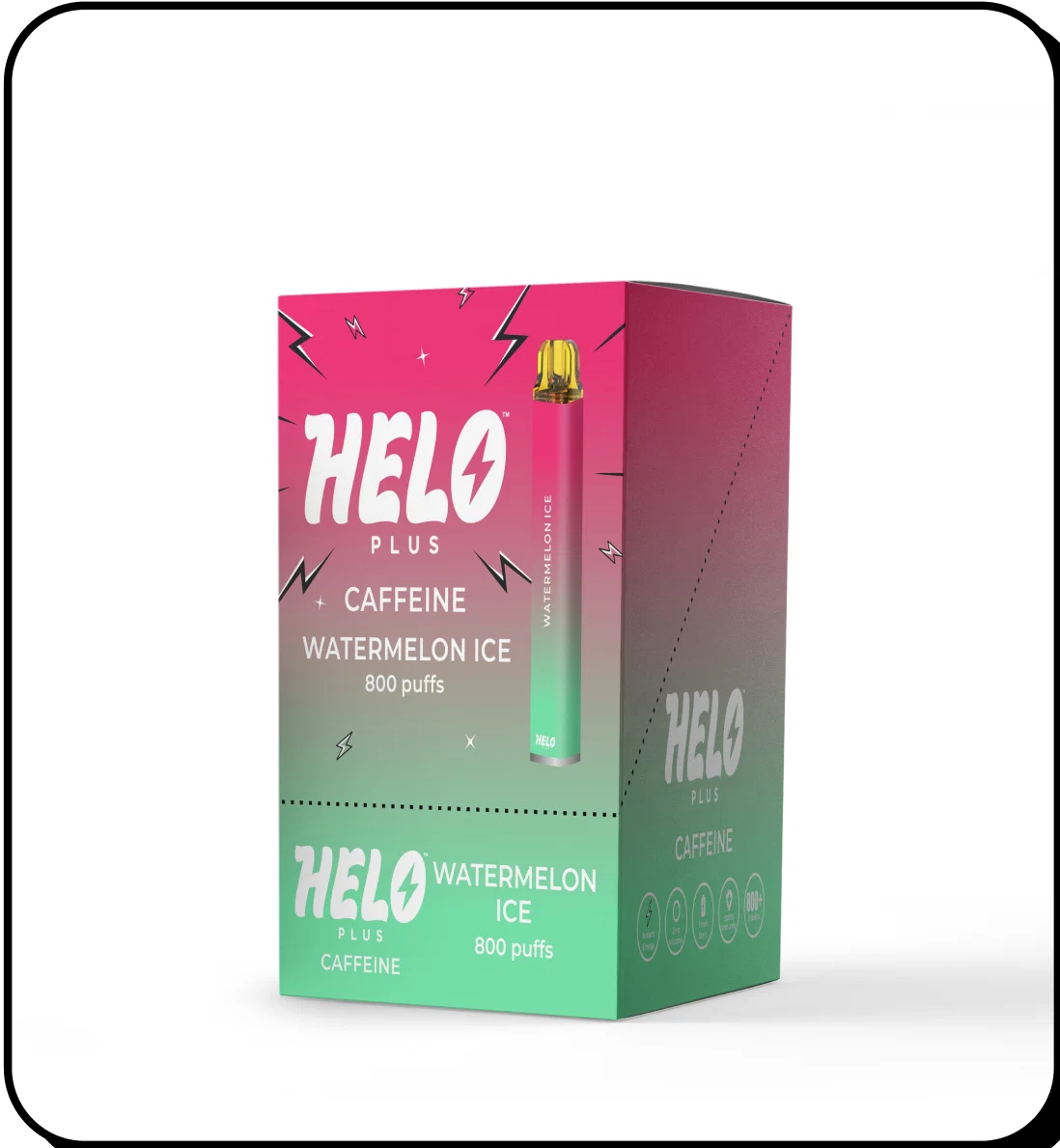
For young adults trying to close their own quit gap, the nicotine is the hard part, not the habit of bringing a device to your lips. MELO makes nicotine-free vapes and plant-based vape options designed to keep the ritual while dropping the addictive ingredient the data keeps pointing to. If you are part of the 67% planning to quit nicotine this year, you can shop MELO to find a zero-nicotine option built for exactly that step.
Leave a comment