
Are Vitamin Vapes Safe, and Do You Absorb the Vitamins?
Are vitamin vapes safe? Current evidence doesn’t show that they are proven safe or that heated devices deliver vitamins in a reliable, useful dose. Safety and absorption are separate questions.
One asks what the aerosol may do to your lungs. The other asks whether an intact vitamin reaches your bloodstream in a meaningful amount.
If you already vape and you’re curious about a nicotine-free ritual, you deserve a straight answer without the glossy wellness pitch. The device still sends a heated aerosol into your airways. Nicotine is only one piece.
If you’ve never used an inhaled product, a familiar vitamin label doesn’t create a health reason to start.
What Are Vitamin Vapes, and How Do They Work?
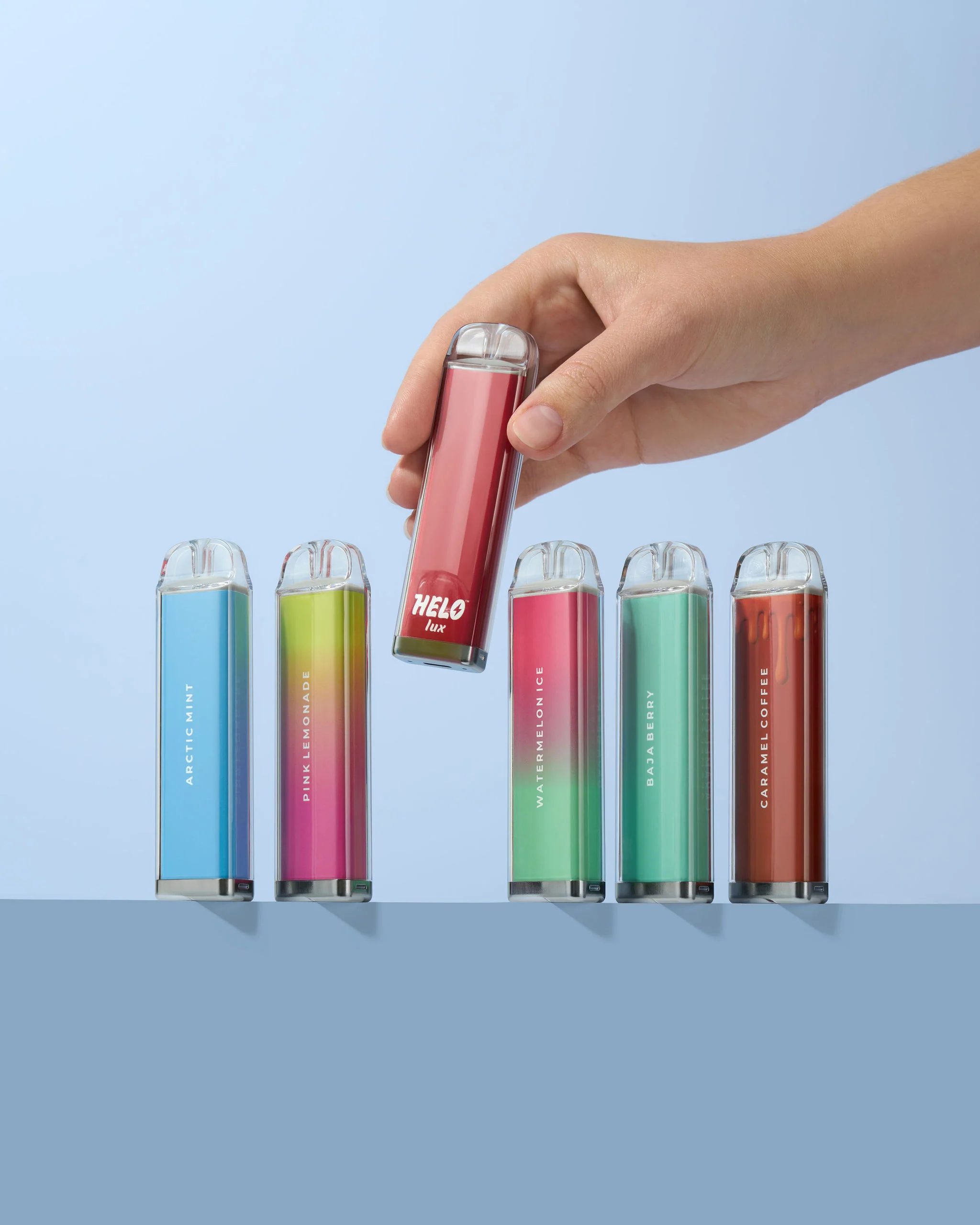
Vitamin vapes, sold as vitamin diffusers or wellness vapes, heat a liquid to create an aerosol you inhale. Many contain no nicotine. Common vitamin vape ingredients include vitamin B12, vegetable glycerin, water, and flavor extracts.
The word vapor makes the process sound similar to breathing steam. The more accurate word is aerosol because a heated coil turns the formula into tiny droplets and other compounds that travel into your airways. Heat matters here.
Calling a device a diffuser or inhaler doesn’t change that delivery method. The label doesn’t make the product equivalent to a medical nebulizer, which produces a mist without the same heated-coil process. Research on one device can’t be pasted onto the other and treated as proof.
Are Vitamin Vapes Safe? What We Know and What We Do Not
Independent research has not established the long-term safety of vitamin vapes. If you are asking whether B12 vapes are safe, available data still can’t show what every formula, device, use pattern, or long-term exposure may do. The honest answer includes real uncertainty. Questions about the safest vape options deserve the same evidence-first standard.
The FDA has warned companies that sold wellness vapes with unproven health claims. The agency says inhaled products can trigger severe coughing, tighten the airways, make speaking difficult, and create breathing problems serious enough to need medical attention. Unsupported benefits and uncertain inhalation risks are two problems worth checking separately.
Ingredient quality matters. Manufacturing controls, contamination testing, coil temperature, and the chemistry of the finished aerosol matter too. That is only a start.
The finished aerosol deserves the spotlight because that is what reaches the body. Testing only the liquid can miss changes caused by heat, storage, metal components, ingredient interactions, and wear inside a device that may behave differently over time. A clean-looking label is useful, but it is still the starting point.
Nicotine-Free Does Not Mean Risk-Free
A nicotine-free vape formula avoids nicotine exposure. That’s a meaningful difference for an adult who already uses nicotine products, yet it addresses only one ingredient. The rest of the formula and the heating process remain part of the safety question.
The CDC explains that vape aerosol may contain tiny particles, volatile organic compounds, metals, and flavorings that can be suitable for food but unsuitable for inhalation. Your digestive system and your lungs handle exposure differently. Smoothie rules don’t apply to airways.
For a deeper look at nicotine-free vape safety, keep that topic separate from vitamin delivery. One question concerns the missing nicotine. The other covers every ingredient still present, the device itself, the coil, and whatever finally leaves the mouthpiece.
Heating Changes the Safety Question
Heat can change what a product delivers. A vitamin named on the label may break down, transfer poorly, or behave differently once the coil turns the liquid into an aerosol.
A peer-reviewed aerosol chemistry study examined commercial inhalation devices with several active ingredients. Researchers confirmed B12 in the device liquid, but they didn’t detect intact B12 in the generated aerosol or exhaled breath under the tested setup. They did identify 5,6-dimethylbenzimidazole, a B12 breakdown product.
That test can’t describe every device, liquid, or power setting. It does show why finding an ingredient in the reservoir is only the first rung on a much taller evidence ladder. Wattage, device design, liquid composition, and puff conditions can change what comes out.
Settings matter for the same reason. Vitamin vape risks can change with power level, and an aging coil may behave differently from a fresh one. Product-specific research should reflect the device the customer receives and the way it is meant to be used.
The funding deserves a clear mention too. Philip Morris International was the study’s sole sponsor, and all but one author worked for the company. The measurements still count, but independent replication would carry more weight.
Never-users don’t gain a wellness reason to start inhaling aerosol. Youth, pregnant people, and anyone with lung or airway concerns need extra caution because a nicotine-free label doesn’t erase every other exposure.
Treat serious coughing, chest pain, or trouble breathing as potential vitamin vape side effects that need prompt attention. Stop using the product and seek medical care.
If you’re trying to understand low B12 or ongoing fatigue, talk with a qualified healthcare professional. Familiar symptoms can have several causes, and proper testing gives you more useful information than a wellness label.
Who Is a Vitamin Vape For?
Vitamin vapes fit a narrow use case, not every wellness goal.
MELO Labs limits HELO diffusers to adults 21 and older. HELO B12 is most relevant to adults who already use inhaled products and want a nicotine-free ritual. It is not a treatment for low B12, a measured supplement, or a reason for never-users to start.
Do You Absorb Vitamins From a Vape?
Do vitamin vapes work as reliable delivery systems? Lung absorption is biologically possible, but reliable vitamin delivery from commercial heated vape pens hasn’t been established. A vitamin on the label tells you very little about the dose that may reach your bloodstream.
Think of the evidence as a ladder. The intact vitamin must begin in the liquid, survive aerosolization, reach the lungs, enter the blood, arrive in a consistent amount, and produce a useful effect. Skip a rung and the big marketing claim falls apart.
Without product-specific dose and bioavailability data, nobody can honestly translate a puff count into a tablet, gummy, sublingual product, or injection. Detecting some amount in blood wouldn’t automatically prove the dose is consistent or effective either.
A decades-old inhalation study on inhaled vitamin B12 found that controlled pulmonary delivery of vitamin B12 raised blood levels in a small group of patients. Useful, but narrow. Purpose-built systems can deliver B12 under tightly controlled medical conditions.
Modern B12 vape pens are a different system. The older research used controlled inhalation methods, and its authors didn’t present the route as superior to established options. Useful evidence deserves context, not a free pass into every new device.
Marketing often blurs that gap. A controlled medical protocol defines the compound, amount, equipment, and delivery conditions. A consumer vape needs its own evidence for each of those pieces before anyone can make a reliable comparison.
A nebulizer mechanically disperses liquid into a mist. A vape pen relies on heat, which changes the chemistry first.
Coil temperature, carrier liquid, device geometry, particle size, wattage, and puff pattern can all affect the aerosol. A company needs evidence on its finished product rather than a general paper showing that lungs can absorb B12.
Watch the marketing leap. A true statement about inhaled B12 can quickly turn into an unsupported promise that a specific vape delivers it reliably. Those claims need different evidence.
Absorption Is Not the Same as an Effective Dose
Finding a compound in blood doesn’t show that a product corrects deficiency, delivers the same amount with every use, or creates a noticeable energy effect. Dose consistency and clinical usefulness need their own data.
Customer reviews can show how people describe an experience. They can’t prove bioavailability. Sleep, food, stress, caffeine, expectations, and other everyday variables shape energy, focus, and mood.
Confirmed deficiency calls for clinician-guided dosing. Food, oral supplements, sublingual products, and injections have much clearer dosing frameworks than commercial vitamin vapes.
How Does a B12 Diffuser Compare With a Supplement?
A B12 diffuser and a measured supplement answer different needs and are not interchangeable.
Vitamin vape absorption is one reason the comparison is difficult. The current MELO Labs page gives HELO B12 serving guidance as 5-10 puffs but does not state the exact B12 amount in that serving. Tablets, gummies, sublingual products, and clinician-directed options use clearer dose labels for nutrition decisions. If your goal is a hand-to-mouth ritual without nicotine, HELO B12 may fit. If your goal is correcting intake or deficiency, choose a route with a stated dose and professional guidance.
How Can You Evaluate a Vitamin Vape Before Using It?
Start with the details. Even a healthy vape label is not evidence by itself. A useful product page should name every ingredient, identify the vitamin form, state the amount per device or serving, and explain what counts as a serving. “Contains B12” still isn’t a dose.
Next, look for testing that matches the claim. A certificate of analysis should name the lab, batch, test date, methods, detection limits, substances checked, and enough product details to connect the report to the item being sold. The better question is whether the brand tested the generated aerosol, the unheated liquid, or both.
Make sure the paperwork is current and tied to the product you’re considering. A report from another flavor, an older batch, or a different device can’t automatically cover what sits in your cart today. Small details carry weight.
Separate product attributes from proven outcomes. Words such as plant-based, organic, food-grade, and nicotine-free may describe a formula and still leave major questions about heating, exposure, and dose unanswered. None proves long-term inhalation safety or dependable vitamin absorption.
Product Details Worth Checking
When comparing nicotine-free vape ingredients, read the full ingredient list and any explicit exclusions. If a brand says its device contains no nicotine, vitamin E acetate, diacetyl, formaldehyde, or undeclared oils, look for current batch documents that support the wording.
Check the age limit, use instructions, warnings, customer contact details, and process for reporting a reaction. That goes beyond packaging.
When you compare B12 vape pens or other vitamin vapes, compare disclosures instead of slogans. Clear product details make comparison easier. A catchy label, polished package, reassuring slogan, or familiar ingredient can’t settle a chemistry question.
Marketing Red Flags to Treat With Caution
Treat claims such as “FDA approved,” “instant absorption,” “works better than shots,” “safe,” and “treats deficiency” with care. Each one needs the right regulatory status plus strong evidence on the specific finished product.
“Third-party tested” is incomplete on its own. Who ran the test? Ask what the lab examined, when it did the work, which batch it sampled, and whether the testing covered the liquid, the aerosol, or both. No report, no clarity.
Borrowed evidence is another tell. Research on a nebulizer, tablet, injection, or different vape device can’t prove how the product in your hand performs.
Where the HELO B12 Diffuser Fits
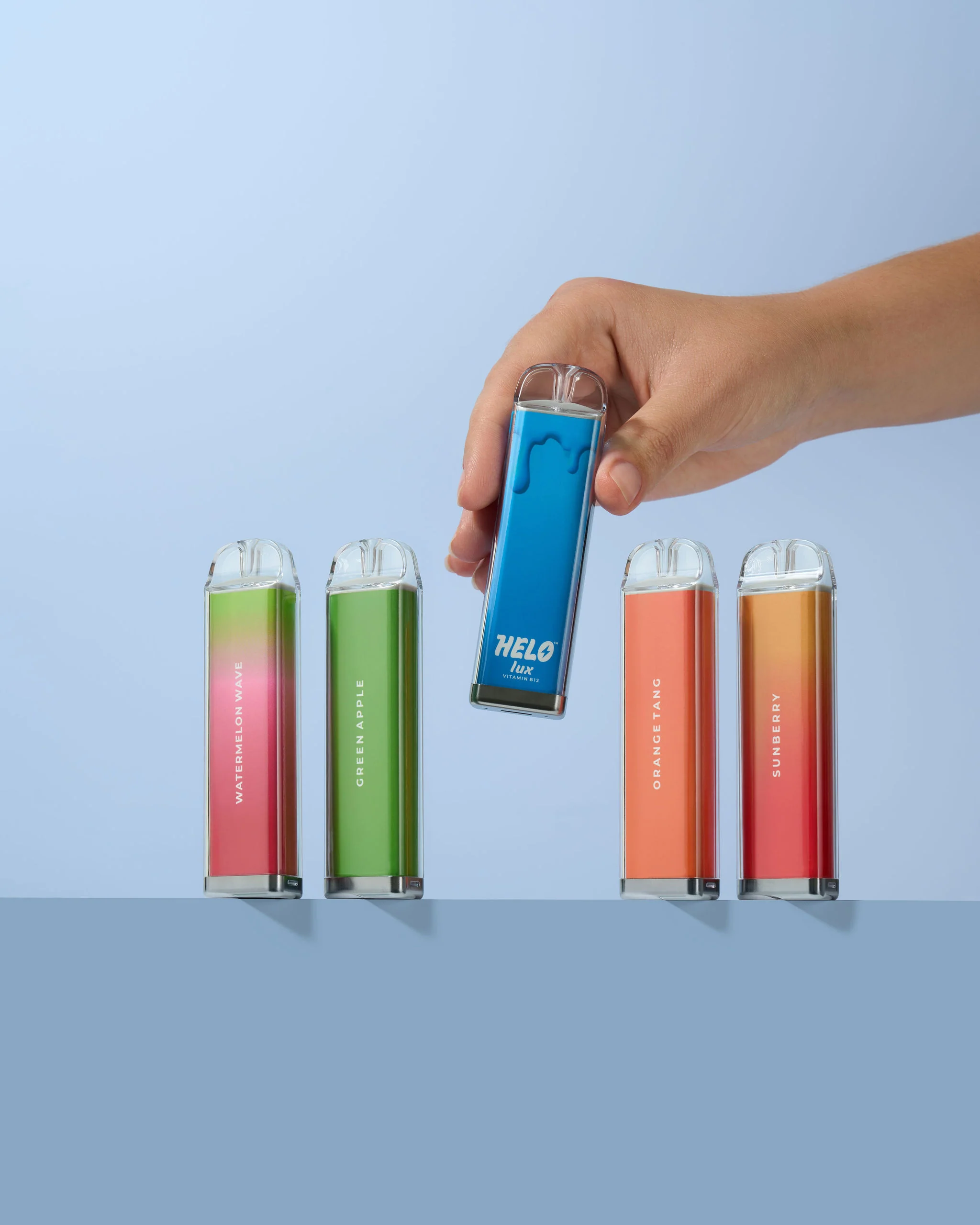
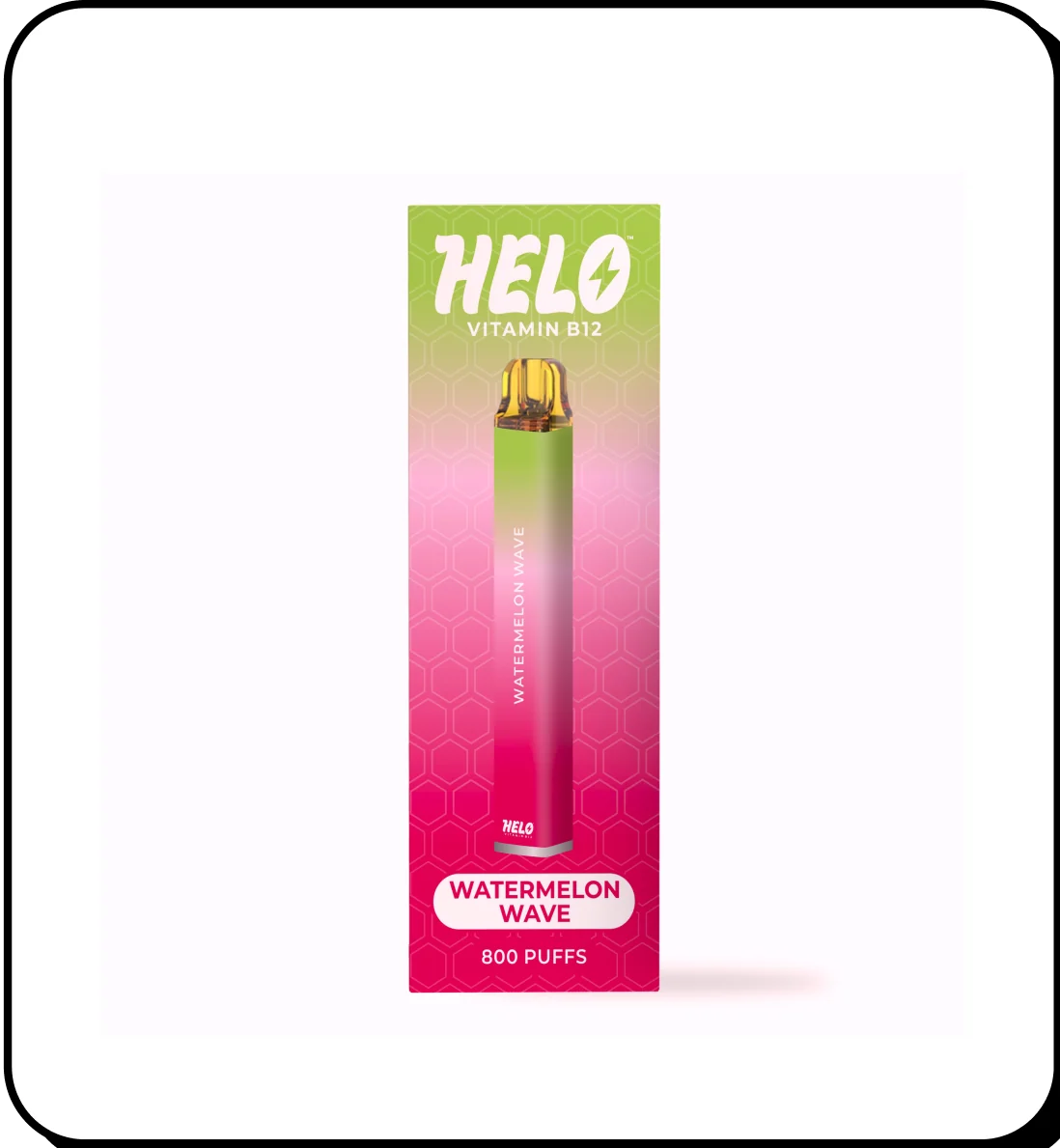
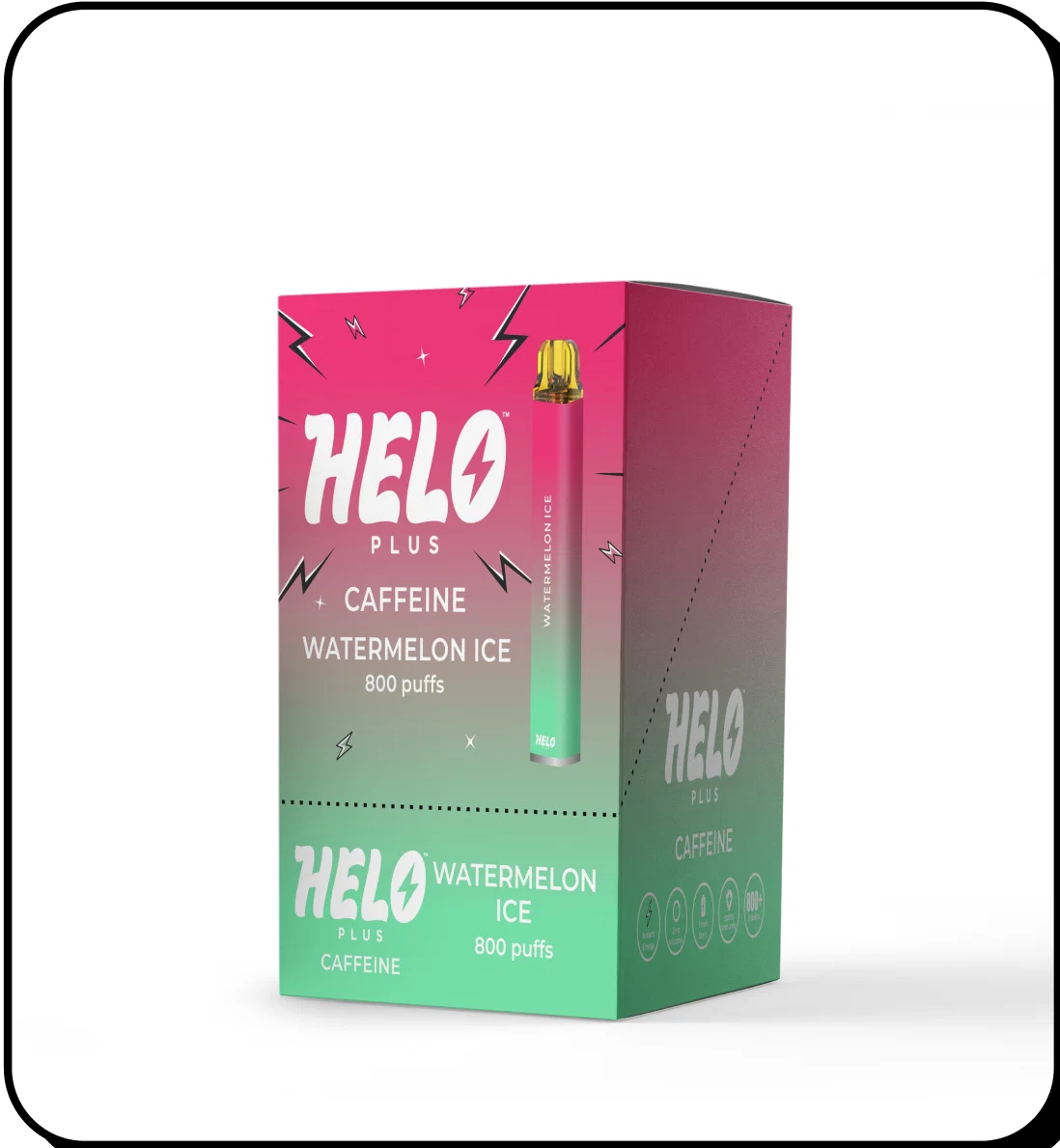
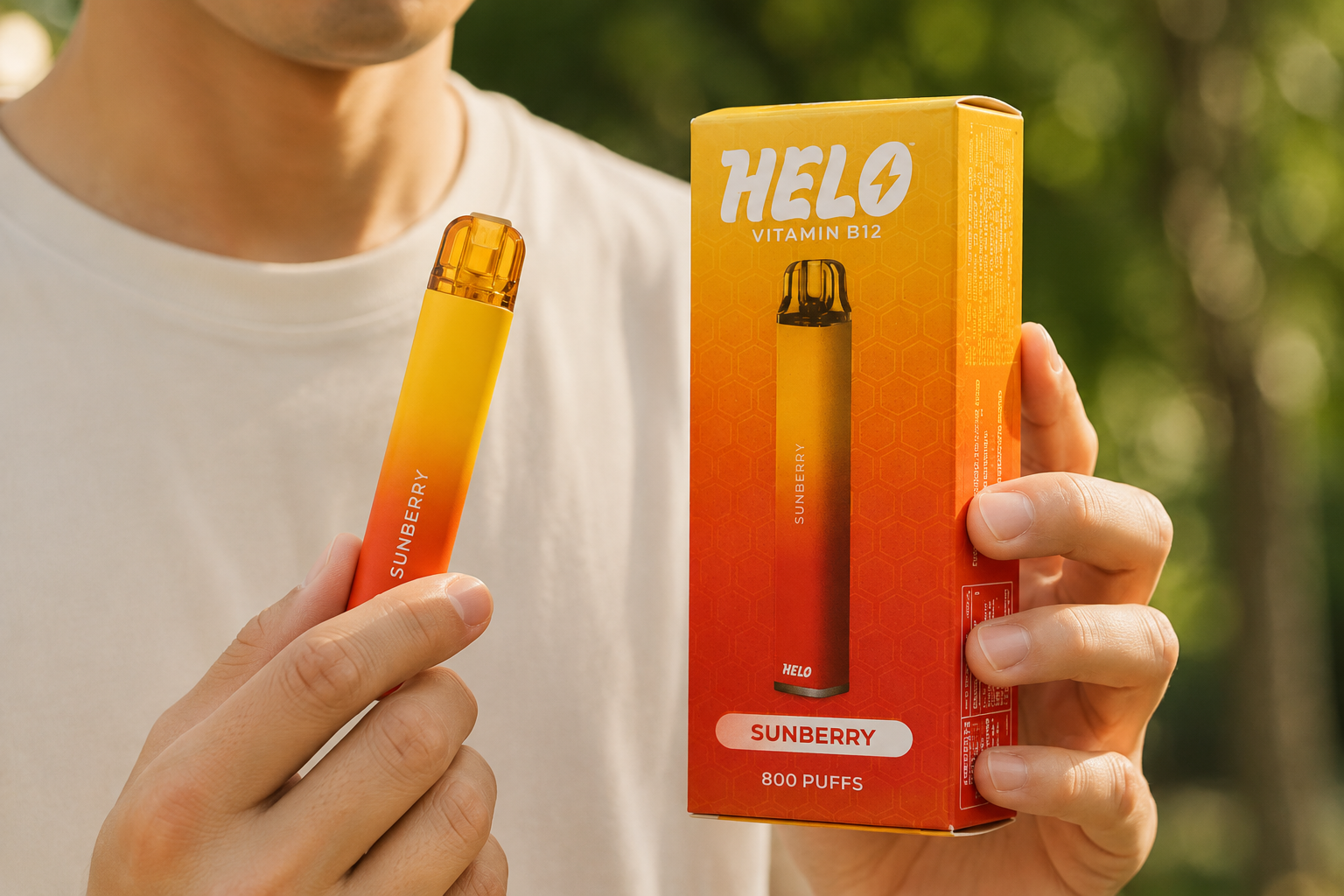
Our current HELO Vitamin B12 Diffuser page lists vitamin B12, water, organic flavor extracts, and vegetable glycerin. We sell it as a nicotine-free product. Our product page gives 5-10 puffs as a typical serving but doesn’t state the exact B12 amount for that serving.
The honest positioning is simple. Adults who already use inhaled products may view HELO as a nicotine-free ritual option. Available evidence doesn’t support framing it as a way to correct low B12, guarantee energy, or replace an established supplement route.
Before buying, read the ingredient list and ask for B12 vape testing that covers the exact vitamin form and dose, device conditions, aerosol output, and a current batch certificate of analysis. Clear documents beat hype every time.
Frequently Asked Questions About Vitamin Vapes
These quick answers cover approval, ingredient differences, and whether inhaled products can replace established B12 routes.
Are Vitamin Vapes FDA Approved?
No. Vitamin vapes aren’t FDA-approved treatments for health conditions. The FDA explains that dietary supplements must be ingested, which means an inhaled product doesn’t become a dietary supplement merely because it contains a vitamin.
Silence from the FDA doesn’t equal approval. Judge a product by its actual regulatory status and supporting evidence.
Is Vitamin B12 the Same as Vitamin E Acetate?
No. Vitamin B12 and vitamin E acetate are different compounds. The CDC linked vitamin E acetate in certain THC-containing vaping products to most cases in the EVALI outbreak.
A verified absence of vitamin E acetate removes that ingredient from consideration. It doesn’t answer questions about a B12 aerosol, its flavorings, or its heating byproducts.
Can Vitamin Vapes Replace Pills, Sublingual B12, or Injections?
Current evidence doesn’t support that swap. A genuine replacement claim would require product-specific data on dose, absorption, consistency, safety, and meaningful outcomes.
Suspected low B12 deserves medical advice. Marketing isn’t a dosing plan.
Check the Evidence Before You Try a Vitamin Vape
Vitamin vapes haven’t been proven safe or shown to deliver nutrition reliably. Controlled research demonstrates that B12 can cross through the lungs, but a heated commercial vape brings unresolved questions about aerosol chemistry, dose, and consistency.
If nutrition is the goal, stick with food or an established supplement route. If you already use inhaled products and want a nicotine-free ritual, review our HELO B12 ingredient list and 5-10-puff serving guidance, then ask for the current testing details before deciding. Our page lists B12, water, organic flavor extracts, and vegetable glycerin, but it does not state the exact B12 amount per serving. Check the evidence, ask for the latest batch documents, and make the call with the facts in front of you.
Leave a comment