
How to Quit Nicotine The Ultimate Guide by MELO Labs
The hand-to-mouth motion on autopilot. The subtle panic when your device dies. The ritual woven into your work breaks, car rides, and stress moments. If you’re stuck in that nicotine-dependance cycle, you’re not alone.
The social triggers, the daily routines, the stress. It’s all real. But here’s the truth: you can break free from nicotine without giving up everything cold turkey. This guide gives you a clear quit plan, coping tools that work, and a realistic approach to handling slips along the way.
How Quitting Nicotine Actually Works
There are two sides to nicotine dependence. First, the chemical hook. Your body is used to that hit and will demand it through physical cravings and withdrawal symptoms.
Second, the habit and ritual. The device in your hand, the flavor, the routine of stepping outside, the social cue of seeing others vape. This behavioral side is just as powerful as the chemical one.
Both are temporary and manageable. The key is ditching the “willpower-only” mindset and adopting a “plan + support” approach instead.
Why Quitting Nicotine Is Harder Than It Looks
It’s a dual challenge. You’re fighting a chemical battle and a behavioral one at the same time. The ritual attachment, the device, the flavors, the routines, the social cues, is just as powerful as the nicotine itself.
This is why “just stop” doesn’t work. It ignores half the problem. Cravings and withdrawal are normal, temporary, and manageable, but only with a plan in place.
Get Clear on Your “Why”
Before mapping out the how, get clear on the why. This is your anchor when cravings hit. What’s driving you?
Maybe it’s wanting to breathe easier and sleep better. Maybe it’s not wanting to feel dependent on a substance to get through the day. Maybe it’s clearing brain fog to focus at work or feel stronger in the gym.
Get honest about the cost. What has nicotine dependence been taking from you? Your focus, your steady mood, your sleep, your money? Write it down.
Pick Your Quit Approach and Date
First, choose your quit date [1]. Pick a day within the next 1 to 2 weeks. Not tomorrow, not “someday.” A specific, circled date on your calendar.
Next, decide your approach. Are you going cold turkey or tapering down? Do you thrive on clear, hard rules with no room for negotiation? Or do you need a gradual, step-by-step transition?
Write one simple sentence: “I am quitting nicotine on [Date].” Then share it with one supportive person. This transforms a thought into a plan.
Quit-All-at-Once Approach
This works best for people who find the mental gymnastics of tapering more stressful than just stopping, or who know from experience that “just one” leads back to regular use.
Plan for the first 72 hours. This is the peak of nicotine withdrawal. If possible, clear your schedule of major stressors. Have your craving toolkit (which we’ll build below) ready to go.
Remove your nicotine supply. Get rid of all nicotine-containing devices, pods, and e-liquids. No “just in case” stash hidden in a drawer. The goal is to create maximum friction between a craving and the action.
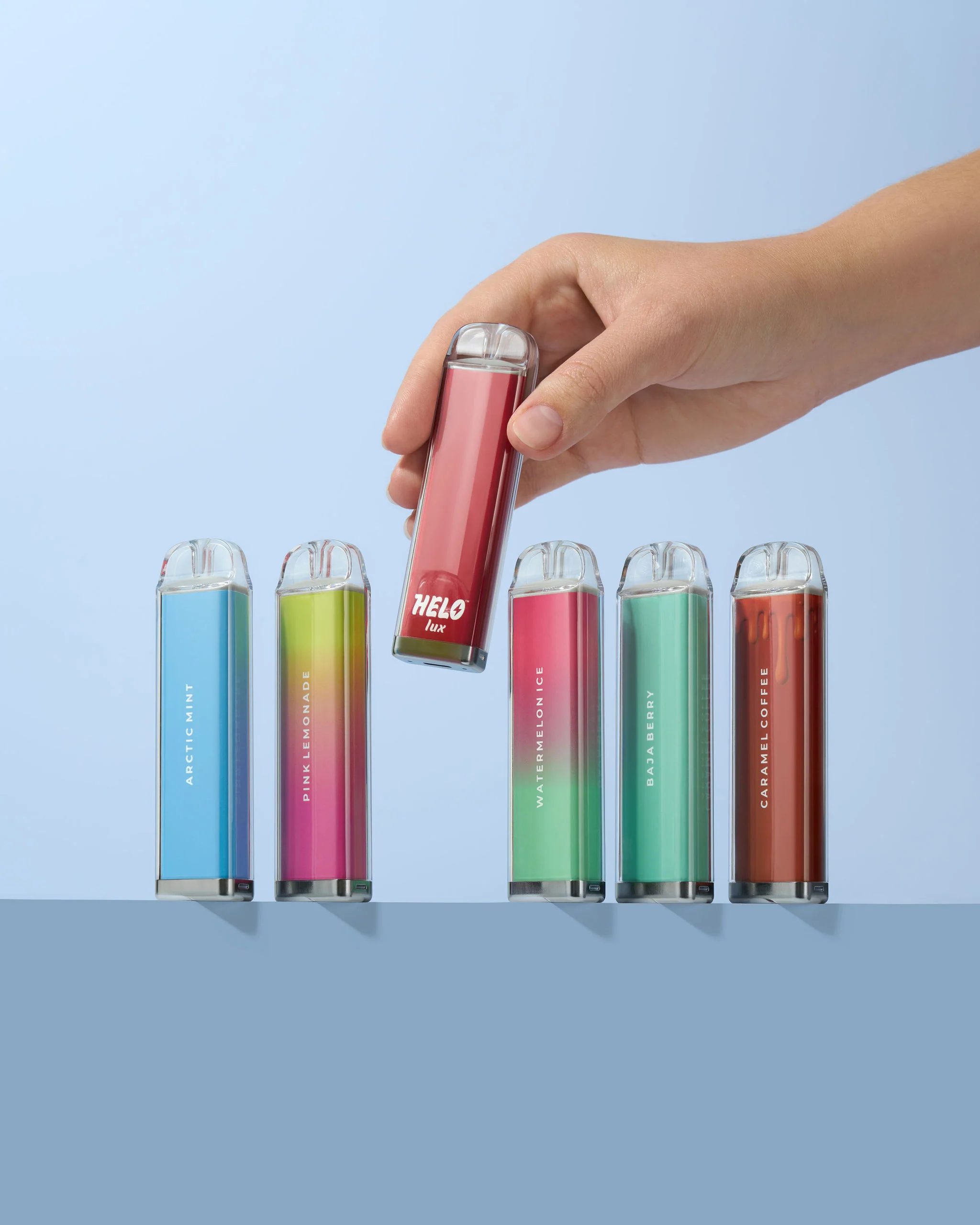
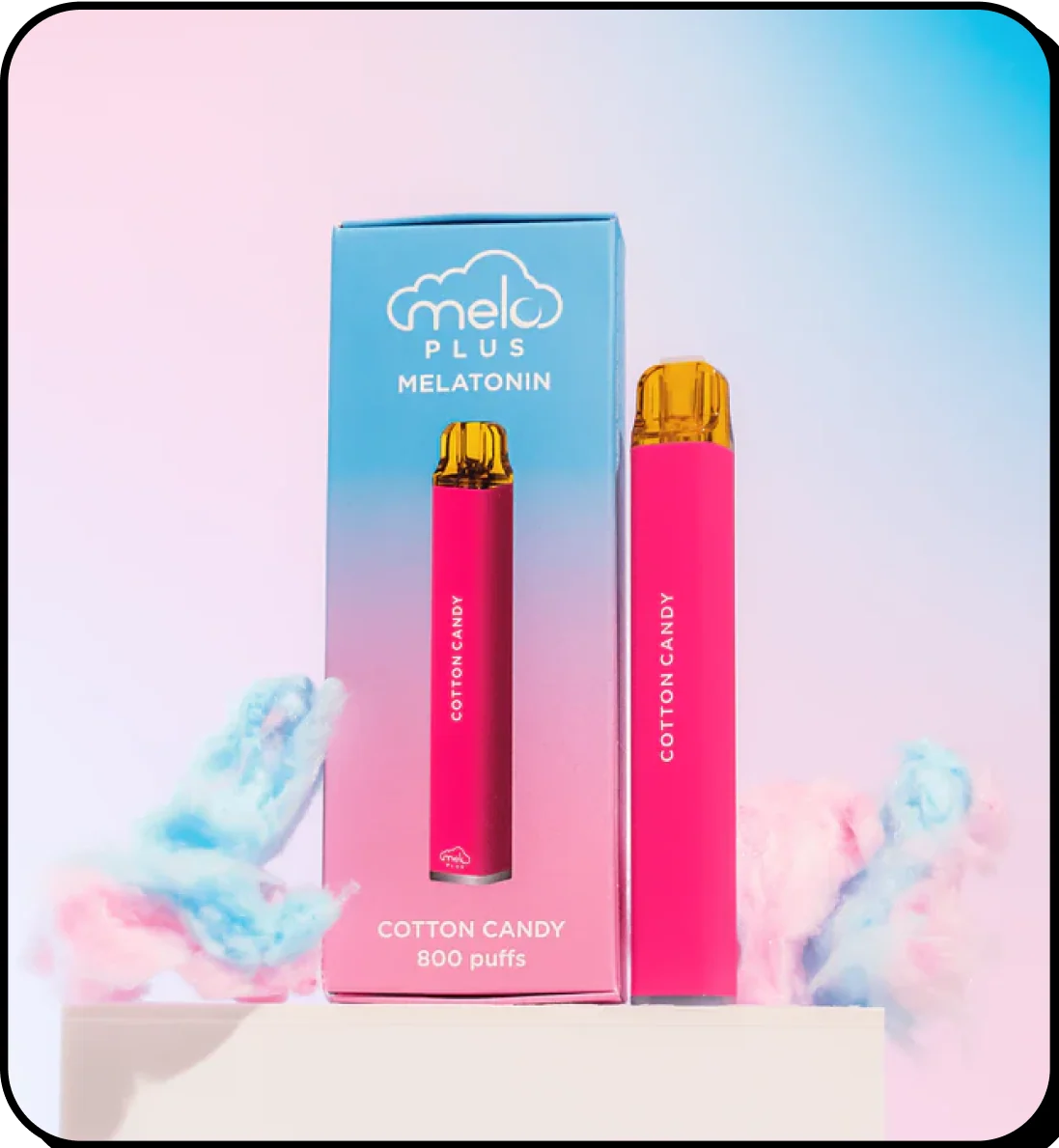
If you enjoy the ritual of vaping but want to eliminate nicotine, switching to a nicotine-free vape can help you maintain the habit while cutting the chemical dependency.
Taper-Down Approach
This is the gradual path. You systematically reduce your nicotine intake on a runway that leads to your final quit date.
Start by picking your unit of measure. Will you track the number of puffs per session, the number of sessions per day, or step down the nicotine strength (mg/ml) in your e-liquid?
Then set the schedule. Create a step-down calendar: “Week 1: 5 sessions a day. Week 2: 3 sessions. Week 3: 1 session. QUIT DAY.”
The critical part: your taper schedule isn’t an indefinite reduction. It’s a deliberate countdown to a firm Quit Date. As you step down, you can transition some of your sessions to healthy vape alternatives to ease the process while keeping the familiar ritual.
Build Your Quit Plan
Everything you set up before your quit date is what will carry you through after it. The goal is to identify your personal triggers, plan your responses, and engineer your environment for success.
Know Your Triggers and High-Risk Moments
Your triggers are the landmines on your path. The goal isn’t to avoid life but to map them so you can navigate around them. Think in categories:
-
People: certain friends you always vape with
-
Places: your car, the spot outside work, your couch
-
Emotions: stress, boredom, celebration
-
Times of Day: the morning hit, the after-meal ritual, the pre-bed wind down
Once you know your top three triggers, create a simple “When X, Then Y” plan for each:
-
“WHEN I feel stressed after work, THEN I will take a 10-minute walk.”
-
“WHEN I’m out with friends who vape, THEN I will have a nicotine-free option or a drink in my hand.”
Be honest about what’s too risky in the first 1 to 2 weeks and plan temporary avoidance if needed.
Plan for Cravings and Withdrawal Symptoms
Don’t wait for a craving to hit to figure out your response. Know what’s coming: irritability, restlessness, trouble concentrating, sleep disruption, and possibly a bigger appetite. This is normal. It’s your body adjusting, not a sign you’re failing.
Your playbook:
-
Delay. Tell yourself, “I’ll wait 10 minutes.” Often, the urge fades.
-
Distract. Text a friend, do a quick puzzle, organize something.
-
Breathe. Five deep breaths. In for four, hold for four, out for six.
-
Hydrate. Drink a full glass of cold water.
-
Move. Ten jumping jacks, stretch, walk around the block.
Some people also find that CBD gummies can help manage cravings during the withdrawal period.
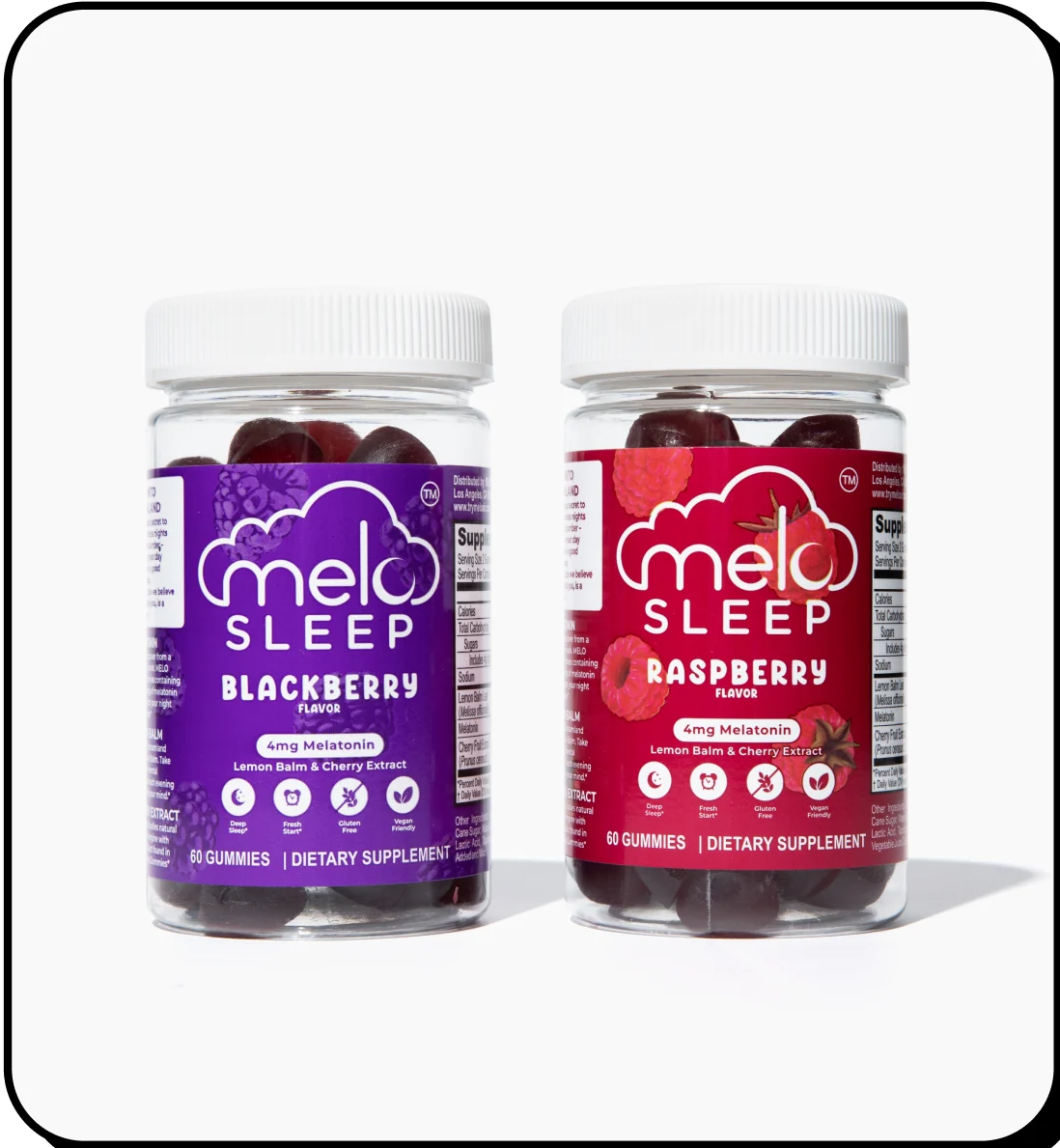
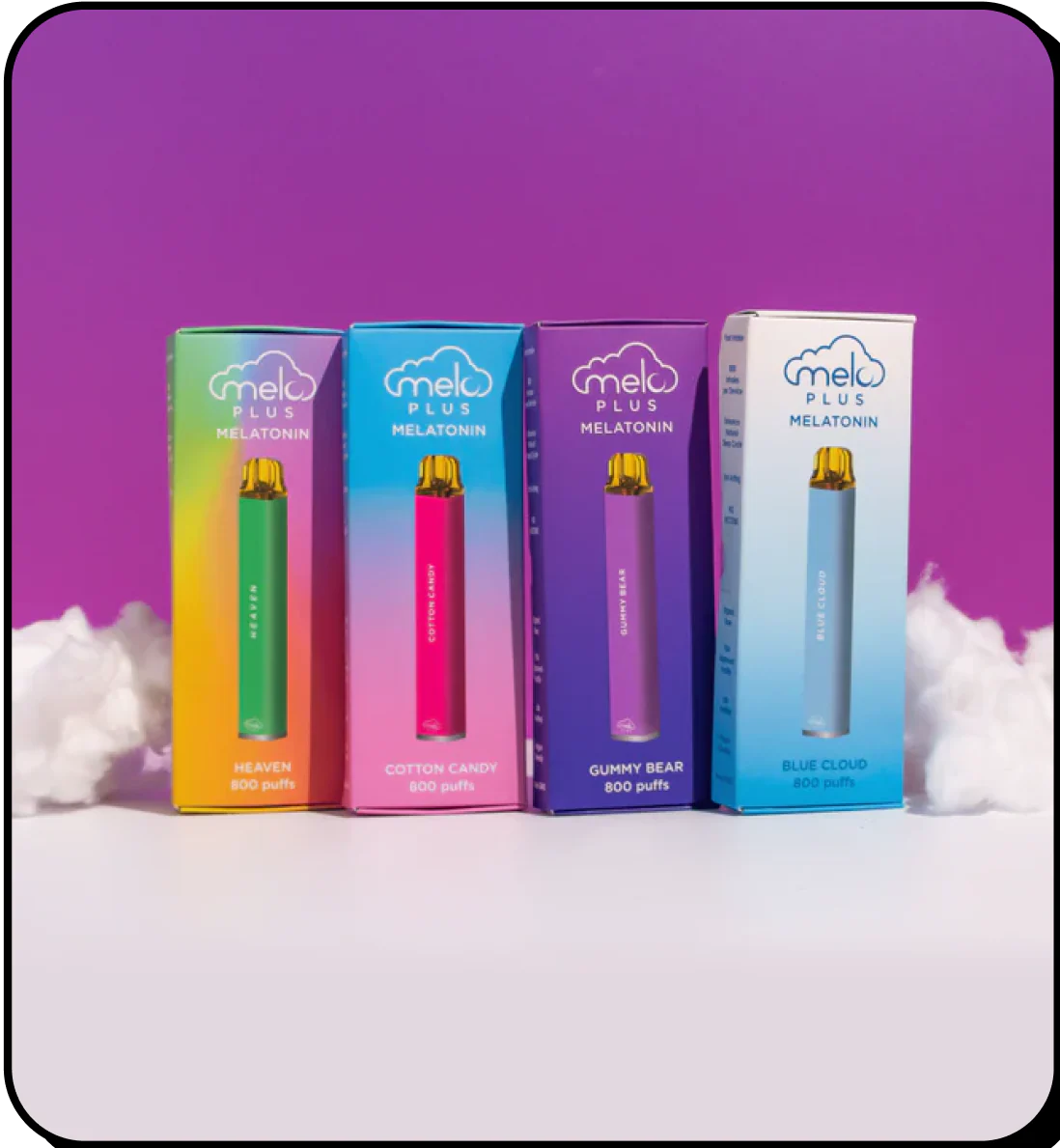
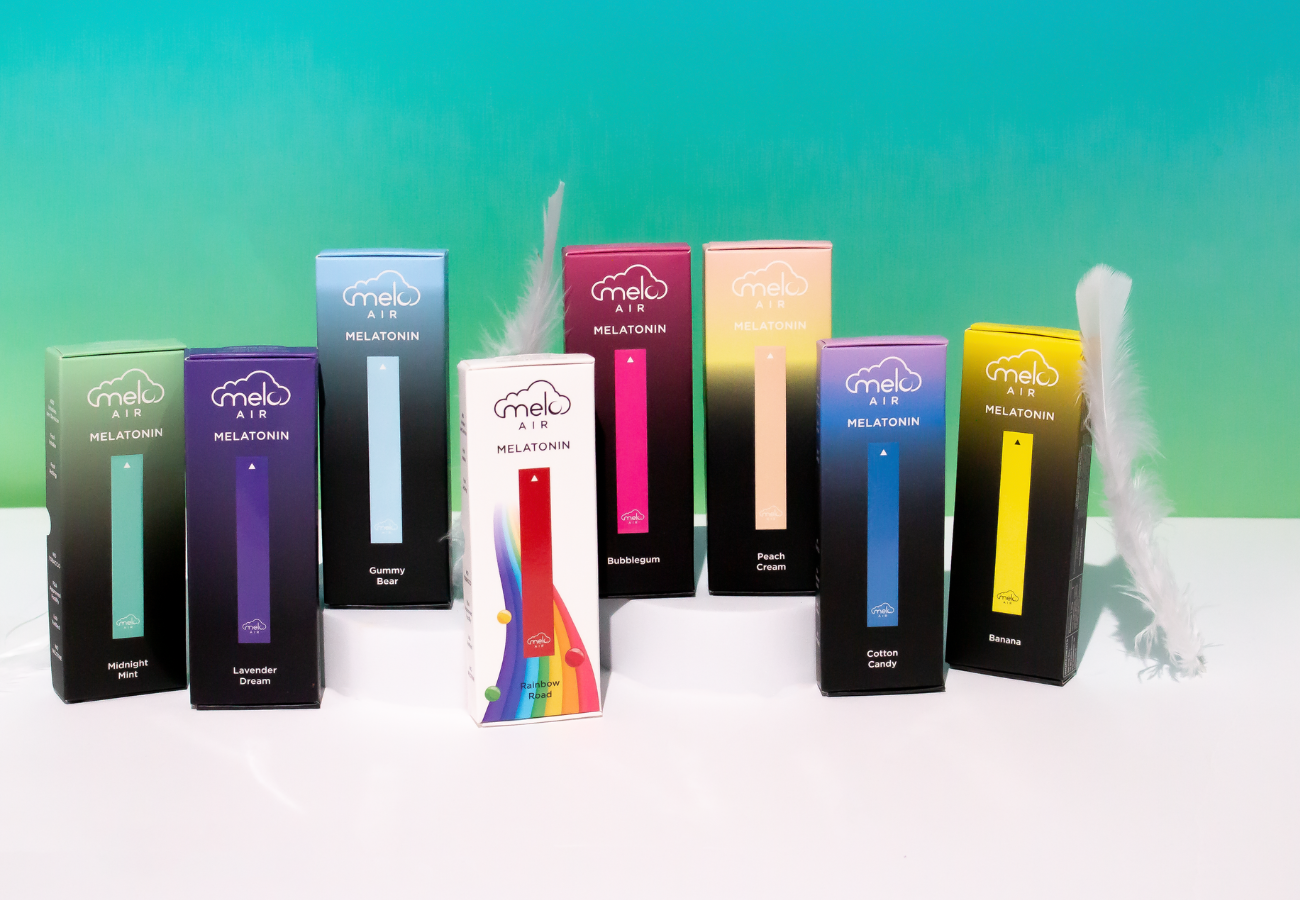
If nighttime restlessness is an issue, a melatonin diffuser can support your wind-down routine without nicotine.
Reset Your Environment
Your environment is a silent partner in your habits. Before your quit date, remove all nicotine-containing vaping gear from your home, car, bag, and workspace. No backups, no “emergency” stash.
Disrupt the routine. If you always vape on your commute, try a new podcast or audiobook. If you vape on work breaks, go to a different spot or chat with a non-vaping colleague.
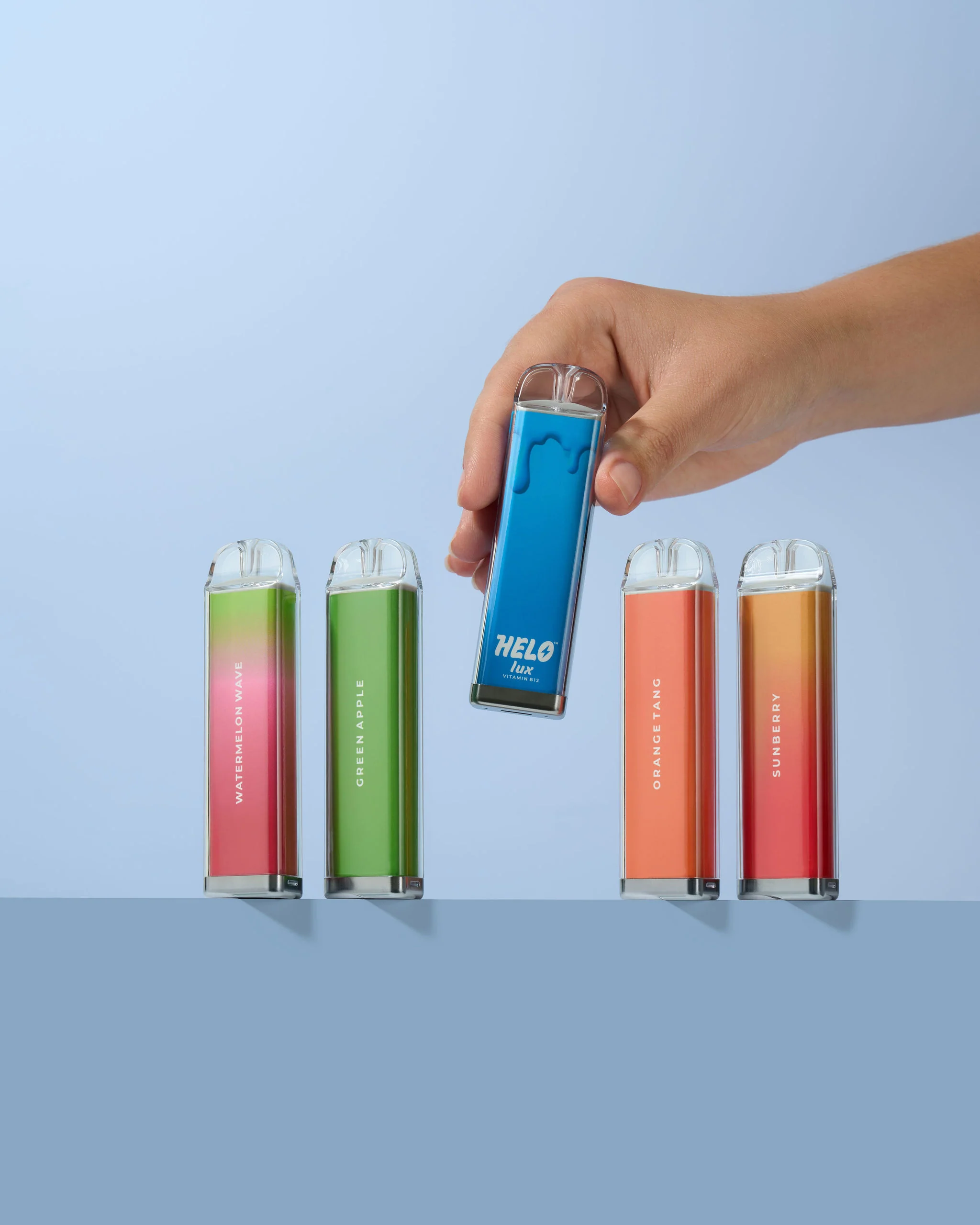
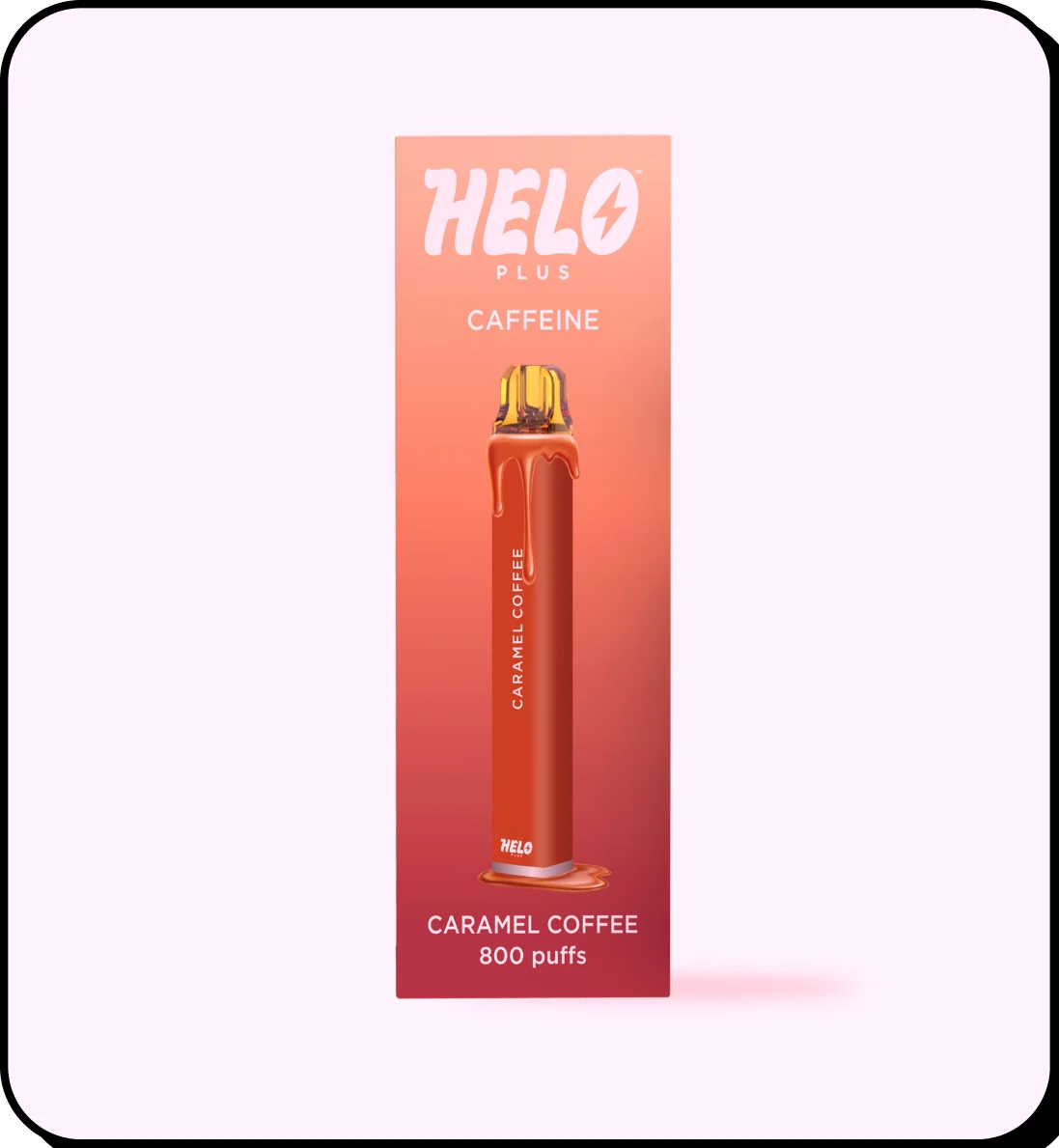
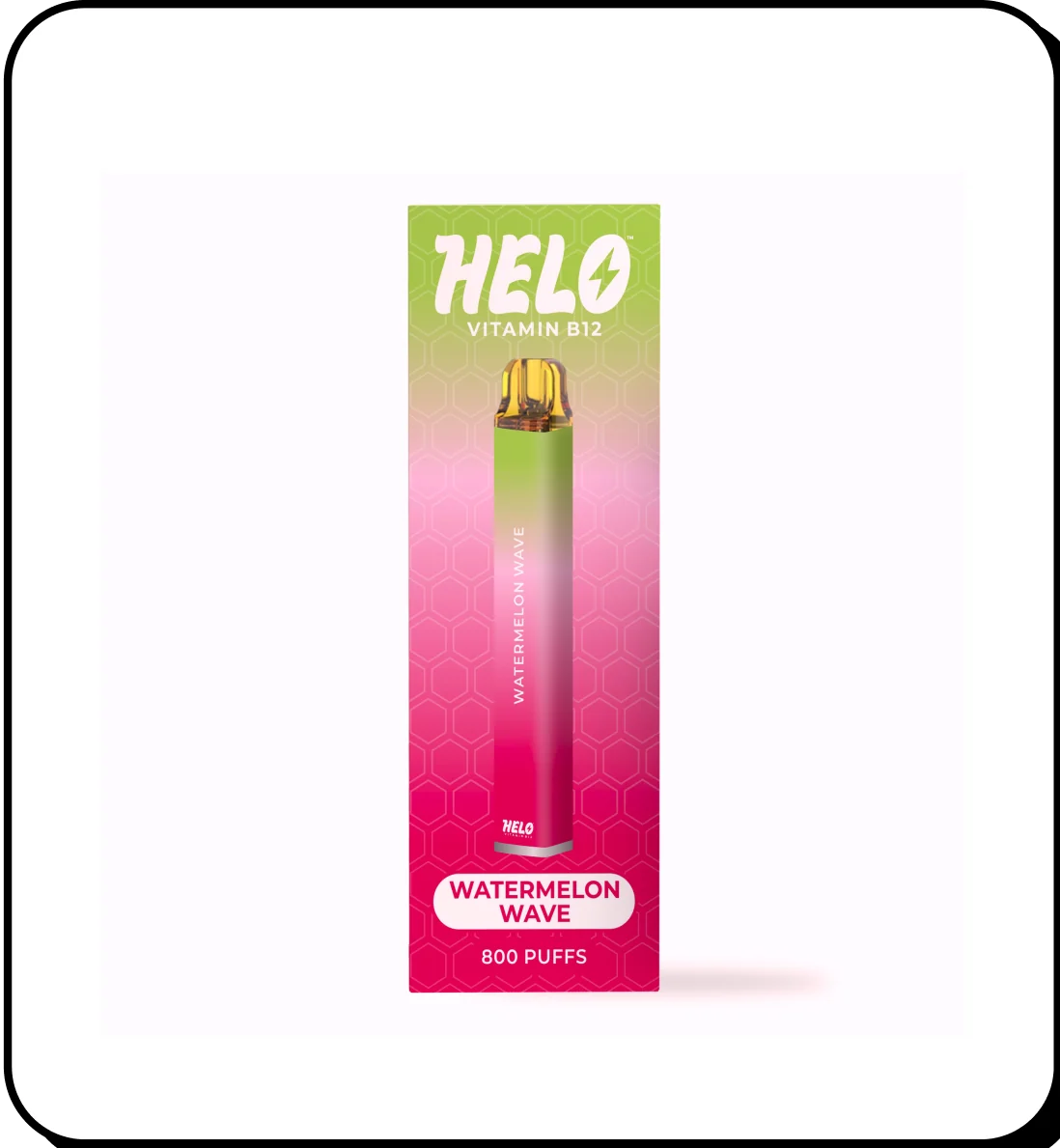
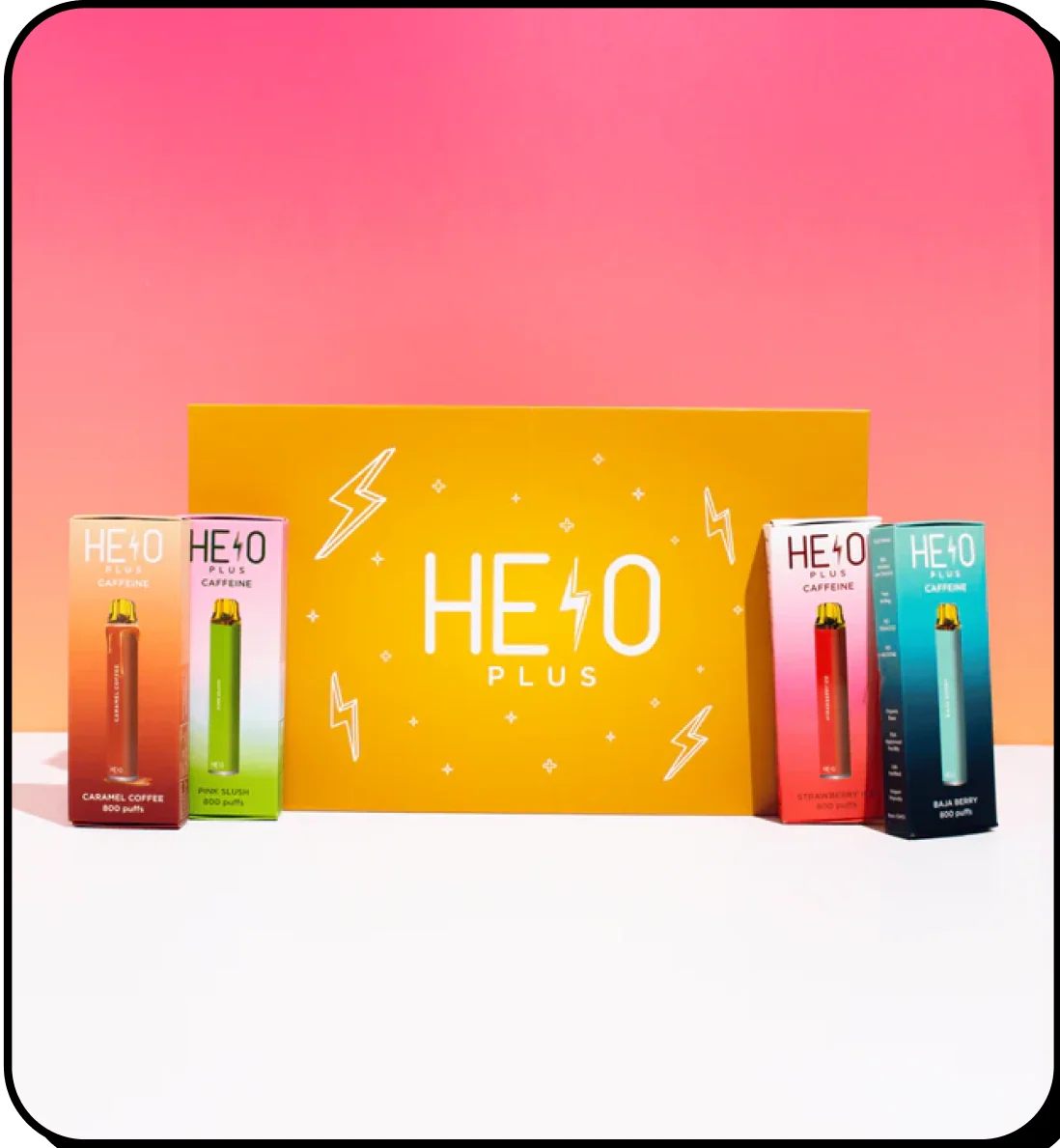
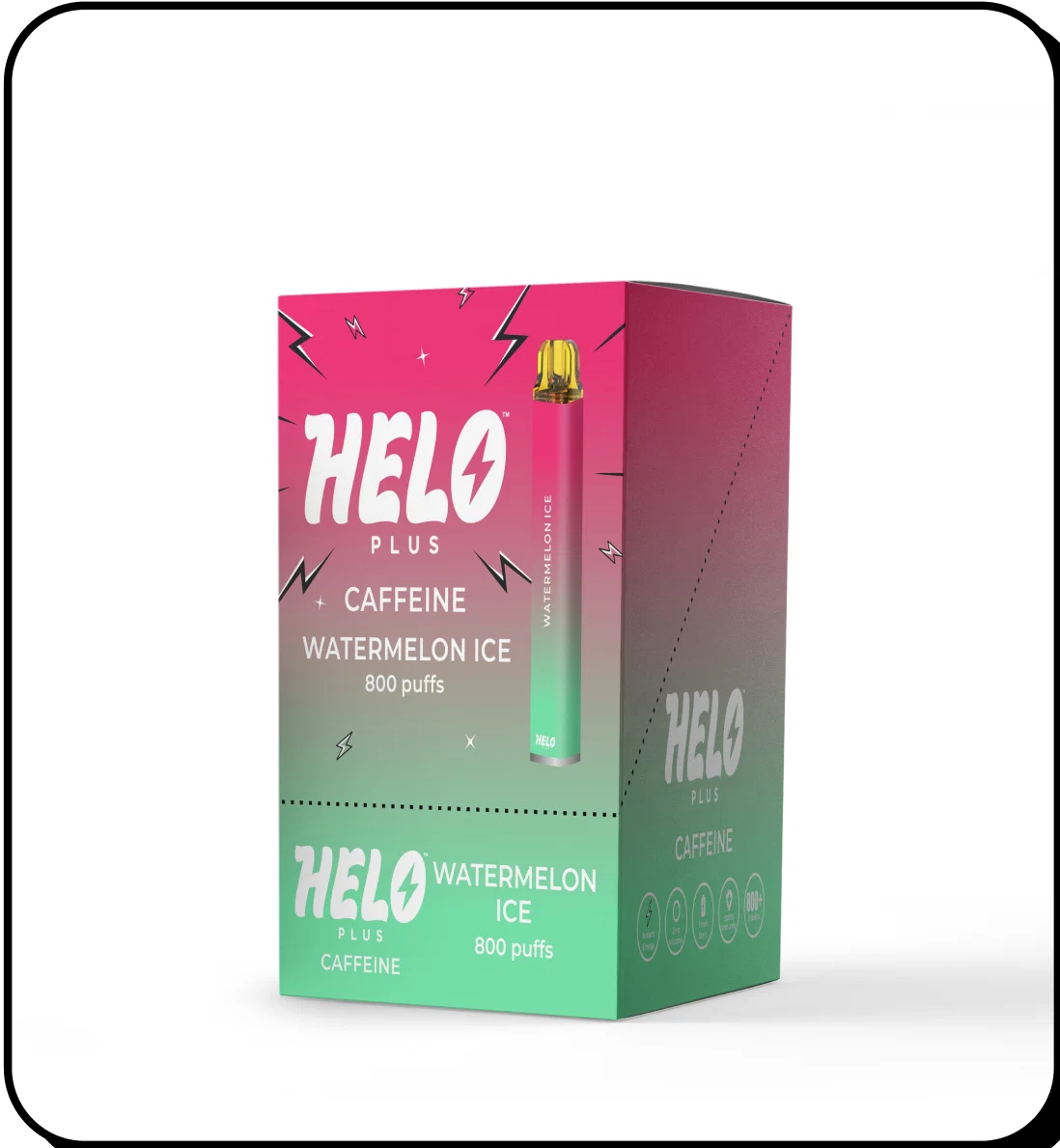
Create “hands and mouth busy” alternatives for your most frequent vape times. The morning nicotine hit with coffee? Replace it with a caffeine vape to keep the ritual while ditching the nicotine. The after-dinner habit? Brush your teeth immediately or switch to a vitamin vape.
Line Up Your Support Team
Your support system makes this significantly easier. Start by choosing at least one accountability person, someone supportive who will check in without judgment. Give them a clear task: “Can you text me every day at 4 PM to see how I’m doing?”
Have a script ready for telling others:
-
“Hey, I’m quitting nicotine. I might be a bit off my game for a week or so.”
-
“Please don’t offer me any nicotine products.”
-
“Would you mind not vaping around me for a little while?”
If you have a history of heavy use, experience strong withdrawal, or have underlying anxiety or depression, talking to a doctor is a smart move.
Ask Your People for Specific Help
Be direct with your requests: “I’ve decided to quit nicotine, and your support would mean a lot. Would you be okay if I texted you when I’m having a tough craving?”
Make boundary requests clear and kind: “Could we hang out in non-smoking spots for the next couple of weeks while I get through the hardest part?”
Have a plan for non-support. Not everyone will get it. A simple response like, “This is important to me, so I’m going to stick with it,” is enough. It may also mean temporarily limiting time with certain people.
Use Professional and Structured Support
There are solid resources built for this challenge, and many are free. A quick chat with a doctor can open up options like cessation medications, which evidence shows can be effective. If stress is your main trigger, consider behavioral support like counseling or a quit line.
Consider Nicotine Replacement or Medication
Nicotine Replacement Therapy (NRT) or prescription medications aren’t cheating. They’re tools to manage the chemical battle so you can focus on breaking the habit.
-
How They Help: They control withdrawal symptoms [2], reducing intense cravings and slip-ups.
-
Use Them Right: Consistent use is key, not “only when desperate.” If you use a patch, wear it as directed. If you use gum, use it on a schedule to keep nicotine levels steady.
-
Team Up With a Pro: Especially for prescription options like varenicline, work with a healthcare professional to choose the right option for your situation.
Nicotine Replacement Basics
NRT (the patch, gum, or lozenge) works by giving your body a steady, low dose of nicotine without the other chemicals in vape aerosol. It reduces withdrawal intensity and smooths out craving peaks.
The most important rule is consistent use. If you choose a 24-hour patch, put it on in the morning and leave it on. If you use gum, use it on a pre-set schedule rather than only in crisis mode.
Have a step-down plan. NRT isn’t meant for forever. Start with the recommended dose and plan to step down to a lower strength after a few weeks, with the goal of eventually stopping NRT entirely.
Prescription Options and Who They May Fit
Medications like varenicline (Chantix) or bupropion can be effective for heavier nicotine users. They work differently than NRT by targeting the brain’s nicotine receptors, reducing both the pleasure of nicotine use and the severity of cravings.
If you go this route, plan to check in with your provider regularly. If side effects come up or the plan isn’t working, the answer isn’t to quit the medication. It’s to adjust the approach. A dosage tweak or timing change can make a significant difference.
Choosing a Safer Alternative
If you’re quitting nicotine but want to keep the vaping ritual, it’s worth understanding what makes one option safer than another. Not all nicotine-free vapes are created equal. Look for products with transparent ingredient lists and third-party testing. You can learn more about what makes a vape safer and review the safety and side effects of nicotine-free options before making a decision.
If you’re ready to make the switch, here’s a guide on where to buy nicotine-free vapes from reputable sources.
What to Expect After You Stop
The journey has phases. The early weeks are driven by physical symptoms and raw cravings, which gradually decrease.
Set realistic milestones: getting through the first 24 hours, the 72-hour peak, the first week, two weeks, a month, three months.
Track your progress with a basic log in your phone’s notes. A quick sentence at the end of each day: “3 cravings, all after coffee. Went for a walk each time. Slept better.” This gives you data on your own patterns and progress.
The First 24 to 72 Hours
This is the peak. Plan your quit-day schedule to stay busy and out of trigger zones. Have your coping actions written down where you can see them: the 10-minute delay, the cold water, the breathing exercise.
Decide in advance how you’ll respond to the “just one hit” thought. That thought will come. Have your answer ready: “That’s the nicotine talking, not me” or “One hit resets the clock.”
If you still want something in your hand, a nicotine-free option from MELO can bridge the gap during these critical first days.
Weeks 1 to 2
Cravings still show up, but they come in waves that get shorter and less intense. This is the time to refine your trigger plan based on real experience. Your pre-quit guesses about what would be hard? Test them. Maybe the after-lunch craving was worse than expected, but the drive home was easier.
When someone offers nicotine, your line is: “No thanks, I don’t use nicotine.” Say it even if it feels premature. Every time you choose the walk, the gum, or the deep breath instead, you’re reinforcing a new identity.
Weeks 3 to 4
As you move through the first month, cravings continue to decrease in intensity. What felt urgent in week one becomes manageable by week four.
Surprise urges will still pop up. They don’t mean you’re failing. They mean your brain is finding old connections and trying to use them. Acknowledge the urge, use your playbook, and move on.
If You Slip, Recover Fast
A slip is not a failure. It’s a common event, especially under stress or in unexpected situations. If it happens, use this reset protocol:
-
Stop immediately. Put the nicotine product down.
-
Remove access. Get rid of it or get away from it.
-
Analyze, don’t agonize. Ask yourself: “What triggered that? Was I stressed? Bored? With a certain person?”
-
Update your plan. That trigger revealed a gap. Add a new “When X, Then Y” strategy for that situation.
A slip is data. Valuable information for next time, not a reason to abandon the plan.
Benefits That Reinforce Staying Quit
The rewards start quickly. Short-term, you’ll notice reduced cravings, more freedom, better stamina, more stable moods, and clearer skin.
Anchor the money saved to a specific goal. It’s not just “saving money.” It’s “$80 this month going toward concert tickets” or redirecting your vape budget to functional alternatives that support your health instead of working against it.
Your Nicotine-Free Plan Starts Now
The formula: choose a date, build a plan around your triggers, use support from friends, professionals, or helpful tools, and give yourself grace when it gets hard.
If having a familiar ritual makes the transition easier, MELO Labs offers nicotine-free vapes, caffeine diffusers, melatonin options, and vitamin vapes designed to support your transition without the nicotine.
Your next step: Pick your Quit Date. Open your calendar, look at the next 1 to 2 weeks, and circle a day. The rest of the plan builds from there.
Leave a comment